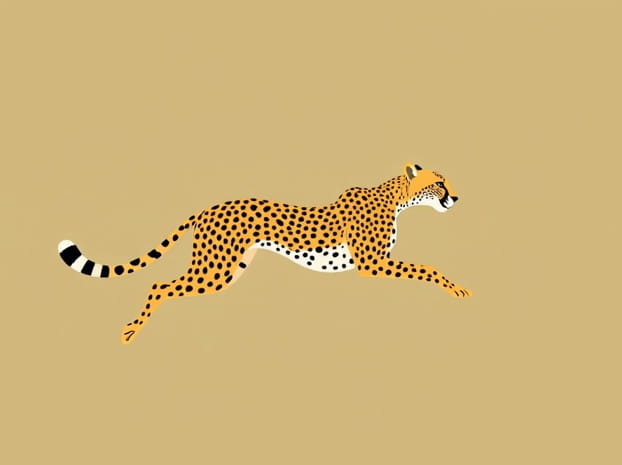
Gazelle Outrunning A Cheetah
In the vast African savannas, moments of life and death unfold in the blink of an eye, often between predator and prey. Among the most dramatic of these encounters is the chase between a cheetah and a gazelle, where speed, agility, and survival instincts are put to the ultimate test. A gazelle outrunning a cheetah is not just a display of physical prowess, but a story of evolution, adaptation, and resilience. Observing such an event offers a glimpse into the natural world’s raw intensity, highlighting how every movement, decision, and burst of energy can determine life or death. These chases captivate scientists, wildlife photographers, and nature enthusiasts alike, providing insights into predator-prey dynamics that have developed over millennia.
Understanding the Predator The Cheetah
The cheetah, known scientifically asAcinonyx jubatus, is the fastest land animal on Earth. With a top speed of up to 70 miles per hour, it is built for short, explosive sprints. Its lightweight frame, flexible spine, and powerful leg muscles enable rapid acceleration, while large nostrils and lungs facilitate oxygen intake during high-speed chases. Despite these advantages, cheetahs face limitations. They can maintain their maximum speed for only 20 to 30 seconds before overheating, and precision in timing and technique is crucial. A cheetah’s hunt is a careful balance of stealth, strategy, and explosive power.
Cheetah Hunting Techniques
- StalkingCheetahs approach their prey quietly, using tall grasses and natural terrain to remain unseen until they are within striking distance.
- AccelerationOnce the chase begins, cheetahs rely on short bursts of incredible speed, closing the distance between themselves and the prey.
- Trip and CaptureCheetahs often aim to trip the prey by swiping at its legs with their paws or lunging at the body, reducing its chance to escape.
The Prey The Gazelle
Gazelles are small to medium-sized antelopes known for their speed, agility, and keen senses. Species such as the Thomson’s gazelle can reach speeds up to 50 miles per hour, and their ability to perform quick, high jumps, known as stotting, helps them evade predators. Their survival relies on sharp eyesight, rapid reflexes, and a deep understanding of their environment. A gazelle outrunning a cheetah is an extraordinary display of evolution in motion, where every muscle, tendon, and instinct works together to secure life.
Gazelle Evasion Strategies
- Sudden Changes in DirectionGazelles make sharp turns and zigzag patterns, which can throw off a cheetah’s chase trajectory.
- StottingJumping high into the air signals health and alertness to predators, potentially discouraging pursuit.
- Herd BehaviorStaying in groups helps reduce individual risk, as predators can be confused or forced to choose a target.
The Chase A Ballet of Life and Death
When a cheetah locks onto a gazelle, the landscape becomes a stage for an intricate ballet of speed, agility, and instinct. The gazelle must constantly anticipate the cheetah’s movements while finding open terrain to accelerate. Every burst of speed is carefully measured, as both predator and prey face physiological limits. The cheetah relies on short sprints, while the gazelle uses sustained bursts and agile maneuvers. Environmental features, such as rocks, bushes, and terrain elevation, play critical roles, offering both obstacles and opportunities for escape.
Factors Influencing Success
- Distance and TerrainOpen plains favor cheetahs’ straight-line speed, while uneven or bushy terrain gives gazelles a better chance to evade.
- Energy ReservesBoth animals must manage stamina; a cheetah cannot chase for long periods, and a gazelle must conserve energy for the final escape burst.
- ExperienceOlder, more experienced gazelles often make smarter evasive maneuvers, while younger cheetahs might miscalculate timing.
Evolutionary Arms Race
The interaction between cheetahs and gazelles exemplifies an evolutionary arms race. Over thousands of years, cheetahs have evolved incredible speed and precision to catch prey, while gazelles have developed agility, alertness, and herd strategies to survive. This continuous cycle of adaptation highlights the intricate balance of ecosystems, where predators and prey exert selective pressures on each other. Each successful chase or escape contributes to the genetic makeup of future generations, ensuring survival traits are passed down.
Role in the Ecosystem
Chases between cheetahs and gazelles are more than dramatic displays they are essential for ecological balance. Predation regulates gazelle populations, preventing overgrazing, while healthy gazelles contribute to the spread of seeds and vegetation growth. Cheetahs, as apex predators, maintain the health of the ecosystem by culling weaker or sick individuals. A gazelle outrunning a cheetah demonstrates not only individual survival but also the strength and resilience of the species within its ecosystem.
Human Observation and Impact
Wildlife photographers, researchers, and ecotourists are often drawn to witness these high-stakes chases. Observing a gazelle outrunning a cheetah provides valuable data for understanding animal behavior, predator-prey dynamics, and habitat use. However, human presence can also impact these interactions. Conservationists emphasize minimal disturbance and ethical observation practices to ensure that natural behaviors are not altered. Protected reserves and national parks offer safe environments where these incredible interactions can be studied and appreciated without harming the wildlife.
Lessons from the Chase
- AdaptabilityThe gazelle’s ability to change direction, speed, and tactics teaches valuable lessons about resilience and adaptability in the face of threats.
- Energy ManagementBoth predator and prey must manage energy wisely, reflecting strategies that can be applied metaphorically to human challenges.
- Balance of NatureEach successful escape or capture reminds us of the delicate balance that sustains ecosystems.
The sight of a gazelle outrunning a cheetah is a powerful reminder of the beauty, tension, and complexity of the natural world. It is a moment where speed, strategy, and instinct converge, showcasing the remarkable adaptations of both predator and prey. These chases are not just thrilling spectacles they are vital ecological interactions that shape the survival and evolution of species. Understanding and appreciating these events fosters respect for wildlife and highlights the importance of conserving habitats where such dramatic life-and-death encounters continue to unfold. Observing a gazelle escape a cheetah serves as an awe-inspiring testament to the resilience of life and the intricate dance that defines the African savanna.