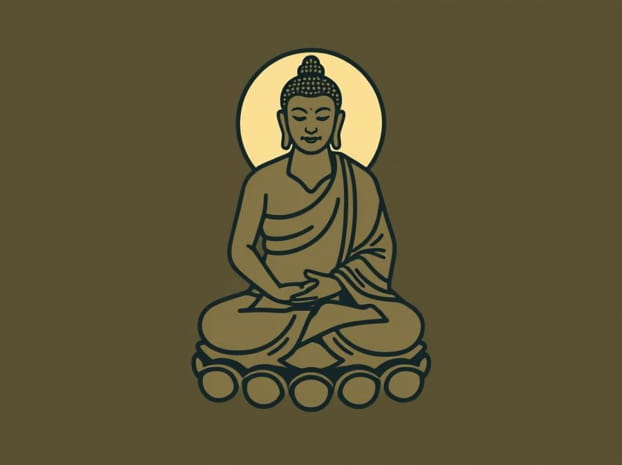
Gautam Buddha And Bodhidharma
Gautam Buddha and Bodhidharma are two of the most influential figures in the history of Eastern philosophy and spiritual practice, each contributing uniquely to the development of Buddhism. While Gautam Buddha is recognized as the founder of Buddhism and the teacher of the path to enlightenment, Bodhidharma is celebrated as the transmitter of Chan (Zen) Buddhism to China and as a key figure in the development of martial arts traditions. Understanding their lives, teachings, and legacies provides insight into the evolution of Buddhist thought and practice across different regions and eras.
Gautam Buddha Life and Teachings
Gautam Buddha, originally known as Siddhartha Gautama, was born in Lumbini, in present-day Nepal, around the 5th to 4th century BCE. He was a prince of the Shakya clan and lived a life of luxury until he encountered the realities of suffering, sickness, old age, and death. These experiences prompted him to renounce worldly life in search of spiritual understanding. After years of rigorous meditation and ascetic practice, Siddhartha attained enlightenment under the Bodhi tree in Bodh Gaya, becoming the Buddha, which means the awakened one.
Core Teachings of Gautam Buddha
The teachings of Gautam Buddha focus on understanding the nature of suffering and the path to liberation. Central to his philosophy are the Four Noble Truths
- The Truth of Suffering (Dukkha)Life inherently involves suffering and dissatisfaction.
- The Cause of Suffering (Samudaya)Suffering arises from attachment, desire, and ignorance.
- The Cessation of Suffering (Nirodha)It is possible to end suffering by eliminating attachment and desire.
- The Path to the Cessation of Suffering (Magga)The Eightfold Path provides a practical guide to ethical conduct, mental discipline, and wisdom.
These teachings emphasize mindfulness, ethical living, compassion, and meditation as essential practices for achieving enlightenment and inner peace.
Bodhidharma Life and Contributions
Bodhidharma is a semi-legendary figure who is traditionally credited with bringing Chan Buddhism from India to China during the 5th or 6th century CE. According to historical accounts and legends, Bodhidharma was a monk who emphasized meditation and direct experience of reality over scholarly study. He is also associated with the Shaolin Monastery, where he is said to have introduced physical training exercises that eventually contributed to the development of Shaolin martial arts. Bodhidharma’s approach to Buddhism focused on inner awakening, meditation, and the transmission of insight beyond words and texts.
Teachings of Bodhidharma
Bodhidharma’s teachings centered around meditation (dhyana) and the direct experience of enlightenment. Key principles include
- Meditative PracticeBodhidharma emphasized sustained meditation to cultivate awareness and insight.
- Direct TransmissionTrue understanding cannot be fully conveyed through scriptures alone but is realized through direct personal experience.
- Mind-to-Mind TeachingBodhidharma advocated a teaching method that transcends words, often summarized in the Zen phrase a special transmission outside the scriptures.
- Discipline and FocusBodhidharma stressed rigorous self-discipline, both physically and mentally, as essential for spiritual progress.
Connection Between Gautam Buddha and Bodhidharma
While Gautam Buddha and Bodhidharma lived centuries apart, their teachings are deeply interconnected. Gautam Buddha laid the foundation of Buddhist philosophy, establishing principles of meditation, ethical conduct, and insight into the nature of reality. Bodhidharma later transmitted these principles to China, adapting them to new cultural and philosophical contexts. By emphasizing meditation and direct experience, Bodhidharma preserved the essence of Buddha’s teachings while fostering the development of Chan Buddhism, which later influenced Zen traditions in Japan, Korea, and beyond.
Influence on Buddhism and Spiritual Practice
The impact of both Gautam Buddha and Bodhidharma is evident across various Buddhist traditions. Gautam Buddha’s teachings form the core of all Buddhist schools, offering a framework for ethical living, meditation, and liberation. Bodhidharma’s contributions, particularly in Chan and Zen Buddhism, emphasized the importance of personal insight, meditation, and the integration of physical discipline into spiritual practice. Together, they illustrate the continuity and adaptability of Buddhist teachings over time and across cultures.
Legacy and Cultural Significance
The legacies of Gautam Buddha and Bodhidharma extend beyond religious instruction to cultural, philosophical, and artistic spheres. Gautam Buddha’s life inspired art, literature, and rituals throughout Asia and the world. Bodhidharma’s life and teachings influenced Chinese culture, Zen aesthetics, martial arts, and monastic discipline. Both figures continue to inspire millions of people in their pursuit of mindfulness, self-awareness, and spiritual awakening.
Modern Relevance
Today, the teachings of Gautam Buddha and Bodhidharma remain highly relevant. Meditation practices derived from their traditions are widely used for mental health, stress reduction, and personal growth. Ethical principles rooted in Buddhist philosophy guide contemporary discussions on compassion, non-violence, and social responsibility. Their emphasis on direct experience, self-discipline, and awareness continues to resonate with spiritual seekers, scholars, and practitioners around the world.
Lessons from Their Lives
- Commitment to personal transformation and inner growth.
- The importance of meditation and mindfulness in understanding reality.
- Adaptability of spiritual teachings across cultural and historical contexts.
- Integration of ethical conduct, discipline, and insight for holistic development.
Gautam Buddha and Bodhidharma are central figures in the history of Buddhism, each contributing uniquely to the spiritual landscape of Asia and the world. Gautam Buddha established the core principles of Buddhism, providing a path to enlightenment through ethical living, meditation, and wisdom. Bodhidharma transmitted these teachings to China, emphasizing meditation, direct experience, and rigorous discipline, which shaped the development of Chan and Zen Buddhism. Together, their lives and teachings continue to inspire individuals seeking spiritual insight, mindfulness, and personal transformation, demonstrating the enduring relevance of their wisdom in both historical and contemporary contexts.