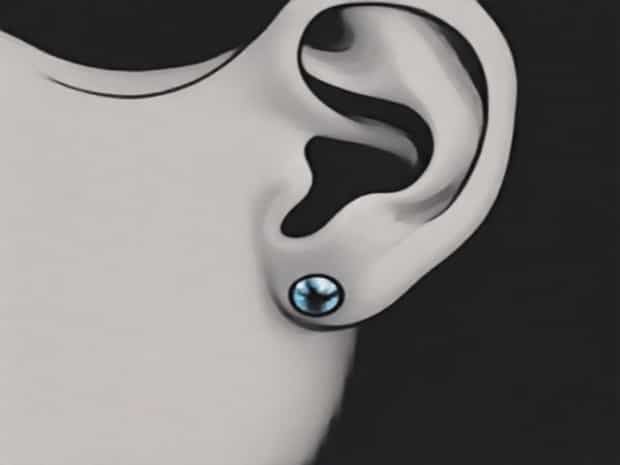
Gauge For Lobe Piercing
Choosing the right gauge for a lobe piercing is a crucial step for anyone looking to start or expand their ear jewelry collection. The gauge size determines not only the appearance of the piercing but also how the earlobe will heal and how versatile it will be for different types of earrings. Many people underestimate the importance of selecting the correct gauge, which can lead to discomfort, prolonged healing, or even the need to downsize or stretch later on. Understanding gauge measurements, healing considerations, and styling options is key to making informed decisions about lobe piercings.
Understanding Lobe Piercing Gauges
A gauge in piercing refers to the thickness of the jewelry that goes through the piercing hole. Lobe piercings usually start with smaller gauges, as the tissue in the earlobe is soft and heals relatively quickly compared to other parts of the ear. The gauge size affects not only the fit of the jewelry but also the potential for future stretching. For example, common starting gauges for earlobe piercings range from 18G to 20G, which are thin and suitable for standard studs.
Common Gauge Sizes for Lobe Piercings
Knowing the typical sizes helps you choose the right jewelry
- 20 Gauge (0.8mm)Often used for first-time piercings, very thin and easy to heal.
- 18 Gauge (1.0mm)Slightly thicker, more durable, and ideal for everyday studs or small hoops.
- 16 Gauge (1.2mm)Used for those considering minor stretching in the future or larger stud options.
- 14 Gauge (1.6mm) and aboveLess common for standard lobe piercings unless intentionally planning larger jewelry or plugs.
Factors to Consider When Choosing a Gauge
Selecting the right gauge involves more than just appearance. Several factors influence the choice of gauge for a lobe piercing
- Healing TimeThinner gauges generally heal faster, while thicker gauges may require longer healing periods.
- Jewelry OptionsSmaller gauges allow for delicate studs and hoops, while larger gauges accommodate tunnels, plugs, and statement pieces.
- ComfortA gauge that is too thick initially can cause discomfort or even tearing, whereas a gauge that is too thin may feel flimsy or bend easily.
- Future StretchingIf you plan to stretch your lobes, starting with a slightly thicker gauge can reduce the number of stretches needed over time.
Gauge Measurement Systems
There are two main systems for measuring gauges the American Wire Gauge (AWG) system and the metric system. In the AWG system, a higher number indicates a thinner piercing, while a lower number means a thicker gauge. For example, 20G is thinner than 18G. In the metric system, measurements are expressed in millimeters, with larger numbers representing thicker jewelry. Understanding both systems is important when shopping for jewelry or consulting with a professional piercer, as not all brands use the same measurement standard.
Healing and Aftercare Considerations
The thickness of your jewelry plays a significant role in how your piercing heals. A thinner gauge like 20G may cause less tissue trauma initially, leading to faster healing and fewer complications. However, very thin jewelry can sometimes bend or snag easily. A thicker gauge may be sturdier and allow for a wider range of jewelry, but it may take longer for the tissue to adapt. Regardless of gauge, proper aftercare, including cleaning with saline solution and avoiding unnecessary touching, is critical to prevent infections and promote smooth healing.
When to Stretch Your Lobe Piercing
Stretching refers to gradually increasing the gauge of a piercing to accommodate larger jewelry. Not all lobe piercings need stretching, but those who want tunnels, plugs, or larger statement pieces may start with 16G or 14G to make future stretching easier. It is important to stretch slowly and safely, typically increasing by one gauge at a time and allowing ample healing between stretches. Overstretching too quickly can lead to tearing, scarring, or permanent damage to the lobe.
Jewelry Types by Gauge
The gauge of your lobe piercing determines which types of jewelry can be comfortably worn. Some options include
- StudsSmall, delicate pieces ideal for 18G to 20G piercings.
- HoopsAvailable in multiple gauges; smaller hoops fit thin gauges, while thicker hoops require a sturdier gauge.
- Plugs and TunnelsRequire larger gauges, typically 14G or thicker, and often used after stretching.
- Dangle EarringsCan be worn on both thin and thicker gauges depending on the design and earlobe strength.
Tips for Selecting the Right Gauge
Choosing the correct gauge for a lobe piercing requires careful consideration and planning. Here are some helpful tips
- Consult a professional piercer for advice based on your ear anatomy and lifestyle.
- Start with a standard gauge (18G or 20G) if it’s your first piercing to minimize discomfort and healing time.
- Consider long-term jewelry plans and potential stretching before choosing the initial gauge.
- Always select high-quality materials like surgical steel, titanium, or gold to reduce irritation and allergic reactions.
Common Mistakes to Avoid
Many people make mistakes when selecting a gauge, which can affect healing and appearance. Common errors include
- Choosing too thick a gauge initially, leading to pain, swelling, or tearing.
- Ignoring healing guidelines and changing jewelry too early.
- Using low-quality jewelry that can cause allergic reactions or infection.
- Overstretching without proper intervals, causing permanent damage to the earlobe.
Choosing the right gauge for a lobe piercing is essential for both aesthetic and health reasons. Understanding the differences between gauges, considering healing time, planning for future jewelry, and following proper aftercare practices ensures a successful and comfortable piercing experience. Whether you’re getting your first lobe piercing with a 20G stud or planning to stretch to accommodate larger plugs, informed decisions about gauge selection can enhance your overall ear piercing journey. With careful planning and attention to detail, your lobe piercings can remain healthy, stylish, and versatile for years to come.
Selecting the correct gauge sets the foundation for a smooth piercing experience and opens the door to endless jewelry possibilities while keeping your earlobes safe and healthy.