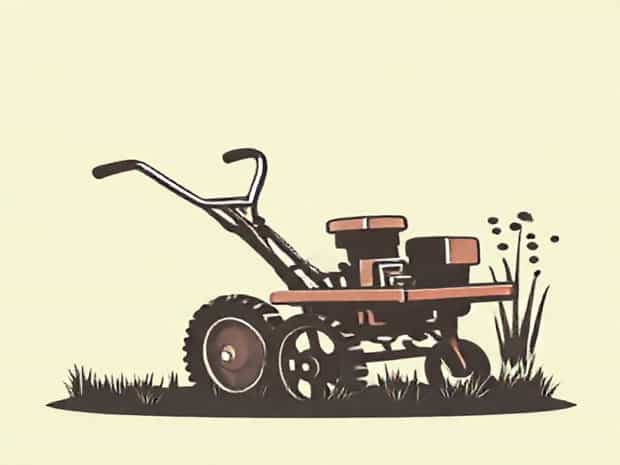
Garden Tiller Rear Tine
Preparing soil for planting is one of the most important steps in gardening, and using the right equipment makes a huge difference. A garden tiller rear tine model is one of the most effective machines for breaking tough ground, mixing compost, and creating loose soil that plants can thrive in. With its powerful tines positioned at the back of the machine, it offers better control, deeper tilling, and efficient performance for both small and large gardens. Understanding how a rear tine tiller works and what to consider before buying one helps gardeners make smarter choices for their soil preparation needs.
What is a Rear Tine Garden Tiller?
A rear tine garden tiller is a heavy-duty machine designed to dig into compacted soil and turn it into workable ground. Unlike front tine tillers where the blades are in front of the wheels, a rear tine tiller has the tines at the back. This design allows the wheels to drive forward while the tines rotate, giving the user more stability and power during operation. Garden tiller rear tine models are particularly useful for breaking new ground or preparing large garden plots.
Benefits of Using a Rear Tine Tiller
Choosing a garden tiller rear tine over a lighter model comes with several advantages that make gardening easier and more productive. Some of the main benefits include
- Ability to till deep into the soil for improved aeration
- Strong enough to handle rocky or clay-heavy soil
- Provides a smoother finish for planting beds
- Offers better control and stability compared to front tine tillers
- Ideal for larger gardens and frequent soil preparation
Types of Rear Tine Garden Tillers
Not all rear tine tillers work the same way. Depending on the soil type and intended use, different models provide unique benefits. The main types are
1. Standard Rotating Tine Tillers
In this type, the tines rotate in the same direction as the wheels. They are effective for already loosened soil and light gardening tasks, but may struggle with very compact ground.
2. Counter Rotating Tine Tillers
These models have tines that rotate in the opposite direction of the wheels. This feature makes them excellent for breaking hard, uncultivated ground since the opposing motion increases soil penetration.
3. Dual Rotating Tine Tillers
Dual models give users the flexibility to switch between forward and counter-rotating modes. They are versatile, making them suitable for both soil cultivation and breaking tough new ground.
4. Vertical Tine Tillers
A newer design, vertical tine tillers cut into the soil in a forward slicing motion instead of the traditional churning action. They provide a cleaner cut and reduce vibration, making them easier to handle for long periods.
Key Features to Look for in a Rear Tine Tiller
When shopping for a garden tiller rear tine, certain features determine how well the machine will perform in your garden. Important factors include
- Tine rotation typeChoose based on whether you need deep soil breaking or surface cultivation.
- Tilling widthWider tillers cover more ground quickly, while narrower ones offer better maneuverability.
- Tilling depthAdjustable depth settings give you flexibility for different planting needs.
- Transmission typeGear-driven transmissions are more durable than belt-driven models.
- Engine powerA strong engine ensures the machine can handle tough soil without stalling.
- WheelsLarge, rugged wheels improve traction and control, especially on uneven terrain.
How to Use a Garden Tiller Rear Tine
Using a rear tine tiller requires some technique, but with practice, it becomes straightforward. Here are the general steps to follow
1. Prepare the Area
Remove rocks, sticks, and large debris from the area you want to till. This prevents damage to the blades and makes the job smoother.
2. Set the Depth
Adjust the depth bar based on how deep you want to till. For initial soil breaking, set it shallower, then go deeper on a second pass.
3. Start the Machine
Engage the engine and allow the tiller to idle before moving. Grip the handles firmly and engage the drive slowly.
4. Guide the Tiller
Let the machine do the work instead of forcing it forward. Walk behind steadily while keeping the tiller aligned with your row.
5. Repeat if Necessary
For compacted soil, make several passes, gradually increasing the tilling depth until the soil is properly loosened.
Safety Tips for Operating a Rear Tine Tiller
Garden tillers are powerful machines, so safety should always be a priority. Follow these tips to stay safe
- Wear gloves, boots, and eye protection
- Keep hands and feet away from rotating tines
- Do not operate on steep slopes to avoid losing control
- Never leave the tiller running unattended
- Read the manufacturer’s instructions before first use
Maintenance for Long-Lasting Performance
A garden tiller rear tine requires regular maintenance to stay in good condition. Proper care ensures the machine remains reliable for many years. Key maintenance tasks include
- Check and change engine oil regularly
- Clean dirt and debris from tines after each use
- Inspect belts and gears for wear
- Keep tires inflated for better traction
- Store in a dry, covered area to prevent rust
When to Use a Rear Tine Tiller
While rear tine tillers are versatile, they are best used in specific situations. They excel at
- Breaking ground in new garden plots
- Turning over soil for large vegetable gardens
- Incorporating compost or fertilizer into the soil
- Loosening clay-heavy or compact ground
- Creating wide, even seedbeds
Rear Tine Tiller vs. Front Tine Tiller
Many gardeners wonder whether to choose a rear tine or front tine model. The main differences include
- Front tine tillersLighter, more affordable, and better for small gardens or previously worked soil.
- Rear tine tillersHeavier, more powerful, and capable of breaking new ground efficiently.
If you mainly cultivate small flower beds or already loose soil, a front tine model may be enough. For larger projects and tough soil, a garden tiller rear tine is the smarter choice.
Environmental and Practical Benefits
Using a rear tine tiller not only saves time but also supports healthier soil. By loosening compact ground, it improves water absorption, root growth, and nutrient distribution. This reduces the need for excessive fertilizers and irrigation. Additionally, using one machine for large-scale soil preparation cuts down on manual labor and helps gardeners manage bigger plots more effectively.
A garden tiller rear tine is one of the most reliable tools for preparing soil, especially for larger or more challenging garden spaces. With powerful tines at the back, it offers stability, efficiency, and deeper soil penetration than lighter models. By choosing the right type, learning proper operation techniques, and keeping up with maintenance, gardeners can make their tiller a long-lasting partner in creating fertile, productive soil. Whether you’re starting a new garden or refreshing an old one, investing in a rear tine tiller can make the work easier and the results more rewarding.