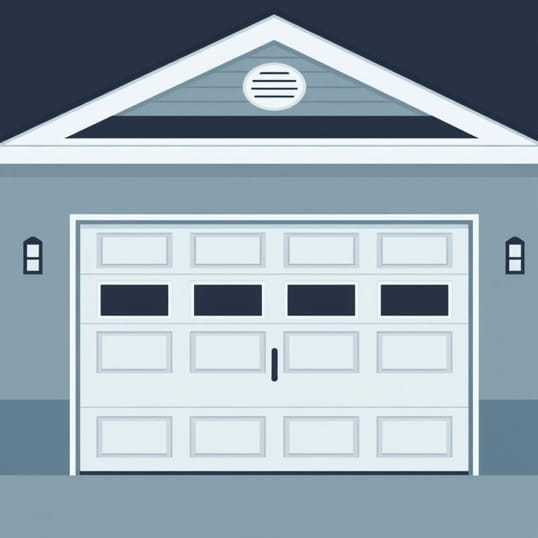
Garage Door Weatherstrip Replacement
Maintaining a garage door is essential for home security, energy efficiency, and overall comfort, and one of the most overlooked components is the weatherstrip. Garage door weatherstrip replacement is a crucial maintenance task that prevents drafts, water leaks, pests, and temperature fluctuations. Over time, weatherstrips can crack, warp, or wear out, reducing their effectiveness. By replacing them promptly, homeowners can protect their garage interior, improve insulation, and extend the lifespan of their garage door. Understanding the types of weatherstrips, replacement methods, and maintenance tips ensures that this task is performed efficiently and effectively.
Understanding Garage Door Weatherstrips
Garage door weatherstrips are flexible seals installed along the bottom and sides of the door to create a tight barrier between the garage and the outside environment. They serve multiple purposes, including keeping out water, dust, insects, and cold air during the winter months. Weatherstrips also help maintain indoor temperature, reducing energy costs and protecting stored items from environmental damage. Depending on the garage door type, weatherstrips may be made from rubber, vinyl, silicone, or foam, each offering varying levels of durability and flexibility.
Types of Weatherstrips
- Rubber Bottom SealsCommonly used on sectional and roll-up doors for durability and flexibility.
- Vinyl or PVC StripsCost-effective and easy to install, suitable for moderate weather conditions.
- Silicone WeatherstripsHighly resilient, ideal for extreme temperatures and long-lasting performance.
- Foam WeatherstripsLightweight and flexible, often used for side seals or smaller gaps.
Signs Your Weatherstrip Needs Replacement
Over time, garage door weatherstrips deteriorate due to exposure to sunlight, moisture, and repeated door movement. Recognizing the signs of wear can help homeowners address the issue before it leads to larger problems. Common indicators include visible cracks or tears, gaps between the weatherstrip and the garage floor, difficulty in opening or closing the door due to warped seals, and drafts or water leaks inside the garage. Timely replacement ensures continued protection and improves the energy efficiency of the garage space.
Common Indicators of Wear
- Visible cracks, tears, or brittleness in the material.
- Gaps allowing drafts, water, or pests to enter the garage.
- Warped or compressed strips preventing smooth door operation.
- Noise during opening or closing due to worn-out seals.
- Increased energy costs caused by poor insulation.
Benefits of Garage Door Weatherstrip Replacement
Replacing worn or damaged weatherstrips offers multiple advantages for homeowners. It improves energy efficiency by reducing heat loss in winter and keeping the garage cooler in summer. New weatherstrips prevent water damage and mold growth by sealing out rain and snow. They also enhance comfort by minimizing drafts, reduce noise from outside, and deter pests such as rodents and insects from entering the garage. Additionally, maintaining proper seals extends the lifespan of the garage door by reducing wear on the door components caused by environmental exposure.
Advantages
- Enhanced energy efficiency and reduced utility bills.
- Protection against water damage, mold, and mildew.
- Improved comfort with minimized drafts and noise.
- Pest prevention and increased home security.
- Extended garage door lifespan by reducing wear on door components.
Steps to Replace Garage Door Weatherstrips
Garage door weatherstrip replacement can be a manageable DIY task with the right tools and materials, though professional assistance is recommended for larger or more complex doors. The process generally involves measuring the existing strip, removing the old seal, and installing the new one. Adhesive-backed strips are pressed firmly into place, while sliding or insert-style strips are secured using screws or brackets. Ensuring a snug fit is crucial to prevent gaps and maximize the seal’s effectiveness.
Step-by-Step Guide
- Measure the length of the existing weatherstrip to purchase the correct replacement.
- Lift the garage door and safely secure it in an open position.
- Remove the old weatherstrip by pulling or unscrewing it from the track or bottom bar.
- Clean the door edge and surrounding area to remove debris and adhesive residue.
- Install the new weatherstrip according to the manufacturer’s instructions, ensuring a tight and even fit.
- Test the door operation to ensure the weatherstrip does not obstruct movement.
- Make adjustments as needed to maintain a proper seal.
Maintenance Tips for Longevity
Regular maintenance can prolong the life of garage door weatherstrips and prevent early deterioration. Inspect the weatherstrips periodically for signs of wear, especially after harsh weather conditions. Clean the strips using mild soap and water to remove dirt and debris that can cause damage over time. Lubricate moving components of the garage door to reduce friction that may impact the seals. If a section of the weatherstrip becomes damaged, address it promptly to prevent further degradation of the entire seal. Routine maintenance ensures consistent performance and energy efficiency.
Maintenance Recommendations
- Inspect weatherstrips at least twice a year, ideally before winter and summer.
- Clean the strips regularly to prevent buildup of dirt and debris.
- Lubricate door tracks and hinges to reduce stress on seals.
- Repair small cracks or tears immediately to avoid major replacement costs.
- Ensure proper alignment and compression to maintain an effective seal.
Hiring Professional Assistance
While replacing garage door weatherstrips can often be done independently, hiring a professional ensures proper installation and long-lasting results. Experienced technicians can recommend the most suitable type of weatherstrip based on climate, garage door type, and usage. Professionals also have the tools to install strips securely and ensure that the garage door operates smoothly without obstruction. For larger doors, commercial garage setups, or older units, professional service guarantees optimal performance and reduces the risk of mistakes that could compromise the seal or door function.
Professional Service Benefits
- Accurate assessment of door and weatherstrip type requirements.
- Proper installation with correct alignment and compression.
- Reduced risk of damage to the garage door during replacement.
- Expert recommendations for durable, long-lasting materials.
- Peace of mind knowing the work is performed efficiently and safely.
Garage door weatherstrip replacement is a vital maintenance task that protects homes from drafts, water damage, pests, and energy loss. By recognizing the signs of wear, selecting the right type of weatherstrip, and performing timely replacement, homeowners can ensure their garage remains insulated, secure, and functional. Regular maintenance and professional assistance when needed further enhance the longevity and efficiency of the weatherstrips and garage door. Investing in proper weatherstrip replacement improves comfort, safeguards stored items, and preserves the overall integrity of the garage space for years to come.