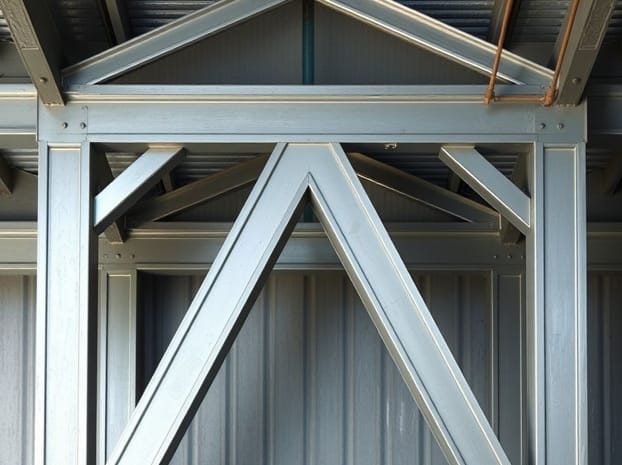
Galvanized Steel I Beams
Galvanized steel I beams are a crucial component in modern construction, providing strength, durability, and resistance to corrosion for a wide range of structural applications. Known for their distinctive I-shaped cross-section, these beams are designed to support heavy loads while minimizing the amount of material used. Galvanization, the process of coating the steel with a layer of zinc, enhances the beams’ ability to withstand environmental factors such as moisture, chemicals, and extreme weather conditions. As a result, galvanized steel I beams are commonly used in industrial buildings, commercial structures, bridges, and residential projects where long-term stability and safety are critical. Understanding their properties, advantages, and applications is essential for architects, engineers, and construction professionals.
What Are Galvanized Steel I Beams?
Galvanized steel I beams are structural steel members with a characteristic I shape, consisting of two horizontal flanges connected by a vertical web. The flanges provide resistance to bending, while the web resists shear forces, making the beam highly efficient for load-bearing applications. Galvanization involves immersing the steel in molten zinc or applying a zinc coating through other methods, creating a protective barrier against rust and corrosion. This combination of structural efficiency and corrosion resistance makes galvanized steel I beams ideal for both indoor and outdoor construction projects.
Key Properties of Galvanized Steel I Beams
Several properties make galvanized steel I beams a preferred choice in construction
- High StrengthThe I-beam shape provides excellent structural strength while using less material compared to solid beams.
- DurabilityGalvanization significantly extends the lifespan of the steel by protecting it from rust, corrosion, and environmental damage.
- Load-Bearing CapacityThe combination of flanges and web enables the beam to support heavy loads efficiently.
- VersatilitySuitable for various applications, including building frameworks, bridges, warehouses, and industrial facilities.
- Ease of FabricationGalvanized steel can be cut, drilled, and welded as needed for specific construction requirements.
Advantages of Galvanized Steel I Beams
Galvanized steel I beams offer numerous benefits over traditional steel beams, especially in environments prone to moisture, humidity, or chemical exposure.
Corrosion Resistance
One of the most significant advantages of galvanization is enhanced resistance to corrosion. The zinc coating acts as a barrier between the steel and environmental elements, preventing rust and prolonging the structural integrity of the beam. This is particularly valuable in outdoor construction or in areas with high humidity, rainfall, or exposure to industrial pollutants.
Cost-Effectiveness
Although galvanized steel I beams may have a higher initial cost compared to untreated steel, their long-term durability reduces maintenance and replacement expenses. The reduced need for painting, coating, or other protective treatments makes galvanized beams a cost-effective solution over the lifespan of a building or structure.
Strength and Safety
Galvanized steel I beams provide excellent structural strength, ensuring the safety and stability of the construction. Their ability to withstand bending, shear, and compressive forces makes them suitable for high-load applications such as bridges, industrial facilities, and multi-story buildings. Additionally, their predictable performance under stress allows engineers to design structures with confidence.
Low Maintenance
Unlike untreated steel, which requires regular painting or coating to prevent rust, galvanized steel I beams require minimal maintenance. The zinc coating offers long-term protection, reducing the frequency of inspections and upkeep, which is especially beneficial for large-scale projects or structures in remote locations.
Applications of Galvanized Steel I Beams
Galvanized steel I beams are widely used in a variety of construction and engineering projects. Their strength, durability, and resistance to corrosion make them suitable for diverse applications
Building Construction
In residential and commercial buildings, galvanized steel I beams form the backbone of structural frameworks. They support floors, roofs, walls, and other critical elements, ensuring stability and load distribution throughout the structure.
Industrial Facilities
Factories, warehouses, and manufacturing plants often use galvanized steel I beams due to their ability to handle heavy machinery and equipment. The corrosion resistance of these beams ensures long-term durability in environments where exposure to chemicals or moisture is common.
Bridges and Infrastructure
Bridges, flyovers, and other infrastructure projects require materials that can withstand heavy loads and environmental stress. Galvanized steel I beams provide both strength and corrosion resistance, making them ideal for long-span structures and outdoor applications.
Marine and Coastal Projects
Coastal constructions such as piers, docks, and marine platforms benefit from galvanized steel I beams due to their resistance to saltwater corrosion. This property ensures the longevity and safety of structures in harsh marine environments.
Temporary and Modular Structures
Galvanized steel I beams are also used in temporary constructions, such as event stages, scaffolding, and modular buildings. Their strength and ease of assembly make them suitable for structures that need to be both durable and portable.
Standards and Specifications
Galvanized steel I beams must meet specific industry standards and specifications to ensure quality and safety. These standards define the dimensions, load-bearing capacity, material composition, and galvanization process. Common standards include ASTM, EN, and ISO specifications, which provide guidelines for both manufacturing and construction practices.
Quality Assurance
Ensuring the quality of galvanized steel I beams involves rigorous testing, including tensile strength, corrosion resistance, and dimensional accuracy. Manufacturers often conduct these tests to verify compliance with industry standards, ensuring that the beams perform reliably in construction applications.
Galvanized steel I beams are an essential element of modern construction, offering a combination of strength, durability, and corrosion resistance that makes them suitable for a wide range of applications. From residential and commercial buildings to bridges, industrial facilities, and marine projects, these beams provide reliable support for critical structures. Their low maintenance, cost-effectiveness, and versatility make them a preferred choice for architects, engineers, and construction professionals. Understanding the properties, advantages, and applications of galvanized steel I beams ensures that projects are built with safety, efficiency, and longevity in mind, highlighting their indispensable role in contemporary construction.