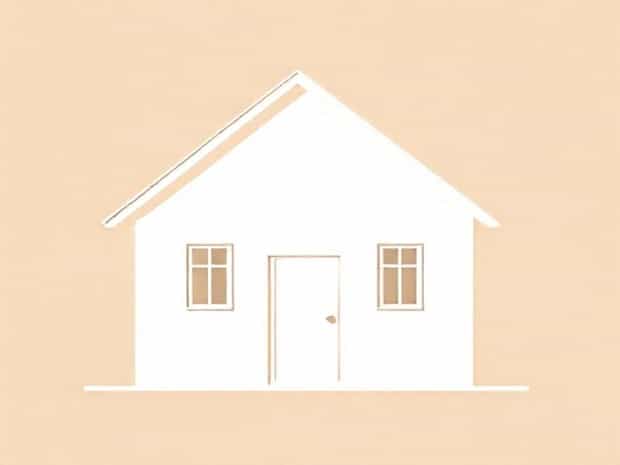
Gable End Hipped Roof
The gable end hipped roof is an architectural design that combines the distinct features of both gable and hip roofs, offering a blend of aesthetic appeal, structural stability, and functional versatility. This roof type has gained popularity in residential and commercial architecture due to its unique appearance and practical benefits. Unlike a standard gable or hipped roof, the gable end hipped roof provides enhanced wind resistance while maintaining the classic triangular silhouette at the gable ends. This design is particularly favored in areas with high wind or heavy snowfall, as it offers better load distribution and reduces the risk of damage compared to traditional roofing styles.
Understanding the Gable End Hipped Roof
A gable end hipped roof features a combination of two roofing structures the gable, which forms a triangular end, and the hip, which slopes downwards on all sides of the roof. Essentially, the roof is a hipped roof with a gable at one or more ends, resulting in a hybrid design. This combination allows homeowners and architects to enjoy the advantages of both styles. The gable provides additional vertical space for attics or upper floors, while the hip ensures stability and better water drainage. The intersection of the hip and gable requires careful planning and precise construction techniques to achieve a seamless and structurally sound roof.
Structural Features
The structural integrity of a gable end hipped roof is enhanced by its multi-plane design. The hip sections provide diagonal bracing that strengthens the roof against lateral forces, such as high winds, while the gable ends offer aesthetic variation and interior space. Rafters and trusses must be carefully designed to accommodate the change in slope between the hip and gable sections. Proper load distribution is critical to prevent stress points and potential sagging over time. Builders often use reinforced framing at the junctions to ensure long-term durability and to maintain the visual appeal of the roofline.
Advantages of a Gable End Hipped Roof
- Enhanced StabilityThe hipped sections increase resistance to strong winds, making it suitable for storm-prone areas.
- Improved DrainageSloped surfaces allow rainwater and snow to run off efficiently, reducing the risk of leaks.
- Aesthetic AppealThe combination of gable ends with hipped slopes creates a visually interesting and versatile roofline.
- Additional SpaceGable ends can provide extra room for attics, lofts, or vaulted ceilings.
- VersatilityWorks well with various architectural styles, from traditional homes to contemporary designs.
Design Considerations
Designing a gable end hipped roof requires attention to both structural and aesthetic factors. Architects must consider the roof pitch, material selection, and load-bearing capacity. The pitch of the gable should complement the slope of the hip sections to create a harmonious look. Material choices such as asphalt shingles, clay tiles, or metal roofing can influence both the appearance and durability of the roof. Additionally, insulation and ventilation must be incorporated to prevent heat buildup and moisture issues within the attic space. Proper flashing and sealing around the gable intersections are essential to prevent water infiltration.
Roof Pitch and Angle
The pitch of the gable end hipped roof plays a crucial role in its overall functionality. A steeper pitch allows for better water and snow runoff, while a shallower pitch may be more cost-effective and easier to construct. Balancing the angles between the hip and gable sections ensures that the roof appears proportional and avoids awkward junctions that could compromise both aesthetics and structural integrity. Careful calculation of angles is necessary to maintain a smooth transition between the different roof planes.
Material Selection
Choosing the right materials for a gable end hipped roof impacts its longevity and performance. Asphalt shingles are a popular choice due to affordability and ease of installation, while clay or concrete tiles provide a more traditional look with greater durability. Metal roofing offers a modern appearance and excellent resistance to wind and fire. Each material type requires specific installation techniques, particularly at the junctions between gable and hip sections, to prevent leaks and ensure long-term reliability.
Construction Techniques
Constructing a gable end hipped roof requires skilled carpentry and precise engineering. Trusses or rafters are typically custom-fitted to accommodate the hybrid design. Roof framing must be carefully aligned to ensure even load distribution and prevent structural weaknesses. The intersection of the gable and hip requires reinforced support to handle the additional stress points. Contractors often use advanced measurement tools and construction software to plan and execute these complex roof structures efficiently. Attention to detail during construction is critical to achieve both a visually appealing and structurally sound result.
Ventilation and Insulation
Proper ventilation and insulation are essential for a gable end hipped roof to maintain energy efficiency and prevent moisture-related problems. Ridge vents, soffit vents, and insulated panels are commonly used to promote airflow while keeping the interior space comfortable. Effective insulation prevents heat loss in the winter and minimizes heat gain during summer months. A well-ventilated and insulated roof not only improves energy efficiency but also extends the lifespan of roofing materials.
Applications and Suitability
The gable end hipped roof is suitable for a variety of building types, from single-family homes to larger commercial structures. Its combination of functionality and aesthetics makes it a preferred choice for architects seeking a distinctive roofline that balances visual appeal with structural benefits. This roof type is especially advantageous in regions with high wind or heavy snowfall, where stability and efficient water drainage are critical. Additionally, the design offers flexibility for creative architectural features, such as dormer windows, vaulted ceilings, or decorative gable accents.
Architectural Styles
- Traditional HomesComplements classic residential designs with a timeless look.
- Modern HousesAdds visual interest while maintaining clean lines and minimalistic appeal.
- Country or Cottage DesignsEnhances charm with a combination of functional and decorative elements.
- Commercial BuildingsProvides structural benefits and aesthetic variation for office or retail spaces.
Maintenance and Longevity
Maintaining a gable end hipped roof involves regular inspections for damage, particularly at the junctions between the hip and gable sections. Debris removal, gutter cleaning, and checking for loose or damaged shingles are essential to prevent leaks and deterioration. Roofs constructed with high-quality materials and proper installation can last several decades with minimal maintenance. Additionally, the hybrid design distributes stress more evenly than a simple gable roof, contributing to its longevity and resilience against extreme weather conditions.
The gable end hipped roof is an innovative architectural solution that combines the strengths of both gable and hip roof designs. Its unique structure provides enhanced stability, efficient water drainage, and increased interior space while maintaining an attractive and versatile aesthetic. Suitable for a wide range of building styles and climates, this roof type offers both practical and visual advantages. By carefully considering design, materials, and construction techniques, homeowners and architects can maximize the benefits of a gable end hipped roof, resulting in a durable, efficient, and visually appealing structure that stands the test of time.