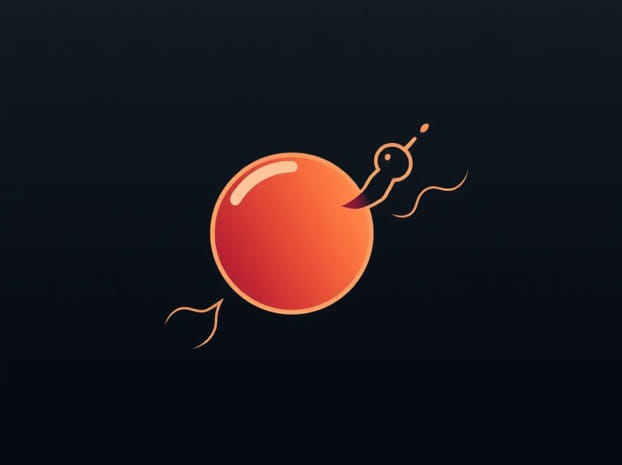
Fusion Of Ovum And Sperm Is Called
The fusion of ovum and sperm is called fertilization, and it represents the beginning of a new individual’s development. This natural process unites the genetic material of two parents to form a zygote, which eventually develops into an embryo. Fertilization is not just a biological event but also a crucial foundation of reproduction in humans and many other organisms. Understanding how the sperm and ovum meet, fuse, and initiate life provides insights into genetics, developmental biology, and even modern medical technologies like in vitro fertilization.
Definition of Fertilization
Fertilization is defined as the union of the male gamete (sperm) and the female gamete (ovum) to form a single cell known as the zygote. The zygote contains a complete set of chromosomes, half from the mother and half from the father. This process restores the diploid chromosome number and ensures genetic diversity, which is essential for evolution and adaptation.
Structure of Ovum and Sperm
To understand how the fusion occurs, it is important to look at the structure of the gametes involved
- OvumThe ovum is the female reproductive cell, large and spherical in shape, surrounded by protective layers such as the zona pellucida and corona radiata.
- SpermThe sperm cell is much smaller, designed for mobility, with a head that contains genetic material, a midpiece packed with mitochondria, and a tail that propels it forward.
Steps of Fertilization
The fusion of ovum and sperm is called fertilization, but it is not a single step it involves a sequence of coordinated events
- CapacitationChanges in the sperm membrane within the female reproductive tract prepare it for penetration.
- Contact and RecognitionSperm binds to receptors on the ovum’s outer layer, ensuring species-specific fertilization.
- Acrosome ReactionEnzymes from the sperm’s acrosome break down the zona pellucida, allowing penetration.
- Fusion of MembranesThe plasma membranes of sperm and ovum fuse, enabling the entry of the sperm nucleus into the egg cytoplasm.
- Cortical ReactionThe ovum releases cortical granules that prevent other sperm from entering, ensuring only one sperm fertilizes the egg.
- Formation of the ZygoteThe genetic material from both gametes combines, restoring the diploid chromosome number.
Role of Fertilization in Reproduction
The fusion of ovum and sperm is essential for sexual reproduction. It ensures that offspring inherit genetic material from both parents, which leads to genetic variation. This variation is the basis of natural selection and helps populations adapt to changing environments. Fertilization also activates the egg, initiating the complex processes of cell division and development that lead to the formation of an embryo.
Types of Fertilization
While the basic definition remains the same, fertilization can occur in different ways depending on the species
- External FertilizationCommon in many aquatic animals, where sperm and eggs are released into the environment, such as in fish and amphibians.
- Internal FertilizationFound in mammals, birds, and reptiles, where fertilization takes place inside the female body.
In humans, fertilization always occurs internally, usually in the fallopian tube.
Genetic Significance of Fertilization
One of the most important outcomes of fertilization is the mixing of genetic material. Each gamete carries half the number of chromosomes, and their fusion restores the full set. This process ensures genetic recombination, which creates diversity in populations. Diversity strengthens survival chances and reduces the risks associated with genetic disorders.
Fertilization and the Beginning of Development
Once the zygote forms, it undergoes cleavage, a rapid series of cell divisions. These divisions eventually lead to the formation of a blastocyst, which implants into the uterine wall. From this point, the embryo begins to differentiate into specialized tissues and organs. The moment of fertilization is thus not only the union of sperm and egg but also the initiation of a complex developmental journey.
Fertilization in Humans
In humans, fertilization occurs within the female reproductive tract, specifically in the ampulla region of the fallopian tube. After ovulation, the ovum remains viable for about 12 to 24 hours. Sperm, however, can survive in the female reproductive tract for up to five days. The timing of intercourse relative to ovulation determines the likelihood of fertilization. Once fertilization is successful, the zygote travels toward the uterus for implantation.
Modern Medical Perspectives
The study of fertilization has led to breakthroughs in reproductive medicine. In vitro fertilization (IVF) is a technique where the fusion of ovum and sperm occurs outside the body in a laboratory. This process has helped millions of couples overcome infertility challenges. Understanding fertilization also aids in genetic screening, fertility treatments, and the development of contraceptive methods.
Factors Affecting Fertilization Success
Not every attempt at fertilization leads to a zygote. Several factors influence the success of this process
- Gamete QualityHealthy sperm and ovum are necessary for proper fusion.
- TimingFertilization can only occur during the short window when the ovum is viable.
- Reproductive Tract ConditionsThe environment must support sperm mobility and ovum viability.
- Genetic CompatibilitySuccessful fertilization requires chromosomal alignment and normal genetic material.
Fertilization and Evolutionary Adaptation
From an evolutionary perspective, fertilization plays a role in the survival of species. The fusion of ovum and sperm allows for constant reshuffling of genetic traits. This process provides populations with resilience against diseases and changing environmental pressures. The mechanism of fertilization, therefore, is not only about individual reproduction but also about long-term species survival.
The fusion of ovum and sperm is called fertilization, and it stands at the very core of life’s continuity. It represents the merging of two sets of genetic material, the creation of a zygote, and the beginning of embryonic development. Fertilization ensures genetic diversity, drives evolution, and sustains reproduction in humans and countless other organisms. Whether studied from a biological, medical, or evolutionary perspective, fertilization remains one of the most fundamental processes that define life on Earth.