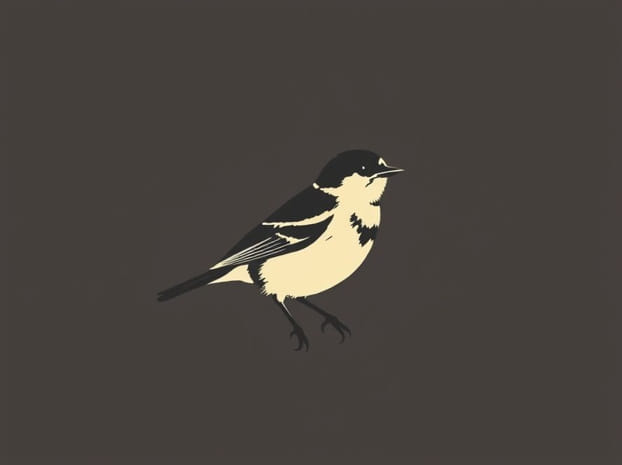
Fungsi Paruh Burung Pipit
The beak of a sparrow is one of the most essential tools for its survival, serving multiple functions that are vital for feeding, communication, and protection. Unlike mammals that rely on teeth for processing food, birds have evolved beaks of various shapes and sizes to suit their diets and lifestyles. In sparrows, the beak is perfectly adapted for cracking seeds, catching insects, and even aiding in nest-building activities. Understanding the functions of a sparrow’s beak offers insight into their behavior, ecology, and evolutionary adaptations, highlighting how this small structure plays a big role in the life of these common yet fascinating birds.
Feeding Function of Sparrow Beaks
One of the primary functions of a sparrow’s beak is feeding. Sparrows are generally granivorous, meaning they primarily eat seeds. Their short, conical beaks are strong and precise, allowing them to crack open tough seed coats to access the nutritious parts inside. Additionally, sparrows may consume insects, especially during breeding season, to provide protein for growing chicks. Their beaks are versatile enough to pick insects off leaves or catch them mid-air, demonstrating remarkable dexterity for such a small bird.
Seed Consumption and Adaptation
The conical shape of a sparrow’s beak is an evolutionary adaptation to its seed-based diet. The pointed tip allows for precision in picking small seeds, while the strong base provides the force necessary to crush them. This adaptation not only aids in survival but also influences sparrow feeding behavior. During winter months, when food is scarce, the efficiency of their beaks becomes even more critical. Sparrows can extract seeds from tight spaces and eat quickly to avoid predators, showcasing the functional importance of their beaks in daily life.
Role in Nest Building
Beyond feeding, the sparrow’s beak plays a crucial role in nest-building activities. Sparrows use their beaks to collect twigs, grass, feathers, and other materials to construct sturdy nests. They often weave these materials together with impressive skill, creating safe environments for their eggs and chicks. The beak serves as both a tool and a manipulative appendage, allowing the bird to grasp, arrange, and secure building materials with remarkable precision.
Communication and Social Interaction
The beak is also involved in communication among sparrows. During courtship and social interactions, sparrows may use their beaks to produce specific sounds or gestures. Beak movements can accompany chirps, trills, and calls, which convey information about territory, mating readiness, or alarm signals. The structure of the beak affects the tonal quality and resonance of the sounds, making it an important tool for social communication within sparrow flocks.
Protection and Defense
While sparrows are small birds, their beaks can serve as a means of defense against predators or rivals. They may peck to ward off intruders or protect their nests. Although not as formidable as the beaks of larger birds, sparrow beaks are sharp enough to deliver painful pecks, which can deter smaller threats. This defensive function underscores the multifunctional nature of the beak, combining feeding, communication, and survival roles into a single anatomical structure.
Beak Maintenance and Health
The sparrow’s beak requires regular maintenance to remain functional. Birds naturally wear down their beaks through daily activities like eating, preening, and nest-building. Sparrows also use their beaks to groom feathers and remove parasites, contributing to overall health and fitness. Healthy beaks are essential for accessing food efficiently, caring for young, and engaging in social behaviors. Any damage or deformity can significantly affect a sparrow’s survival, highlighting the importance of the beak beyond its primary feeding role.
Evolutionary Significance of Sparrow Beaks
The beak of a sparrow reflects a long history of evolutionary adaptation. Natural selection has shaped the beak to optimize survival in various habitats, from urban areas to forests and grasslands. Differences in beak size and shape among sparrow species often correspond to specific dietary niches, allowing multiple species to coexist without direct competition for resources. This evolutionary perspective demonstrates that the sparrow’s beak is not just a tool but a product of ecological pressures and adaptive strategies.
Variations Among Sparrow Species
- House sparrows have robust, short beaks ideal for cracking small seeds found in human-dominated environments.
- Tree sparrows possess slightly longer beaks, helping them access seeds and insects in natural vegetation.
- Song sparrows exhibit beak variations that correspond to diet diversity, enabling them to exploit both seeds and insects effectively.
- Beak shape variations also influence vocalizations, mating success, and social hierarchy within flocks.
Fun Facts About Sparrow Beaks
- Sparrow beaks grow continuously, requiring constant wear to prevent overgrowth.
- The beak’s coloration can provide information about age, health, and breeding status.
- Sparrows use their beaks to manipulate objects, sometimes even learning to open bird feeders or other human-made containers.
- The strength of a sparrow’s beak is proportionally impressive, allowing them to crack seeds that seem large relative to their body size.
- Beak shape influences how sparrows interact with competitors, predators, and mates, making it a key tool for survival and reproduction.
The beak of a sparrow is a multifunctional marvel, integral to the bird’s survival, social interactions, and ecological role. From feeding on seeds and insects to building nests, communicating with flock members, and defending against threats, the sparrow’s beak demonstrates versatility and evolutionary adaptation. Understanding the functions of sparrow beaks not only deepens our appreciation for these common birds but also provides insight into the broader principles of adaptation and survival in the avian world. Observing how sparrows use their beaks in daily life reveals the complex interplay between anatomy, behavior, and environment, highlighting the beak as a small yet essential instrument in the remarkable life of the sparrow.