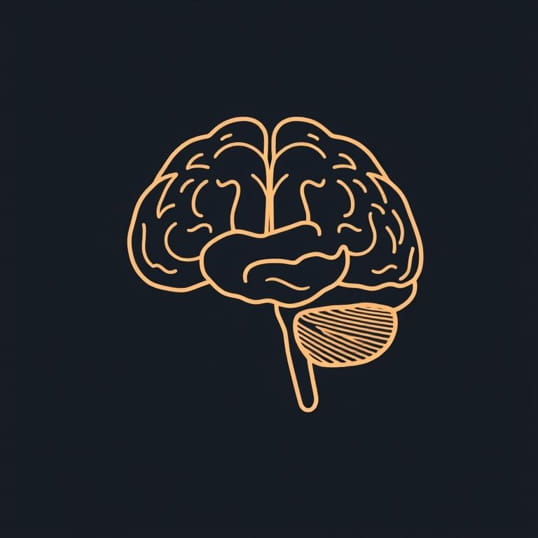
Function Of Primary Gustatory Cortex
The human brain is a highly specialized organ capable of processing complex sensory information, and one of its remarkable abilities is the perception of taste. Taste perception is not just about detecting flavors; it involves intricate neural pathways that convey information from the tongue to the brain, allowing humans to identify, interpret, and respond to different tastes. Central to this process is the primary gustatory cortex, a specific brain region that serves as the main hub for taste processing. Understanding the function of the primary gustatory cortex reveals how the brain integrates sensory signals, contributes to feeding behavior, and influences overall nutrition and health.
Location and Structure of the Primary Gustatory Cortex
The primary gustatory cortex is located in the insular cortex and the frontal operculum, regions of the cerebral cortex situated deep within the lateral sulcus. The insular cortex is known for its involvement in diverse sensory and emotional processes, while the frontal operculum contributes to the integration of sensory input and motor responses. Together, these areas form a network that processes taste information received from the tongue and other oral structures. Neurons in the primary gustatory cortex are organized in a way that allows them to detect specific taste modalities such as sweet, sour, salty, bitter, and umami.
Anatomical Connections
The primary gustatory cortex receives input from the gustatory portion of the thalamus, which acts as a relay station for sensory information coming from the taste buds. Taste signals are transmitted via cranial nerves VII (facial nerve), IX (glossopharyngeal nerve), and X (vagus nerve) to the nucleus of the solitary tract in the brainstem. From there, signals are sent to the thalamus and subsequently to the primary gustatory cortex. This pathway ensures that taste information is accurately conveyed and processed, enabling the brain to generate appropriate responses to different flavors.
Main Functions of the Primary Gustatory Cortex
The primary gustatory cortex is primarily responsible for the perception and discrimination of taste. It processes sensory input from the taste buds and integrates it with other sensory modalities, such as smell and texture, to create a comprehensive experience of flavor. Beyond mere perception, the primary gustatory cortex plays a crucial role in guiding feeding behavior, influencing appetite, and contributing to the emotional aspects of eating.
Taste Perception and Discrimination
Neurons in the primary gustatory cortex are tuned to specific taste qualities, allowing humans to distinguish between sweet, sour, salty, bitter, and umami flavors. This discrimination is essential for identifying nutritious foods and avoiding harmful substances. For example, sweetness often signals energy-rich foods, while bitterness can indicate the presence of toxins. The primary gustatory cortex integrates these signals, enabling individuals to make informed dietary choices and react appropriately to different tastes.
Integration with Other Sensory Modalities
The primary gustatory cortex does not work in isolation. It communicates with the orbitofrontal cortex, olfactory regions, and somatosensory areas to integrate taste with smell, texture, and temperature. This multimodal integration is what allows humans to perceive complex flavors rather than isolated tastes. For instance, the combination of sweetness, aroma, and creaminess in chocolate is processed as a unified sensory experience, largely due to the coordinated activity of the primary gustatory cortex and its connected regions.
Influence on Feeding Behavior
By processing taste information, the primary gustatory cortex helps regulate feeding behavior. It signals the palatability of foods and contributes to the motivational aspects of eating. Activation of this cortex can stimulate appetite when encountering preferred flavors or reduce food intake when experiencing unpleasant tastes. This function is crucial for maintaining energy balance and promoting dietary choices that support health and survival.
Emotional and Reward Processing
The primary gustatory cortex is closely linked to limbic structures such as the amygdala and the hypothalamus, which are involved in emotion and reward. Taste perception can elicit strong emotional responses, such as pleasure from a favorite food or aversion to something spoiled. The cortical processing of taste thus influences both hedonic experiences and learning about food preferences. Positive reinforcement associated with enjoyable flavors can guide future food selection and dietary habits.
Clinical Significance of the Primary Gustatory Cortex
Damage or dysfunction in the primary gustatory cortex can lead to disorders of taste perception, such as ageusia (loss of taste) or dysgeusia (distorted taste). These conditions can affect nutrition, appetite, and overall quality of life. Understanding the role of the primary gustatory cortex is essential for developing therapies and interventions for individuals with taste disorders. Additionally, research on this cortex has implications for addressing obesity, eating disorders, and the development of flavor-enhanced foods for medical nutrition therapy.
Neuroplasticity and Adaptation
The primary gustatory cortex exhibits a degree of neuroplasticity, allowing it to adapt to changes in sensory input. For example, individuals who lose taste perception due to injury or illness may experience reorganization of cortical areas, which can partially restore taste function over time. This adaptability underscores the importance of the primary gustatory cortex in maintaining sensory experience and its potential as a target for rehabilitation strategies.
Role in Learning and Memory
The primary gustatory cortex also contributes to learning and memory related to food experiences. By encoding the sensory qualities of foods and associating them with outcomes such as satiety or nausea, this cortex helps individuals develop food preferences and aversions. This learning process is crucial for survival, guiding humans toward nutritious foods and away from harmful substances. Over time, repeated exposure to certain flavors can strengthen cortical representations, shaping long-term dietary habits.
Interaction with Hormonal Signals
The primary gustatory cortex interacts with hormonal signals, including those from the gut-brain axis. Hormones such as ghrelin and leptin influence appetite and taste perception, and the cortex integrates these signals to modulate food intake. This interaction highlights the role of the primary gustatory cortex in maintaining energy balance and coordinating physiological responses with sensory input.
The primary gustatory cortex is a central hub for processing taste information, integrating sensory inputs, and influencing feeding behavior, emotions, and reward. Its location in the insular cortex and frontal operculum, along with its connections to the thalamus and other brain regions, enables it to perform complex functions essential for survival and quality of life. From taste perception and discrimination to learning, memory, and appetite regulation, the primary gustatory cortex is vital for understanding how humans experience and respond to food. Research into this cortex not only enhances our knowledge of sensory neuroscience but also provides insights into clinical applications, dietary interventions, and the development of therapeutic strategies for taste-related disorders.