Function Of Pelvic Girdle
The pelvic girdle is a crucial structure in the human skeletal system, providing both support and stability to the upper body while facilitating movement of the lower limbs. Located in the lower trunk region, it connects the spine to the femurs, forming a strong and flexible base for posture and locomotion. Its function goes beyond mere structural support; it plays a key role in protecting internal organs, distributing body weight, and enabling complex motions necessary for daily activities, exercise, and even childbirth. Understanding the function of the pelvic girdle reveals how intricately it contributes to human biomechanics, health, and overall physical performance.
Anatomy of the Pelvic Girdle
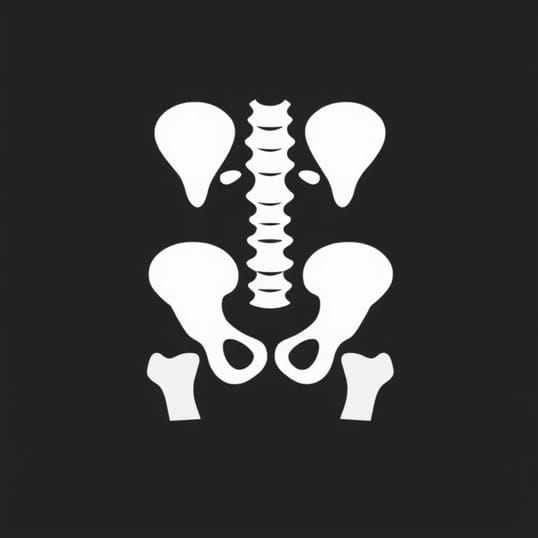
The pelvic girdle consists of two hip bones, the sacrum, and the coccyx, which together form a basin-like structure. Each hip bone is composed of three fused bones the ilium, ischium, and pubis. The sacrum is a triangular bone at the base of the spine, connecting with the ilium on either side via the sacroiliac joints. The coccyx, often referred to as the tailbone, is located at the lower end of the sacrum and provides attachment points for various muscles and ligaments. This bony arrangement allows the pelvic girdle to provide a balance between rigidity for weight-bearing and flexibility for movement.
Joints and Ligaments
- Sacroiliac jointsThese strong joints connect the sacrum to the ilium and play a critical role in transferring weight from the upper body to the lower limbs.
- Pubic symphysisA cartilaginous joint connecting the two pubic bones, providing slight movement and shock absorption.
- LigamentsNumerous ligaments, including the sacrospinous and sacrotuberous ligaments, stabilize the pelvic girdle and maintain its structural integrity while allowing controlled mobility.
Primary Functions of the Pelvic Girdle
The pelvic girdle serves multiple essential functions, ranging from support and locomotion to protection and reproductive roles. Each of these functions is crucial for maintaining overall body stability and health.
Support and Weight Distribution
The pelvic girdle bears the weight of the upper body, distributing it evenly to the lower limbs. This function is especially important during standing, walking, running, and lifting activities. By efficiently transferring forces from the spine to the legs, the pelvic girdle helps prevent excessive strain on the vertebral column and lower limb joints. Proper alignment of the pelvic girdle ensures that the body maintains balance, posture, and coordination.
Facilitation of Movement
The pelvic girdle provides attachment points for muscles that control movements of the hips, thighs, and lower back. Muscles such as the gluteals, hip flexors, and adductors anchor to the pelvic bones, enabling walking, running, climbing, and other complex motions. Its structure allows rotation, flexion, extension, abduction, and adduction of the lower limbs, making it an essential component in locomotor activity. In addition, the pelvic girdle works with the lumbar spine and lower extremities to absorb impact and maintain fluid motion during athletic and everyday activities.
Protection of Internal Organs
The bony architecture of the pelvic girdle forms a protective basin around vital organs located in the pelvic cavity, including the bladder, reproductive organs, and portions of the intestines. This protective role is vital for preventing injuries from physical impacts or falls. In females, the pelvic girdle also supports the uterus during pregnancy, distributing weight and reducing stress on the lower back and surrounding muscles.
Childbirth and Reproductive Function
In women, the pelvic girdle is adapted to facilitate childbirth. The wider, more circular female pelvis provides a birth canal through which the baby can pass during delivery. Ligaments and joints in the pelvic girdle allow slight expansion, enabling a safer and more effective birthing process. The structural differences between male and female pelvic girdles reflect evolutionary adaptations to reproductive needs, with the female pelvis being broader and more flexible to accommodate pregnancy and delivery.
Muscular and Ligamentous Support
The function of the pelvic girdle is closely tied to the muscles and ligaments that surround it. These soft tissues provide dynamic stability, allowing movement while maintaining the integrity of the skeletal framework.
Major Muscles Associated with the Pelvic Girdle
- Gluteal musclesFacilitate hip extension, rotation, and stability during walking and running.
- Hip flexorsEnable lifting of the thighs, crucial for climbing stairs or running.
- Pelvic floor musclesSupport internal organs and maintain continence.
- Adductors and abductorsControl lateral movements of the legs and help maintain balance.
Ligamentous Contributions
Ligaments such as the sacroiliac ligaments, sacrospinous ligament, and sacrotuberous ligament contribute significantly to the function of the pelvic girdle. They prevent excessive movement, maintain joint stability, and absorb mechanical stress. The interplay between ligaments and muscles ensures that the pelvic girdle remains both strong and flexible, accommodating dynamic movements while protecting internal structures.
Clinical Significance of the Pelvic Girdle
Understanding the function of the pelvic girdle has important implications for health, injury prevention, and rehabilitation. Disorders affecting this region can significantly impact mobility, posture, and quality of life.
Pelvic Injuries
Trauma to the pelvic girdle, such as fractures or dislocations, can disrupt weight-bearing functions and mobility. These injuries often require careful medical management and rehabilitation to restore normal function. Proper alignment and strengthening exercises are crucial for preventing long-term complications.
Pain and Dysfunction
Pelvic girdle pain is a common condition, particularly in pregnancy, due to ligamentous relaxation and increased load on the pelvis. Dysfunction can also result from muscle imbalances, arthritis, or congenital abnormalities. Physical therapy, targeted exercises, and postural training are often used to manage pain and restore optimal function.
Importance in Exercise and Sports
For athletes, a well-functioning pelvic girdle is essential for performance and injury prevention. Core stability, hip mobility, and pelvic alignment influence running efficiency, jumping ability, and overall athletic performance. Strengthening the pelvic muscles and maintaining flexibility helps reduce the risk of strains, lower back pain, and hip injuries.
The pelvic girdle is a fundamental component of human anatomy, providing structural support, facilitating movement, protecting internal organs, and playing a critical role in reproductive functions. Its complex interaction with muscles, ligaments, and joints enables efficient locomotion, balance, and stability. Recognizing the function of the pelvic girdle highlights its importance in daily activities, athletic performance, and clinical care. Proper care, strengthening, and awareness of this anatomical structure are essential for maintaining health, preventing injury, and optimizing physical performance throughout life.