Function Of Nucleus In Neuron
The nucleus in a neuron is a fundamental component that plays a critical role in maintaining the cell’s functions and overall health. Unlike other cells in the body, neurons are highly specialized for communication, and their nucleus serves as the command center that regulates genetic information, protein synthesis, and cellular activity. Understanding the function of the nucleus in neurons is essential for studying how the nervous system operates, how signals are transmitted, and how neurological diseases may develop when these processes are disrupted. The nucleus not only directs the growth and repair of neurons but also ensures that each neuron can maintain its complex structure and specialized roles in the brain and nervous system.
Structure of the Neuronal Nucleus
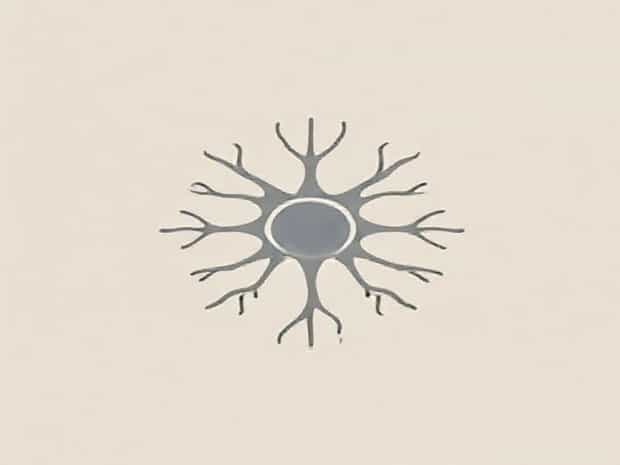
The nucleus of a neuron is typically spherical or oval in shape and is located in the soma, or cell body, of the neuron. It is surrounded by a double-layered nuclear envelope that separates the nucleus from the cytoplasm while allowing selective transport of molecules. Inside the nucleus, chromatin consists of DNA and associated proteins, which are organized into genes that dictate the production of various proteins essential for neuronal function. Additionally, the nucleolus, a dense structure within the nucleus, is primarily responsible for ribosomal RNA synthesis and the assembly of ribosomal subunits.
Fun Fact 1 Neurons Are Long-Lived Cells
Unlike many other cell types, neurons can survive for decades, and their nucleus plays a crucial role in maintaining long-term cellular health. The nucleus ensures that DNA repair mechanisms are active, preventing damage accumulation and supporting neuron longevity.
Regulation of Genetic Information
One of the main functions of the neuronal nucleus is to store and manage genetic information. The DNA contained within the nucleus contains the instructions for synthesizing proteins required for neurotransmitter production, receptor formation, and the maintenance of cellular structures. Gene expression is tightly regulated in neurons, allowing them to respond to external stimuli, adjust synaptic strength, and adapt to changes in their environment.
Fun Fact 2 Activity-Dependent Gene Expression
Neurons can alter gene expression in response to activity, such as learning or sensory input. The nucleus interprets these signals and adjusts protein synthesis accordingly, which is essential for synaptic plasticity and memory formation.
Protein Synthesis and Cellular Function
The nucleus coordinates the synthesis of proteins that are crucial for the neuron’s structure and function. Messenger RNA (mRNA) is transcribed from DNA in the nucleus and then transported to the cytoplasm, where ribosomes translate it into proteins. These proteins may be used for maintaining axons and dendrites, forming ion channels, or producing enzymes required for neurotransmitter synthesis. This process ensures that neurons can carry out their signaling roles effectively and sustain their extensive cellular architecture.
Fun Fact 3 Nucleus as a Control Center
The nucleus acts like the neuron’s control center, ensuring that the right proteins are produced at the right time and place. This precision is necessary because neurons often have very long axons, and proteins need to be transported across considerable distances to maintain synaptic function.
Role in Neuronal Growth and Repair
The nucleus plays a central role in the growth and repair of neurons. During development, it regulates the expression of genes that control axon and dendrite outgrowth, guiding neurons to form precise connections. In adults, the nucleus helps coordinate repair mechanisms in response to injury or stress, ensuring that damaged neurons can recover functionality when possible. Though neurons have limited regenerative capacity compared to other cell types, the nucleus remains essential in orchestrating cellular responses to damage.
Fun Fact 4 Nucleus and Neurogenesis
In certain regions of the brain, such as the hippocampus, new neurons are generated even in adulthood. The nucleus in these new neurons directs their growth, differentiation, and integration into existing neural circuits.
Signal Integration and Communication
The neuronal nucleus is not directly involved in transmitting electrical signals along the axon, but it plays an indirect role by regulating proteins necessary for signal propagation. Voltage-gated ion channels, neurotransmitter receptors, and synaptic proteins are all products of gene expression controlled by the nucleus. This means that while the axon conducts impulses, the nucleus ensures that the neuron is equipped with the molecular machinery needed for effective communication and synaptic plasticity.
Fun Fact 5 Nucleus Influences Synaptic Plasticity
Changes in gene expression mediated by the nucleus can strengthen or weaken synapses. This ability is the foundation for learning and memory, demonstrating how central the nucleus is to cognitive functions.
Protection of Genetic Material
The nuclear envelope serves as a protective barrier, safeguarding DNA from mechanical stress, metabolic byproducts, and potential toxins in the cytoplasm. Additionally, the nucleus contains repair enzymes that correct DNA damage, preventing mutations that could impair neuronal function. Maintaining genomic integrity is critical because neurons are largely non-dividing cells; damage to their DNA can have long-term consequences for brain function and health.
Fun Fact 6 DNA Repair in Neurons
Even though neurons do not frequently divide, they maintain active DNA repair mechanisms in their nucleus. This ensures longevity and reduces the risk of neurological disorders caused by DNA damage accumulation.
Implications for Neurological Health
The function of the neuronal nucleus has direct implications for neurological health. Defects in nuclear processes, such as impaired gene expression or DNA repair, can lead to neurodegenerative diseases like Alzheimer’s, Parkinson’s, and Huntington’s disease. Understanding how the nucleus regulates neuronal function is therefore critical for developing therapies to combat these disorders. Additionally, the nucleus can be a target for gene therapy, where correcting or modifying specific genes may restore or enhance neuron function.
Fun Fact 7 Nucleus as a Therapeutic Target
Modern neuroscience research explores ways to influence nuclear activity to treat neurodegenerative diseases, highlighting its vital role in maintaining brain health and functionality.
The nucleus in a neuron is a multifunctional organ that serves as the command center for genetic regulation, protein synthesis, cellular growth, repair, and protection. By directing gene expression and coordinating cellular activities, the nucleus ensures that neurons can perform their complex signaling roles, maintain their intricate structures, and respond to environmental and developmental cues. Its critical functions underscore the importance of the nucleus in both normal neurological operations and in the context of disease. Studying the function of the nucleus in neurons not only enhances our understanding of brain biology but also opens pathways for potential therapeutic interventions for a range of neurological conditions.
- Stores and manages genetic information necessary for protein synthesis.
- Regulates activity-dependent gene expression for synaptic plasticity and learning.
- Coordinates production of proteins for axon, dendrite, and synaptic function.
- Supports growth, repair, and regeneration of neurons.
- Protects DNA from damage and ensures genomic integrity.
- Indirectly influences neural signaling and communication.
- Has implications for neurological disease research and therapeutic interventions.