Function Of Menisci In Knee Joint
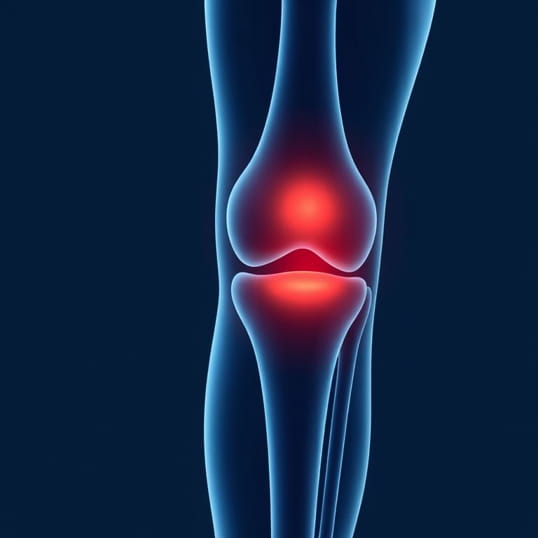
The human knee is one of the most complex and heavily utilized joints in the body, responsible for bearing weight, facilitating movement, and providing stability during daily activities and athletic endeavors. At the core of its functionality are the menisci, two crescent-shaped pieces of fibrocartilage that sit between the femur and tibia. While often overlooked compared to ligaments or muscles, the menisci are crucial for maintaining joint health, preventing injury, and enabling smooth motion. Understanding the function of menisci in the knee joint provides insight into how this joint absorbs shock, distributes load, and stabilizes during a wide range of movements. Damage to the menisci can significantly impair mobility and lead to long-term degenerative conditions, highlighting their essential role in knee anatomy.
Structure of the Menisci
The knee contains two menisci the medial meniscus on the inner side of the knee and the lateral meniscus on the outer side. Both menisci are made of fibrocartilage, a tough yet flexible tissue that combines properties of cartilage and connective tissue. The medial meniscus is more C-shaped and firmly attached to the medial collateral ligament, making it less mobile and more prone to injury. The lateral meniscus is more circular and loosely attached, allowing for greater mobility. Each meniscus has a thick outer edge and a thin inner edge, forming a wedge-like shape that conforms to the contour of the femoral condyles and tibial plateau. This unique shape is critical for the menisci’s ability to absorb shock and distribute forces across the knee joint.
Load Distribution and Shock Absorption
One of the primary functions of the menisci is to distribute weight evenly across the knee joint and absorb the forces generated during activities such as walking, running, and jumping. When the femur exerts pressure on the tibia, the menisci act as cushions, spreading the load over a larger surface area. This function reduces stress on the articular cartilage, preventing wear and tear that can lead to osteoarthritis. The menisci also absorb shock, dampening the impact transmitted from the ground through the leg, which helps protect bones, ligaments, and surrounding tissues from injury. Without properly functioning menisci, the knee experiences increased localized pressure, accelerating cartilage degradation and joint pain over time.
Stability and Joint Support
In addition to load distribution, the menisci play a vital role in stabilizing the knee joint. Their wedge-like structure enhances congruency between the rounded femoral condyles and the flat tibial plateau, providing a better fit and preventing excessive movement. This stability is particularly important during rotational movements, sudden changes in direction, and weight-bearing activities. The medial meniscus, being more firmly attached, provides significant medial stability, while the lateral meniscus allows controlled lateral movement. Together, they prevent the tibia from sliding excessively forward, backward, or side-to-side, reducing the risk of ligament injuries, such as tears to the anterior cruciate ligament (ACL) or posterior cruciate ligament (PCL).
Lubrication and Nutrition of the Knee
The menisci also contribute to the lubrication and nutrition of the knee joint. Synovial fluid, which lubricates the joint, circulates more effectively due to the presence of menisci. Their movement during flexion and extension of the knee helps distribute this fluid, reducing friction between cartilage surfaces and ensuring smooth motion. Furthermore, the menisci facilitate the transport of nutrients to the avascular regions of cartilage, supporting the health of the joint and preventing degeneration. This nutrient distribution is essential because articular cartilage lacks its own blood supply and relies on the surrounding structures, including the menisci, to maintain tissue viability.
Meniscal Injury and Its Consequences
Injury to the menisci is common, particularly among athletes and individuals engaging in high-impact activities. Tears can occur due to sudden twisting, direct trauma, or gradual degeneration. Symptoms often include pain, swelling, limited range of motion, and a sensation of locking or catching in the knee. Depending on the severity and location of the tear, treatment options may include physical therapy, meniscal repair, or partial removal of the damaged tissue (meniscectomy). Damage to the menisci compromises their ability to distribute load and absorb shock, leading to increased stress on the articular cartilage and a higher likelihood of osteoarthritis over time. This underscores the critical importance of maintaining meniscal health through proper exercise, injury prevention, and timely treatment.
Role in Proprioception
Another lesser-known function of the menisci is their contribution to proprioception, the body’s ability to sense joint position and movement. Sensory nerve endings within the menisci detect changes in knee angle, pressure, and tension, providing feedback to the brain about the position and movement of the joint. This information helps coordinate muscle activity around the knee, enhancing stability and reducing the risk of injury. When the menisci are damaged or removed, proprioceptive feedback is diminished, which can affect balance, coordination, and overall joint function.
Meniscus in Rehabilitation and Recovery
Understanding the functions of menisci is essential in rehabilitation and post-injury recovery. Exercises that strengthen surrounding muscles, such as the quadriceps and hamstrings, support the knee and help compensate for partial meniscal damage. Low-impact activities, such as swimming or cycling, allow the meniscus to function with minimal stress while promoting blood flow and nutrient distribution. In surgical scenarios, preserving as much meniscal tissue as possible is a priority because retaining the meniscus maintains load distribution, shock absorption, and joint stability. Emerging treatments, such as meniscal scaffolds or regenerative therapies, aim to restore meniscus function and prevent long-term degenerative changes.
Menisci and Age-Related Changes
As people age, the menisci undergo changes that affect their function. They can become less elastic, thinner, and more prone to tears due to degenerative processes. This contributes to age-related knee pain and increases the risk of osteoarthritis. Maintaining knee strength and mobility through regular exercise, avoiding high-impact trauma, and addressing minor injuries promptly can help preserve meniscal function and prolong joint health. Nutritional support, including adequate intake of collagen-promoting nutrients, may also benefit meniscus integrity over time.
The menisci of the knee joint serve multiple vital functions that are critical for overall joint health and mobility. They distribute load and absorb shock, reducing stress on the articular cartilage. They provide stability during complex movements, enhance lubrication, and contribute to proprioception, helping the body sense joint position and movement. Injury or degeneration of the menisci can compromise these functions, leading to pain, reduced mobility, and an increased risk of osteoarthritis. Protecting meniscal health through proper exercise, injury prevention, and timely medical intervention is essential for maintaining knee function throughout life. By understanding the function of menisci in the knee joint, individuals can appreciate their role in enabling smooth movement, stability, and long-term joint health, emphasizing the importance of this often-overlooked structure in everyday activities and athletic performance.
- Medial and lateral menisci provide cushioning and load distribution
- Absorb shock from weight-bearing activities
- Enhance knee stability by conforming to femoral and tibial surfaces
- Assist in joint lubrication and nutrient transport
- Contribute to proprioception and coordinated movement
- Protect articular cartilage from degeneration
- Damage can lead to pain, reduced mobility, and osteoarthritis
- Rehabilitation focuses on preserving function and supporting surrounding muscles