Function Of Coronary Sulcus
The human heart is a remarkable organ with a complex structure that ensures the continuous flow of blood throughout the body. Among its anatomical features, the coronary sulcus stands out as an important groove that separates different chambers of the heart while serving as a passageway for essential blood vessels. Often called the atrioventricular groove, the coronary sulcus plays both a structural and functional role, making it a key landmark in cardiac anatomy. Understanding the function of the coronary sulcus provides insight into how the heart works, how blood supply is maintained, and why this region is so critical in both normal physiology and medical diagnosis.
What Is the Coronary Sulcus?
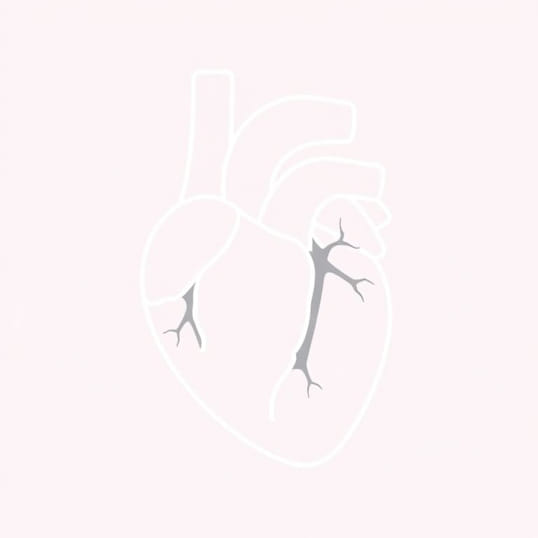
The coronary sulcus is a deep groove that runs transversely around the heart. It marks the boundary between the atria (upper chambers) and the ventricles (lower chambers). This groove is not just a surface feature but also a pathway that houses major blood vessels, including branches of the coronary arteries and cardiac veins. Because of its strategic location, the coronary sulcus contributes to both the anatomy and physiology of the heart.
Function of the Coronary Sulcus
The function of the coronary sulcus extends beyond being a simple dividing line. It has multiple important roles that support the cardiovascular system. These functions include providing a passage for vessels, separating chambers, and serving as a landmark in medical imaging and surgery.
Pathway for Blood Vessels
One of the most important functions of the coronary sulcus is that it provides a protective groove for major coronary vessels. These vessels supply oxygen-rich blood to the heart muscle and remove deoxygenated blood.
- Right coronary arteryTravels along the right portion of the coronary sulcus, providing blood to the right atrium and right ventricle.
- Left circumflex arteryPasses through the left side of the sulcus, delivering blood to parts of the left atrium and left ventricle.
- Coronary sinusA large venous structure located in the sulcus, responsible for collecting deoxygenated blood from cardiac veins and returning it to the right atrium.
By housing these vessels, the coronary sulcus ensures they are well protected and strategically placed to deliver blood efficiently to the heart muscle.
Structural Separation of Chambers
The coronary sulcus also serves as a natural division between the atria and ventricles. This separation is important because it highlights the distinction between chambers that receive blood (atria) and those that pump blood (ventricles). The groove ensures that the vessels traveling through it are properly positioned relative to these chambers, contributing to organized blood flow.
Support in Cardiac Function
Although the coronary sulcus itself does not contract or pump blood, it plays an indirect role in cardiac function by supporting the coronary circulation system. Without the arteries and veins that travel through it, the heart muscle would not receive enough oxygen to maintain its powerful contractions. In this way, the coronary sulcus is essential for sustaining the workload of the heart.
Anatomical Details of the Coronary Sulcus
The coronary sulcus can be viewed as a circular groove that runs almost completely around the heart, though it is interrupted in certain areas by the origins of major vessels. Its structure and contents vary slightly depending on which side of the heart is being observed.
Right Side of the Heart
On the right side, the coronary sulcus houses the right coronary artery, which is vital for supplying blood to the right atrium, right ventricle, and portions of the conduction system. The small cardiac vein also travels along this groove, eventually draining into the coronary sinus.
Left Side of the Heart
On the left side, the coronary sulcus contains the circumflex branch of the left coronary artery. This artery is responsible for delivering blood to the lateral and posterior surfaces of the left ventricle and left atrium. The great cardiac vein also travels along the left coronary sulcus, paralleling the artery before entering the coronary sinus.
Posterior Side of the Heart
The posterior portion of the coronary sulcus is especially important because it contains the coronary sinus, the main vein of the heart. The coronary sinus collects blood from the great cardiac vein, middle cardiac vein, and small cardiac vein, ultimately returning it to the right atrium. This function makes the posterior sulcus a hub of venous drainage.
Clinical Importance of the Coronary Sulcus
The coronary sulcus is not just significant in anatomy textbooks; it has great relevance in medical practice. Because it contains major coronary vessels, diseases affecting this region can have serious consequences. Cardiologists and surgeons often use the coronary sulcus as a reference point in diagnostic imaging, surgical procedures, and treatment of heart disease.
Role in Coronary Artery Disease
The coronary arteries that run through the sulcus can become narrowed or blocked due to atherosclerosis. When this happens, blood flow to the heart muscle is reduced, leading to angina or even myocardial infarction (heart attack). The location of blockages in relation to the coronary sulcus is a key detail when planning treatment strategies such as angioplasty or bypass surgery.
Surgical Landmark
In cardiac surgery, the coronary sulcus serves as a landmark for identifying safe zones for incisions and locating critical vessels. Surgeons rely on this groove to avoid damaging coronary arteries or veins during procedures like valve repair, heart transplantation, or coronary artery bypass grafting.
Electrophysiology and Conduction System
The coronary sulcus is located close to important parts of the heart’s conduction system, including the atrioventricular node. This makes it a critical area in electrophysiology studies, where physicians map electrical signals to diagnose and treat arrhythmias.
Evolutionary and Comparative Anatomy
The coronary sulcus is present across different species, although its exact structure and contents may vary. In mammals, it typically serves the same purpose of housing coronary vessels and dividing chambers. Studying this groove in other animals helps researchers understand the evolution of the heart and how circulation has adapted in various organisms.
Summary of Functions
To better understand the importance of the coronary sulcus, it helps to look at its functions in a simplified way
- Separates the atria and ventricles structurally
- Houses major coronary arteries and veins
- Provides a passage for the coronary sinus
- Supports efficient coronary circulation
- Acts as a landmark in clinical diagnosis and surgery
The function of the coronary sulcus extends far beyond being a visible groove on the surface of the heart. It is a vital structure that supports the coronary circulation system, ensures proper blood supply to the heart muscle, and serves as a key anatomical landmark in both physiology and medicine. By housing arteries, veins, and the coronary sinus, the coronary sulcus plays an indispensable role in keeping the heart healthy and functioning efficiently. Whether studied in anatomy, evaluated in imaging, or considered during surgery, this groove highlights the intricate design of the human heart and its reliance on precise structural organization.