Function Of Cerebellum Class 10
The cerebellum is one of the most important parts of the human brain, playing a vital role in coordination, balance, and fine motor control. Often studied in class 10 biology, the cerebellum is located at the back of the brain, underneath the occipital lobes and above the brainstem. Despite its relatively small size compared to other brain regions, it contains a vast number of neurons and performs highly complex functions. Understanding the cerebellum and its functions is essential for students as it provides insight into how the brain regulates movement, posture, and even certain cognitive abilities. Its role extends beyond physical coordination to aspects of learning and adaptation, making it a fascinating subject for study.
Structure of the Cerebellum
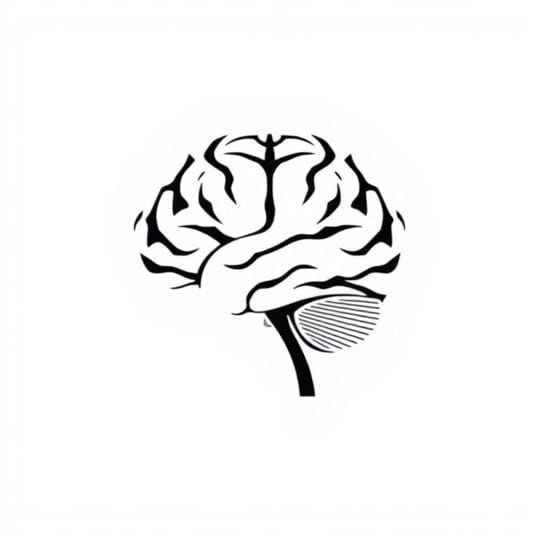
The cerebellum is a small, rounded structure at the back of the brain that is divided into two hemispheres. Its surface is covered with a layer of gray matter called the cerebellar cortex, which is folded into ridges called folia. Beneath this gray matter lies white matter, which connects the cerebellum to other parts of the brain and spinal cord. Additionally, the cerebellum contains deep nuclei that help process and relay signals. This structure allows it to receive input from various sensory systems, the spinal cord, and other parts of the brain to perform its functions efficiently.
Parts of the Cerebellum
- Anterior LobeHelps control posture and regulates movements of the trunk.
- Posterior LobeResponsible for coordinating fine motor movements and voluntary muscle activity.
- Flocculonodular LobePlays a key role in balance and controlling eye movements.
Main Functions of the Cerebellum
The cerebellum is primarily known for its role in movement and coordination, but it also contributes to several other functions. It works closely with other parts of the brain to ensure smooth, balanced, and precise movements. Here are the main functions
1. Coordination of Voluntary Movements
The cerebellum ensures that voluntary movements, such as walking, writing, or playing sports, are smooth and well-coordinated. It receives information from the motor cortex and sensory pathways to adjust and fine-tune movements. Without the cerebellum, movements would be uncoordinated and jerky, leading to difficulty in performing daily activities.
2. Maintenance of Balance and Posture
Another crucial function of the cerebellum is maintaining balance and posture. It receives input from the vestibular system in the inner ear and sensory feedback from muscles and joints. By integrating this information, the cerebellum helps the body remain upright and stable during movement or while standing still. Damage to this area can result in loss of balance and a condition known as ataxia.
3. Fine Motor Skills
The cerebellum is essential for controlling fine motor skills, which involve precise movements of smaller muscles, particularly in the hands and fingers. Writing, typing, and playing musical instruments all require fine motor coordination, which is regulated by the cerebellum. It ensures accuracy and timing in these movements.
4. Learning and Motor Memory
The cerebellum plays a role in motor learning, helping individuals acquire new skills and refine movements through practice. For example, learning to ride a bicycle or play a piano involves repetition and gradual improvement, processes that rely heavily on the cerebellum. It stores information about previously learned motor patterns, enabling smoother and faster performance over time.
5. Eye Movement Control
The cerebellum also helps regulate eye movements, particularly during head movement. This function is crucial for stabilizing vision and maintaining clear sight while moving. Coordination between eye muscles and the vestibular system ensures that we can track moving objects effectively without dizziness or blurred vision.
Other Important Roles
Recent research has revealed that the cerebellum may also contribute to cognitive and emotional functions. While its primary role is motor control, it communicates with the cerebral cortex and other brain regions involved in attention, language, and decision-making. This suggests that the cerebellum supports not only physical coordination but also certain aspects of learning, problem-solving, and emotional regulation.
Disorders Related to Cerebellum Dysfunction
Damage or dysfunction of the cerebellum can lead to various medical conditions. Common disorders include
- AtaxiaLoss of coordination and balance.
- DysmetriaInability to control the range of movement.
- TremorsInvoluntary shaking during voluntary movements.
- NystagmusRapid involuntary eye movements.
These conditions highlight the cerebellum’s critical role in maintaining smooth and precise body movements and overall physical stability.
Importance of Cerebellum Study for Class 10 Students
Understanding the cerebellum is a key component of the class 10 biology curriculum. Learning about its structure and functions helps students grasp how the nervous system coordinates and regulates body movements. Additionally, studying cerebellum functions introduces students to the concept of neural integration and feedback mechanisms, essential topics in biology. It also encourages awareness of neurological disorders and their impact on daily life, fostering an appreciation of brain health and anatomy.
Tips for Remembering Cerebellum Functions
- Use mnemonics such as CBL – Coordination, Balance, Learning to recall its primary roles.
- Visualize the cerebellum’s location and its connection to other brain parts.
- Relate its functions to daily activities like walking, writing, or playing sports for better understanding.
- Practice drawing labeled diagrams to reinforce knowledge.
The cerebellum is a vital brain structure with essential roles in coordinating voluntary movements, maintaining balance and posture, controlling fine motor skills, and supporting motor learning. Its functions extend beyond motor control to influence cognitive processes and eye movements. For class 10 students, understanding the cerebellum provides a foundation for learning about the nervous system and the brain’s complex operations. Recognizing its importance helps explain how humans perform everyday activities with precision and balance and highlights the impact of cerebellar disorders on movement and coordination. Studying the cerebellum also encourages curiosity about brain health and the integration of sensory and motor functions, making it a fascinating topic in the study of biology.
Overall, the cerebellum is a small but highly significant part of the brain. Its ability to coordinate and fine-tune body movements, combined with its role in learning and adaptation, makes it indispensable for daily life. From walking and running to writing and playing instruments, the cerebellum ensures that our movements are smooth, accurate, and efficient. Understanding its functions not only benefits academic learning but also deepens our appreciation of the remarkable capabilities of the human brain.