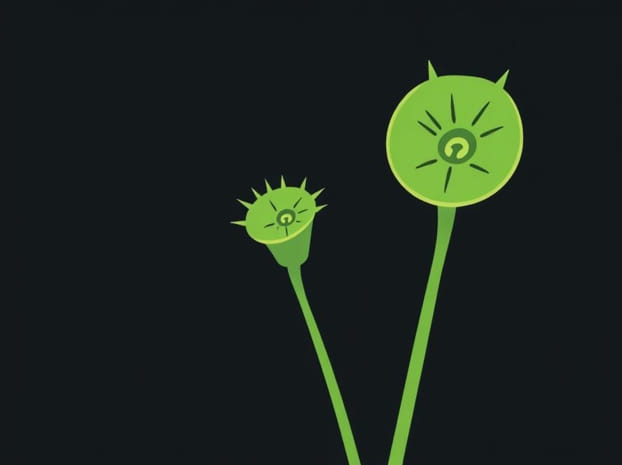
Fun Facts About The Venus Flytrap
The Venus flytrap is one of the most fascinating and unusual plants in the world, captivating the attention of botanists, gardeners, and nature enthusiasts alike. Known for its carnivorous diet and rapid movement, this plant stands out as a symbol of the wonders of plant adaptation. Native to subtropical wetlands on the East Coast of the United States, particularly North and South Carolina, the Venus flytrap has evolved unique mechanisms to survive in nutrient-poor soils, capturing insects and other small prey to supplement its diet. Its intriguing characteristics and quirky behavior make it a subject of endless fascination and curiosity.
Origins and Habitat
The Venus flytrap, scientifically known asDionaea muscipula, is native to a very small region in the United States. It thrives in boggy, acidic soils that are low in nutrients, which explains why it evolved to capture insects for sustenance. These wetlands provide the perfect environment for the Venus flytrap, combining high humidity with full sunlight. Its natural habitat is increasingly threatened by human activity, making the conservation of this remarkable plant a priority for environmentalists.
Unique Adaptations
The Venus flytrap is famed for its carnivorous behavior. Unlike most plants that rely solely on photosynthesis, this plant has evolved to trap and digest insects to obtain essential nutrients, particularly nitrogen. Its specialized leaves form a trap with two lobes that snap shut when triggered by tiny hairs inside the lobes. This rapid movement is an evolutionary adaptation that allows the plant to capture prey efficiently, giving it a survival advantage in nutrient-poor environments.
How the Trap Works
The mechanism behind the Venus flytrap’s trap is both complex and fascinating. Each lobe of the trap has sensitive trigger hairs that detect movement. When an insect touches these hairs twice within about 20 seconds, the trap snaps shut in less than a second. This rapid closure is powered by changes in turgor pressure within the plant cells. Once the prey is trapped, the plant secretes digestive enzymes to break down the insect’s soft tissues, absorbing nutrients over the course of several days. After digestion, the trap reopens, ready to catch another unsuspecting insect.
Incredible Speed and Precision
One of the most captivating aspects of the Venus flytrap is the speed and precision of its trap. The rapid closure is one of the fastest movements in the plant kingdom, allowing it to secure prey before it escapes. Interestingly, the plant is selective and does not snap shut for every touch, which prevents wasting energy. This selective response ensures that the plant maximizes its energy efficiency, highlighting the remarkable intelligence of its adaptation despite being a simple organism.
Fun Facts About the Venus Flytrap
- The Venus flytrap can live for over 20 years in the right conditions, making it a long-lived carnivorous plant.
- Each trap can only snap shut around 3 to 4 times before it becomes less effective, after which it may die off and be replaced by new growth.
- Despite its deadly appearance, the Venus flytrap primarily feeds on small insects like ants, spiders, and flies.
- The plant is capable of photosynthesis, so it does not rely solely on insects for energy, only for supplemental nutrients.
- Venus flytraps can distinguish between living prey and non-nutritive objects, ignoring debris or raindrops.
- The plant is native to a very small geographic range, making it rare and valuable among plant enthusiasts.
- Its flowers grow on tall stalks to avoid trapping pollinators, demonstrating a fascinating evolutionary balance.
- Some traps have been observed to snap shut faster than the blink of an eye, making them one of the fastest-moving plants on Earth.
Pollination and Reproduction
While the Venus flytrap is famous for its carnivorous traps, it also produces flowers that allow for sexual reproduction. The flowers typically bloom in late spring and grow on tall stalks above the trap leaves, ensuring that pollinators are not accidentally caught. The plant can also reproduce vegetatively through rhizomes, producing clones of itself. These dual methods of reproduction help the species survive in its limited natural habitat.
Care Tips for Growing Venus Flytraps
For plant enthusiasts who wish to grow Venus flytraps, understanding their natural habitat and dietary needs is key. They require acidic, nutrient-poor soil, high humidity, and plenty of sunlight. Watering should be done with rainwater or distilled water, as tap water can harm the plant. Feeding insects occasionally is sufficient, and the plant should not be overfed, as it can damage the traps. With proper care, these plants can thrive indoors or in garden environments that mimic their natural wetlands.
Conservation Status
The Venus flytrap is currently considered vulnerable due to habitat loss and over-collection. Conservation efforts focus on protecting natural wetlands, promoting sustainable cultivation, and educating the public about the importance of preserving this unique species. By understanding and respecting the plant’s needs, humans can help ensure that the Venus flytrap continues to thrive in the wild.
Interesting Cultural and Scientific Notes
The Venus flytrap has captured the imagination of people for centuries. Its unique predatory behavior has made it a subject of study in botany, ecology, and evolutionary biology. Scientists examine the mechanisms of its trap, the chemical processes involved in digestion, and the plant’s ability to respond to stimuli. Beyond science, the plant has become a popular icon in culture, appearing in art, literature, and even as a symbol of curiosity and adaptation in nature.
The Venus flytrap remains one of the most extraordinary plants on Earth, combining beauty, complexity, and predatory prowess. From its rapid trap mechanism and selective feeding to its dual reproduction strategies and long lifespan, the plant offers endless opportunities for fascination and study. Understanding its origins, adaptations, and care requirements enhances appreciation for this remarkable species. Fun facts about the Venus flytrap not only highlight its unique characteristics but also underscore the incredible diversity and ingenuity of the plant kingdom. Whether admired in the wild, studied in laboratories, or grown as a unique houseplant, the Venus flytrap continues to captivate and inspire curiosity about the natural world.