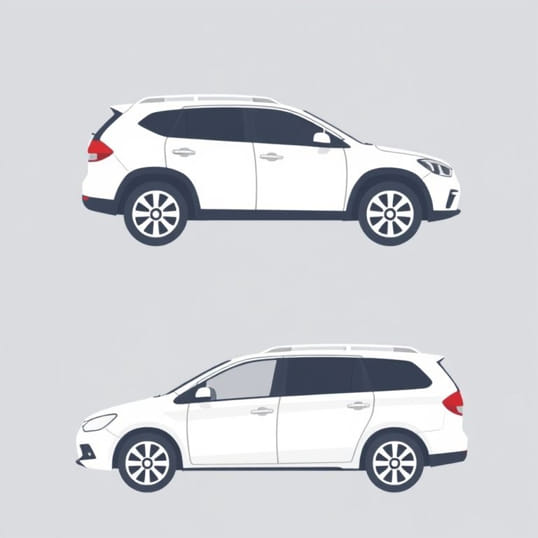
Full Size Suv Vs Minivan
When families start comparing options for a new vehicle, one of the most common debates is between a full size SUV and a minivan. Both are designed to carry multiple passengers comfortably, provide enough cargo space for daily life, and handle long road trips with ease. However, the differences in design, performance, fuel economy, and practicality can make one better suited than the other depending on the family’s lifestyle. Understanding the pros and cons of each vehicle type is essential before making such an important purchase.
Design and Appearance
One of the first things people notice when comparing a full size SUV vs minivan is the design. Full size SUVs tend to have a rugged, stylish, and commanding presence. They often sit higher off the ground, which gives drivers a sense of control and confidence on the road. Minivans, on the other hand, are built with a more functional design, focusing on maximizing interior space and convenience rather than aggressive styling.
Key Differences in Design
- SUVsTaller stance, bold lines, more aggressive front grilles, often associated with adventure and off-road capability.
- MinivansSliding doors, lower ground clearance, aerodynamic shapes that prioritize practicality and accessibility.
While some buyers prefer the rugged look of SUVs, others appreciate the functional approach of a minivan.
Interior Space and Seating
Interior design is one of the biggest factors when comparing a full size SUV vs minivan. Both vehicles can seat seven or eight passengers, but the seating configuration and ease of use differ significantly.
Full Size SUV Seating
- Three rows of seats, with the third row sometimes less spacious for adults.
- Higher step-in height, which can be challenging for younger children or elderly passengers.
- Premium features such as heated seats, captain’s chairs, and advanced entertainment systems are common.
Minivan Seating
- Roomier third-row seating, often more comfortable for adults on long trips.
- Sliding doors that make entry and exit easier, especially in tight parking spaces.
- Configurable seating that can fold flat or be removed to maximize cargo space.
For families who frequently travel with children, the accessibility and space in a minivan often make it more practical. SUVs, however, may appeal to those wanting luxury comfort combined with versatile seating.
Cargo Capacity
Another major consideration in the full size SUV vs minivan debate is cargo space. Minivans are designed with versatility in mind, offering flat floors and larger openings for bulky items. Full size SUVs also provide substantial cargo room but sometimes sacrifice space due to higher floor height and non-removable seats.
Advantages of Minivan Cargo Space
- Stow-and-go seating that folds completely into the floor.
- Lower load floor for easier access when loading heavy items.
- More usable space for strollers, sports gear, or large groceries.
Advantages of SUV Cargo Space
- Split-folding rear seats for flexible storage options.
- Roof racks for additional cargo when traveling with full passenger loads.
- Taller cargo area for bulkier items that require vertical space.
If maximizing cargo efficiency is a priority, the minivan usually wins. However, SUVs provide more versatility for outdoor gear and towing needs.
Performance and Capability
Performance is an area where full size SUVs often have the advantage. Built on truck-based platforms, many SUVs offer powerful engines, higher towing capacities, and off-road capabilities. Minivans are designed more for comfort and efficiency, focusing less on rugged performance.
Full Size SUV Performance
- Available with V6 or V8 engines for stronger acceleration.
- Can tow boats, campers, or trailers with ease.
- All-wheel drive or four-wheel drive options for handling rough terrain.
Minivan Performance
- Generally powered by efficient V6 engines.
- Smooth ride designed for city driving and highways.
- Some models offer all-wheel drive, though towing capabilities are limited compared to SUVs.
For families who enjoy camping, boating, or road trips involving heavy loads, a full size SUV is usually the better choice. Minivans excel in everyday driving and comfort but are not meant for heavy towing.
Fuel Economy
Fuel economy is another important comparison point in the full size SUV vs minivan decision. Since full size SUVs are larger and often use powerful engines, they typically consume more fuel than minivans. Minivans are lighter and more aerodynamic, making them more efficient for long-distance travel.
Typical Fuel Economy
- SUVsAround 15 to 20 miles per gallon depending on the engine size and drivetrain.
- MinivansOften achieve 20 to 28 miles per gallon, making them more budget-friendly for families who drive frequently.
Over time, the savings from better fuel efficiency can make minivans more economical to own.
Technology and Safety
Both full size SUVs and minivans are equipped with advanced technology and safety features, though they emphasize different aspects. SUVs often focus on luxury and off-road tech, while minivans lean toward family convenience and child-friendly safety systems.
SUV Features
- Advanced driver-assistance systems such as adaptive cruise control and blind-spot monitoring.
- Premium infotainment systems with larger touchscreens.
- Terrain management systems for off-road adventures.
Minivan Features
- Rear-seat entertainment systems for kids.
- Integrated vacuum cleaners in some models for easy cleaning.
- Sliding doors with hands-free operation for quick access.
While both are safe, minivans are tailored to the needs of families, whereas SUVs offer a balance of safety with luxury performance.
Cost Considerations
Pricing can also play a major role in the decision. Full size SUVs are often more expensive than minivans, both in upfront costs and long-term ownership expenses such as fuel, insurance, and maintenance. Minivans generally provide a better value for large families who prioritize practicality over luxury.
When comparing a full size SUV vs minivan, the choice comes down to lifestyle and priorities. If towing power, rugged looks, and off-road capability are most important, a full size SUV may be the right option. On the other hand, if convenience, affordability, and interior space take priority, a minivan is hard to beat. Families who carefully evaluate their daily driving habits, travel needs, and budget will be able to choose the vehicle that fits best. Both types of vehicles serve their purpose, but understanding the key differences helps ensure a decision that brings comfort, practicality, and satisfaction for years to come.