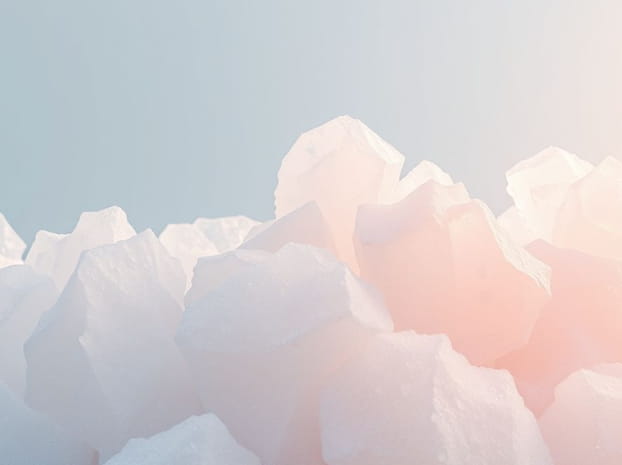
Frothy Masses Of Quartz
Frothy masses of quartz are fascinating geological formations that capture the imagination of mineralogists, geologists, and collectors alike. These structures exhibit a unique texture that resembles foam or froth, which is unusual for a mineral commonly known for its crystalline clarity and hardness. Frothy quartz formations occur under specific geological conditions where silica-rich fluids interact with volcanic or hydrothermal activity, creating porous, bubbly textures that distinguish them from ordinary quartz crystals. Understanding these formations requires exploring their origin, structure, mineral composition, and the environmental conditions that lead to their distinctive appearance. The study of frothy quartz also provides insights into broader geological processes, including magma dynamics, mineral precipitation, and hydrothermal alteration.
Formation of Frothy Quartz
Frothy masses of quartz typically form in environments rich in silica and volatile components, such as water vapor or carbon dioxide. These environments are often associated with volcanic or hydrothermal activity. When silica-rich fluids enter cavities, fractures, or vesicles within rocks, they precipitate quartz crystals as the solution cools or as pressure conditions change. Gas bubbles trapped in these fluids can produce the frothy, porous texture that characterizes these quartz masses.
Geological Settings
- Volcanic rocksFrothy quartz can occur in vesicular lava flows where gas bubbles provide nucleation sites for quartz growth.
- Hydrothermal veinsQuartz deposited from hot, mineral-rich fluids can exhibit frothy textures when gases are dissolved in the fluid and escape during cooling.
- Geodes and cavitiesHollow spaces within rocks allow silica-rich solutions to deposit quartz in a porous, frothy manner, often coating the interior surfaces.
Physical and Chemical Characteristics
The physical appearance of frothy quartz is distinct from typical crystalline quartz. It often has a white, translucent, or milky color due to the presence of trapped gas bubbles and micro-porosity. The texture can range from loosely compacted frothy aggregates to solidified masses with numerous voids. Chemically, frothy quartz is primarily composed of silicon dioxide (SiO2), like all quartz, but the conditions of formation may incorporate minor impurities such as aluminum, iron, or trace elements, slightly altering its color or translucency.
Texture and Structure
Frothy quartz exhibits a highly porous and irregular structure. The interconnected voids create a lightweight material compared to solid quartz crystals. These voids are often remnants of gas bubbles or volatile inclusions present during the crystallization process. Under microscopic examination, the frothy quartz reveals complex intergrowths of quartz microcrystals surrounding the voids, which enhances its unique appearance and adds to its mineralogical interest.
Color Variations
The color of frothy quartz can vary based on trace impurities and environmental factors during formation. Milky white, pale gray, or even slightly yellowish hues are common. In some cases, the presence of iron or other transition metals can impart subtle coloration, making each frothy mass unique. The combination of frothy texture and varied coloration makes these formations visually striking and desirable for collectors.
Scientific Importance
Studying frothy masses of quartz provides insights into the dynamics of mineral formation, volcanic activity, and hydrothermal processes. The porous structures serve as natural records of gas content and fluid composition during crystallization. By analyzing the microstructure and chemical composition, geologists can infer the temperature, pressure, and chemical environment at the time of formation. Frothy quartz also helps in understanding the evolution of mineral deposits and the mechanisms of silica precipitation in natural systems.
Indicators of Geological Processes
- Trapped gas bubbles reveal information about volatile components in magma or hydrothermal fluids.
- Crystal size and orientation indicate cooling rates and fluid dynamics.
- Trace elements provide clues about the chemical environment and potential sources of mineralization.
Applications in Mineralogy and Research
Frothy quartz is not only a subject of aesthetic interest but also a tool for scientific investigation. Researchers use these formations to study mineral nucleation, growth rates, and the effects of volatile components on crystal morphology. In addition, frothy quartz can serve as an analog for synthetic materials in materials science, where controlled porosity is desired for applications such as filtration, catalysis, or lightweight construction.
Occurrence and Collection
Frothy quartz is relatively rare compared to standard crystalline quartz, and its occurrence is often linked to specific geological environments. Regions with extensive volcanic activity or hydrothermal systems are more likely to host these formations. Collectors value frothy quartz for its unusual texture, translucency, and scientific significance. Specimens are typically found in geodes, volcanic vesicles, or hydrothermal veins, where the frothy texture has been preserved by the slow cooling and solidification of silica-rich fluids.
Famous Locations
- Volcanic regions with vesicular basalt or rhyolite flows.
- Hydrothermal fields where silica deposition occurs in veins and cavities.
- Geode-bearing formations, particularly those with well-preserved internal frothy quartz coatings.
Comparison with Other Quartz Varieties
Frothy quartz differs from other quartz varieties in both texture and formation process. While standard quartz crystals exhibit well-defined hexagonal faces and transparent clarity, frothy quartz is characterized by its porous, bubbly texture and irregular forms. Unlike chalcedony or agate, which also form in cavities, frothy quartz retains the appearance of gas-filled microstructures rather than concentric banding. This makes frothy quartz a unique subclass of quartz formations with distinct mineralogical and geological significance.
Unique Properties
- High porosity and low density compared to solid quartz.
- Microbubbly or frothy texture that distinguishes it from crystalline quartz.
- Potential for capturing and preserving information about volatile phases during formation.
Frothy masses of quartz represent a remarkable intersection of mineralogy, geology, and natural artistry. Their formation involves complex interactions between silica-rich fluids, gas bubbles, and environmental conditions, producing unique textures and structures that are unlike conventional quartz crystals. Beyond their aesthetic appeal, these formations offer significant scientific insights into hydrothermal processes, volcanic activity, and mineral growth mechanisms. Collectors, researchers, and educators alike are drawn to frothy quartz for its distinctive appearance and its role as a natural record of geological processes. Studying frothy quartz enhances our understanding of the natural world, demonstrating how microscopic interactions and fluid dynamics can give rise to macroscopic mineralogical marvels that continue to inspire curiosity and exploration.