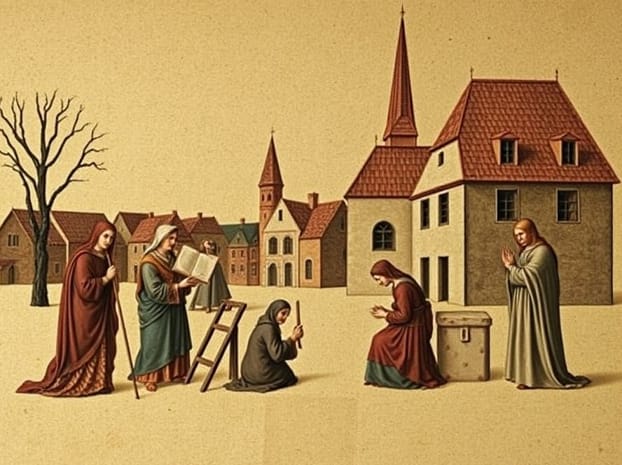
From Van Eyck To Bruegel
The period spanning from Jan van Eyck to Pieter Bruegel the Elder marks one of the most fascinating chapters in Northern European art. This era, roughly covering the 15th and 16th centuries, witnessed dramatic transformations in artistic techniques, thematic focus, and cultural expression. Jan van Eyck, often celebrated as a pioneer of oil painting, introduced a level of realism and attention to detail that influenced countless artists. Pieter Bruegel, coming a generation later, shifted the focus to expansive landscapes, peasant life, and complex allegorical scenes, blending narrative, social commentary, and meticulous observation. The journey from van Eyck to Bruegel encapsulates the evolution of Northern Renaissance art, showcasing how innovation, patronage, and cultural exchange shaped the visual language of the time.
Jan van Eyck Master of Detail and Realism
Jan van Eyck, active during the early 15th century, is widely recognized for his revolutionary contributions to oil painting. His works, such as the Arnolfini Portrait, demonstrate unparalleled attention to detail, texture, and light. Van Eyck’s mastery of oil allowed him to create vivid surfaces, subtle transitions, and intricate reflections, lending his subjects a lifelike presence that had rarely been seen before. The Northern Renaissance emphasis on realism and naturalism found its strongest early expression in his meticulous technique, which influenced generations of artists who followed.
Innovations and Techniques
- Oil Painting Van Eyck perfected oil-based pigments, enabling richer colors and smoother blending.
- Attention to Light His subtle handling of reflections and shadows created depth and realism.
- Symbolism Objects within his paintings often carry intricate symbolic meanings, combining realism with allegory.
- Portraiture Van Eyck elevated portraiture to new heights, capturing psychological depth alongside physical likeness.
The Northern Renaissance Context
The Northern Renaissance was distinguished from its Italian counterpart by its emphasis on intricate detail, domestic interiors, and religious symbolism. Artists like van Eyck were deeply connected to the courts and cities of Flanders, where wealthy patrons commissioned altarpieces, portraits, and devotional works. These works combined technical innovation with social and spiritual meaning, reflecting the priorities of Northern European society at the time. The use of oil paint, fine brushwork, and careful observation of nature became hallmarks of the period, setting the stage for subsequent artistic developments.
Patronage and Cultural Influence
- Flemish Courts Wealthy merchants and nobility supported ambitious commissions.
- Religious Devotion Altarpieces and devotional panels conveyed theological messages.
- International Exchange Artistic ideas traveled across Europe, influencing painters in Italy and beyond.
Pieter Bruegel the Elder The Shift to Landscape and Genre
By the mid-16th century, Pieter Bruegel the Elder emerged as a leading figure in Northern European art. Unlike van Eyck, who focused on portraiture and religious panels, Bruegel explored broader social themes, capturing the vibrancy of peasant life, complex allegories, and expansive landscapes. His paintings, such as The Peasant Wedding and Hunters in the Snow, combine meticulous observation with narrative richness, offering insight into daily life, seasonal cycles, and human behavior. Bruegel’s work reflects a move away from elite portraiture toward more inclusive, socially aware depictions of the world.
Key Features of Bruegel’s Art
- Landscape Focus Bruegel elevated natural settings to a central position in his compositions.
- Genre Scenes Everyday activities, festivals, and labor were depicted with humor and realism.
- Allegorical Elements Many works contain moral or philosophical messages encoded in detailed imagery.
- Dynamic Composition Crowded scenes with multiple figures demonstrate careful planning and storytelling skill.
Comparing Van Eyck and Bruegel
While both van Eyck and Bruegel are emblematic of Northern Renaissance art, their approaches reveal significant differences. Van Eyck’s work is intimate, precise, and focused on individual figures and interiors, emphasizing technical mastery and spiritual symbolism. Bruegel, in contrast, prioritizes narrative scope, communal activity, and environmental context, blending realism with social observation. Together, they illustrate the evolution of Northern European painting, from the detailed, almost microscopic attention to form to the broader, interconnected portrayal of human society and landscape.
Contrasts in Style and Subject
- Scale Van Eyck’s works often center on small, intimate panels, while Bruegel’s compositions can encompass vast landscapes.
- Focus Portraiture versus collective activity and environment.
- Technique Layered oil glazes and reflection versus complex crowd scenes and linear perspective.
- Purpose Devotional and symbolic representation versus social commentary and allegorical storytelling.
Influence on Later Artists
The legacy of van Eyck and Bruegel extends far beyond their lifetimes. Van Eyck’s mastery of oil painting set technical standards for subsequent generations, influencing not only Northern painters but also Italian artists exploring oil mediums. Bruegel’s innovative approach to landscape and genre painting inspired future Flemish and Dutch artists, including the likes of Rubens, Hals, and Vermeer. Their combined contributions created a foundation for modern approaches to composition, perspective, and narrative in visual art.
Educational and Cultural Significance
- Van Eyck Study of technique, symbolic representation, and realism.
- Bruegel Exploration of social dynamics, landscape integration, and allegorical content.
- Art History Their work demonstrates the transformation of Northern Renaissance aesthetics over a century.
- Global Impact Techniques and themes influenced European art beyond the Netherlands, shaping Western artistic traditions.
The period from van Eyck to Bruegel encapsulates a transformative era in Northern European art, reflecting innovations in technique, subject matter, and cultural perspective. Jan van Eyck’s meticulous realism and mastery of oil painting established new standards for detail, symbolism, and portraiture, while Pieter Bruegel the Elder expanded the artistic focus to landscapes, genre scenes, and social observation. Together, they illustrate the evolution of Northern Renaissance art, bridging intimate personal representation with expansive, narrative-driven depictions of society and nature. By studying their work, audiences gain insight into the technical innovations, cultural values, and artistic creativity that defined one of the most important chapters in European art history.