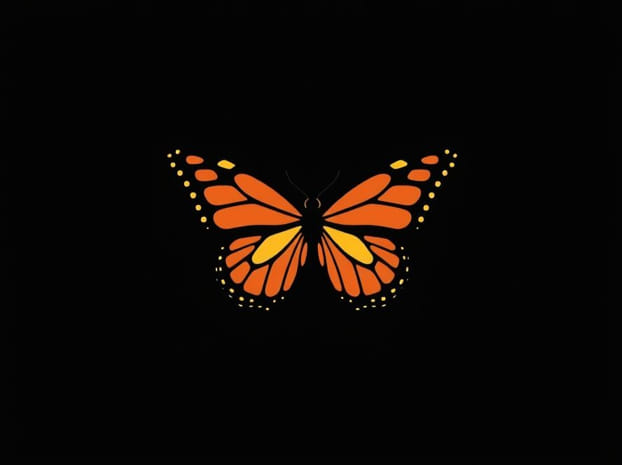
From Chrysalis To Butterfly
The transformation of a caterpillar into a butterfly is one of nature’s most fascinating and visually stunning processes. This journey from chrysalis to butterfly showcases the marvels of metamorphosis, a biological process in which a larva completely reorganizes into an adult insect. Observing this transformation allows people to appreciate the complexity of life, the adaptability of organisms, and the intricate balance of ecosystems. From the protective casing of the chrysalis to the emergence of vibrant wings, this process demonstrates how living organisms grow, adapt, and prepare for survival in a constantly changing environment.
The Chrysalis Stage
Before a caterpillar becomes a butterfly, it must enter the chrysalis stage, also known as the pupal stage. During this phase, the caterpillar forms a hardened outer shell that shields it from predators and environmental threats. Inside the chrysalis, the caterpillar’s body undergoes profound changes. Cells break down and reorganize to form the wings, legs, antennae, and other structures of the adult butterfly. The chrysalis stage is a period of both vulnerability and remarkable development, as the organism is immobile but internally transforming at a rapid pace.
Structure and Protection
- The chrysalis is usually attached to a branch, leaf, or other stable surface using silk threads.
- Its outer layer provides protection against physical damage and dehydration.
- Coloration may help camouflage the pupa from predators.
- Internal development involves reorganization of caterpillar tissues into adult structures.
- Duration varies from several days to weeks depending on species and environmental conditions.
Internal Changes During Metamorphosis
Inside the chrysalis, the caterpillar’s body experiences dramatic transformations. Specialized cells called imaginal discs, which were dormant during the larval stage, begin developing into adult organs and appendages. Simultaneously, caterpillar tissues break down into nutrient-rich fluids that feed the growing adult structures. This process is complex and finely regulated, ensuring that the butterfly emerges with fully functional wings, sensory organs, and reproductive systems. Hormones play a critical role in controlling timing, growth, and differentiation of tissues during metamorphosis.
Biological Processes
- Cellular breakdown and reorganization of larval tissues.
- Development of wings, antennae, legs, and other adult structures from imaginal discs.
- Hormonal regulation of growth and timing of metamorphosis.
- Formation of pigment patterns and wing structures for camouflage and signaling.
- Preparation of musculature and internal organs for flight and adult life.
The Emergence of the Butterfly
Once metamorphosis is complete, the adult butterfly begins the process of emerging from the chrysalis. This moment is known as eclosion. The butterfly must carefully break open the hardened casing and slowly extract its body and wings. Initially, the wings are soft, crumpled, and wet. The butterfly pumps hemolymph (a fluid equivalent to blood) into the wings to expand and straighten them. This period is critical, as the wings must harden and dry before the butterfly can take its first flight. Successful emergence marks the culmination of weeks of intricate development inside the chrysalis.
Wing Expansion and Hardening
- Butterfly inflates its wings using body fluids for proper size and shape.
- Wings gradually harden and become strong enough for flight.
- Color patterns become fully visible once the wings are dry.
- The butterfly rests to recover strength before leaving the chrysalis site.
- Timing is essential to avoid predators and environmental hazards during this vulnerable stage.
Behavior and Survival as an Adult
After emerging, the butterfly begins its adult life, focusing on survival, feeding, and reproduction. Adults feed primarily on nectar, using a long, coiled proboscis to extract nutrients from flowers. The vibrant colors and patterns on their wings serve multiple purposes, including attracting mates, warning predators, and providing camouflage. Adult butterflies are also essential pollinators, transferring pollen between plants as they feed, contributing to ecological balance. Despite their fragile appearance, butterflies are remarkably adapted to finding food, evading predators, and reproducing to continue the cycle of life.
Ecological Roles
- Pollinate flowers, aiding in plant reproduction.
- Serve as prey for birds, spiders, and other predators.
- Signal environmental health and biodiversity through their presence.
- Display behaviors for mate selection, territory establishment, and migration.
- Maintain population dynamics within ecosystems by completing the life cycle.
Factors Affecting Successful Metamorphosis
The journey from chrysalis to butterfly is influenced by various environmental and biological factors. Temperature, humidity, light, and availability of food sources all play critical roles in development. Predators and parasites can threaten both the chrysalis and adult stages, impacting survival rates. Human activities, such as habitat destruction or pesticide use, may also interfere with the life cycle. Conservation efforts, including the creation of butterfly gardens and protected habitats, help ensure that butterflies can successfully complete their metamorphosis and contribute to ecosystem health.
Environmental Considerations
- Temperature and humidity affect the speed of development inside the chrysalis.
- Availability of host plants and nectar sources supports larval and adult stages.
- Protection from predators and parasites increases survival chances.
- Minimizing pesticide use and habitat disruption helps maintain healthy populations.
- Creating butterfly-friendly habitats encourages successful reproduction and emergence.
Observing the Transformation
Watching a caterpillar transform into a butterfly offers a unique educational and aesthetic experience. This process demonstrates growth, adaptation, and the resilience of living organisms. Gardeners, students, and nature enthusiasts can observe metamorphosis by providing host plants and safe environments for caterpillars to pupate. Documenting the stages from chrysalis to butterfly can enhance understanding of biology, behavior, and ecology. Observing this transformation fosters appreciation for the complexity and beauty of nature while promoting environmental stewardship.
Tips for Observation
- Plant native host species for caterpillars to feed and pupate safely.
- Provide shelter from extreme weather and predators during the chrysalis stage.
- Observe without touching to avoid damaging delicate structures.
- Keep a journal or take photographs to track developmental stages.
- Encourage educational discussions about life cycles, adaptation, and ecological importance.
The process from chrysalis to butterfly exemplifies the remarkable phenomenon of metamorphosis, showcasing nature’s capacity for transformation and renewal. Each stage, from pupation to emergence and flight, illustrates biological intricacy and ecological interconnectedness. By observing and understanding this journey, people gain insight into life cycles, survival strategies, and environmental relationships. The emergence of a butterfly from a chrysalis is more than a visual spectacle; it represents adaptation, resilience, and the ongoing wonder of the natural world, inspiring both curiosity and respect for the living creatures that surround us.