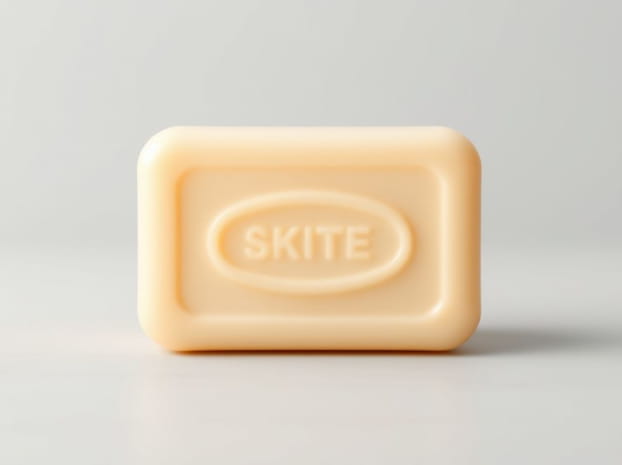
From A Bar Of Soap
From a bar of soap, countless stories of cleanliness, health, and creativity begin. Something so small and ordinary has been part of human life for centuries, quietly shaping routines and traditions. A bar of soap is not only about washing away dirt but also about comfort, healing, fragrance, and even art. Its presence in homes, schools, hotels, and hospitals reminds us how essential this simple item is. By looking closely at what can be made, learned, and experienced from a bar of soap, we uncover surprising connections to hygiene, history, and daily life.
The History of Soap
The story of soap goes back thousands of years. Ancient Babylonians were among the first to create a basic form of soap using animal fats and ashes. Later, Egyptians and Romans developed more refined recipes for both personal hygiene and textile cleaning. In the Middle Ages, soap-making became a trade, with regions like Marseille and Aleppo gaining fame for their traditional methods. From a bar of soap, people in the past built industries and traditions that continue to influence how we clean ourselves today.
What Makes Up a Bar of Soap
A bar of soap is essentially a combination of fat or oil with an alkali, such as lye. This chemical process is known as saponification. Depending on the ingredients, a bar of soap can vary in hardness, lather, scent, and moisturizing ability. Modern soaps often include added fragrances, essential oils, herbal extracts, or exfoliating grains. From a bar of soap, you can discover not only chemistry but also craftsmanship that balances function with pleasure.
Practical Uses from a Bar of Soap
While the main purpose of soap is cleaning, there are many creative and practical uses that go beyond the bathroom. A simple bar of soap can become a versatile tool in the household.
Household Hacks
- Prevent foggy mirrorsRubbing soap on bathroom mirrors and wiping it clean can prevent fog after showers.
- Freshen drawersA scented bar of soap placed in a drawer keeps clothes smelling pleasant.
- Ease stuck zippersRubbing soap on a zipper track makes it glide more smoothly.
- Pest repellentSoap shavings in the garden can deter insects and small animals.
- Lubricate nails or screwsRunning nails or screws across a bar of soap makes them easier to drive into wood.
Health and Hygiene Benefits
From a bar of soap, health protection becomes accessible to everyone. Regular handwashing with soap is one of the simplest and most effective ways to prevent disease. During times of epidemics and pandemics, soap has been a frontline defense against viruses and bacteria. Unlike sanitizers, which may not remove dirt, soap breaks down oils and pathogens, allowing them to be rinsed away. For skin care, specific formulations like moisturizing soap or medicated soap help treat dryness, acne, and irritation.
Creativity from a Bar of Soap
Soap is not just about cleanliness; it can also spark creativity. Soap carving, for instance, is a craft enjoyed by both children and adults. Schools often use soap carving to introduce students to sculpting techniques because soap is soft, safe, and inexpensive. Artists use a bar of soap to shape animals, flowers, and abstract designs. In this way, something ordinary transforms into a medium for imagination.
Soap-Making as an Art
Homemade soap has become popular as a creative and sustainable hobby. By experimenting with oils, herbs, colors, and molds, people can design personalized bars for gifts or personal use. From a bar of soap, one can move to entire collections infused with lavender, coffee grounds, oatmeal, or citrus. This practice not only promotes artistry but also encourages eco-friendly alternatives to mass-produced products.
Cultural Significance of Soap
Soap carries cultural and symbolic meaning in many parts of the world. In some traditions, giving a bar of soap represents wishes for cleanliness, renewal, and good health. In literature and storytelling, soap often symbolizes transformation washing away the old and beginning anew. From a bar of soap, people connect personal rituals to wider cultural values of purity, care, and respectability.
Economic Importance
The soap industry has grown into a global market worth billions. From a bar of soap, factories, small businesses, and artisans sustain livelihoods. Large-scale production provides affordable hygiene products to millions, while niche brands focus on organic and handcrafted varieties. Soap has also been a critical part of humanitarian aid, distributed during disasters to improve hygiene conditions. Its affordability and effectiveness make it one of the most impactful products in public health history.
Environmental Considerations
Modern concerns about sustainability have also influenced soap-making. From a bar of soap, people are turning to eco-friendly choices that avoid plastic packaging. Unlike liquid soaps often sold in plastic bottles, bar soap usually comes in recyclable paper or no packaging at all. Additionally, natural soap formulations reduce the use of harsh chemicals that can harm waterways. Consumers increasingly value a simple bar of soap as part of environmentally conscious living.
Lessons from a Bar of Soap
Beyond its physical uses, a bar of soap can teach important lessons. In classrooms, teachers use soap to explain basic chemistry. In life, soap reminds us of the importance of small habits like handwashing that protect entire communities. It also teaches resourcefulness how something as simple as soap shavings can solve everyday problems. From a bar of soap, children learn responsibility, families share routines, and societies uphold public health.
Spiritual and Symbolic Interpretations
In addition to practical uses, soap carries spiritual symbolism. Ritual cleansing before prayer, meditation, or important ceremonies often involves washing with soap and water. It represents inner and outer purity. In some interpretations, soap is seen as a symbol of renewal and preparation, helping individuals clear away negativity before starting fresh. From a bar of soap, the act of washing becomes more than hygiene; it becomes a ritual of transformation.
Future of Soap
The future of soap-making continues to evolve with technology and environmental awareness. Innovations in biodegradable packaging, cruelty-free testing, and natural ingredients are shaping the next generation of products. From a bar of soap, people will likely continue finding ways to combine tradition with innovation. New designs, infused health benefits, and eco-friendly approaches ensure that this timeless product remains relevant for generations to come.
From a bar of soap, we discover far more than a cleaning tool. It is a piece of history, a protector of health, a source of creativity, and a symbol of renewal. Its simplicity hides the many ways it enriches lives, from daily hygiene to cultural traditions, from artistic expression to environmental sustainability. In every home, hospital, or classroom, a bar of soap stands quietly as a reminder of how something small can have a profound impact. Whether used for washing, carving, gifting, or teaching, this humble object continues to shape human life in ways both ordinary and extraordinary.