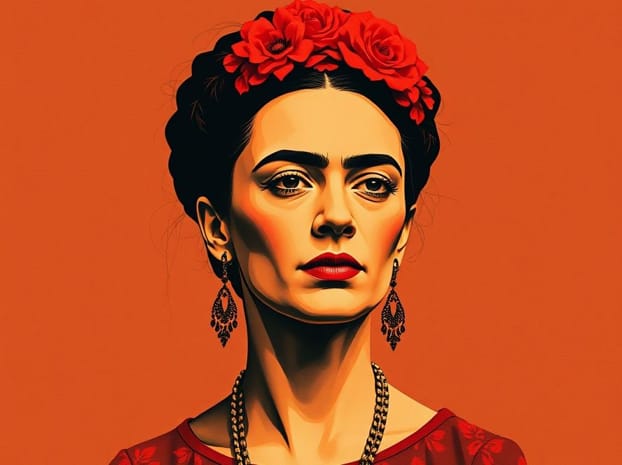
Frida Kahlo Self Portrait
Frida Kahlo’s self-portraits are among the most iconic and widely recognized works in modern art, reflecting not only her mastery of visual expression but also the depth of her personal experiences, struggles, and emotions. Born in Mexico in 1907, Kahlo used self-portraiture as a medium to explore themes of identity, pain, gender, and cultural heritage. Her self-portraits are more than visual depictions; they are a window into her inner world, showcasing the complexity of her life, including physical suffering, emotional turmoil, and a strong sense of individuality. Each painting is infused with symbolism, vibrant colors, and unique motifs that continue to captivate art lovers and historians around the world.
The Significance of Frida Kahlo’s Self-Portraits
Frida Kahlo’s self-portraits serve as an intimate reflection of her personal experiences, particularly her lifelong struggle with health problems and injuries sustained from a bus accident during her teenage years. Through her artwork, she transformed physical pain into creative expression, allowing viewers to understand her resilience and strength. Self-portraiture became a means for Kahlo to explore identity and personal narrative, offering a raw and honest portrayal of her inner life. Beyond the personal dimension, her paintings communicate universal themes such as suffering, love, resilience, and cultural pride, making them profoundly impactful.
Exploring Identity and Emotion
Kahlo’s self-portraits are deeply intertwined with her identity as a Mexican woman, an artist, and a person experiencing chronic pain. She frequently included elements of Mexican culture, such as traditional Tehuana clothing, indigenous jewelry, and vibrant flora and fauna. These cultural references celebrate her heritage while asserting her individuality in a male-dominated art world. Emotionally, her self-portraits convey vulnerability, strength, and introspection. Through her direct gaze, symbolic imagery, and expressive color palette, Kahlo invites viewers to connect with her experiences and empathize with the complexities of her life.
Famous Self-Portraits by Frida Kahlo
Frida Kahlo created numerous self-portraits throughout her artistic career, each with its own story and symbolism. Some of her most famous works include
- The Two Fridas (1939)This double self-portrait depicts two versions of Kahlo sitting side by side, connected by a vein that symbolizes emotional and physical pain following her divorce from Diego Rivera. It explores themes of duality, identity, and heartbreak.
- Self-Portrait with Thorn Necklace and Hummingbird (1940)In this painting, Kahlo portrays herself with a thorn necklace and a dead hummingbird, representing suffering, resilience, and hope. The tropical background emphasizes her connection to Mexican culture.
- Self-Portrait with Cropped Hair (1940)After her separation from Rivera, Kahlo painted herself with short hair, holding a pair of scissors. This self-portrait symbolizes independence, liberation, and defiance of societal expectations regarding femininity.
- Self-Portrait Dedicated to Dr. Eloesser (1940s)This portrait was painted for her doctor and friend, reflecting her physical pain and reliance on medical care. It shows the intersection of vulnerability and resilience in her life.
The Symbolism in Frida Kahlo’s Self-Portraits
Kahlo’s self-portraits are rich with symbolic elements that communicate complex ideas and emotions. Animals such as monkeys, dogs, and birds often appear as companions or symbolic representations of personal relationships and emotions. The use of thorns, blood, and broken body parts reflects her physical suffering and emotional pain. Flowers, vibrant colors, and traditional Mexican motifs convey vitality, cultural identity, and personal expression. This intricate symbolism allows each self-portrait to tell a layered story, inviting viewers to interpret and engage with her experiences on multiple levels.
The Role of Color and Composition
Color plays a critical role in Kahlo’s self-portraits, often conveying mood, emotion, and symbolism. Bright, saturated hues reflect her connection to Mexican culture, while darker tones emphasize pain, introspection, or melancholy. Composition is equally important; Kahlo frequently centers herself in the frame, using direct gaze to establish a sense of confrontation and engagement with the viewer. Her meticulous attention to detail in background elements and accessories adds narrative depth, enhancing the storytelling aspect of her art.
Influence and Legacy
Frida Kahlo’s self-portraits have had a profound influence on both contemporary art and popular culture. She is celebrated as a feminist icon, as her works challenge gender norms and explore the female experience with honesty and courage. Kahlo’s integration of personal narrative, cultural symbolism, and emotional depth paved the way for future generations of artists to explore identity, body, and emotion in their own work. Museums and galleries worldwide showcase her self-portraits, and her life and art continue to inspire books, films, and exhibitions, solidifying her status as a cultural and artistic legend.
Kahlo’s Artistic Techniques
Kahlo’s self-portraits demonstrate technical mastery across multiple aspects of painting. She often employed oil on canvas with precise brushwork and attention to detail. Her use of surrealist elements, while not fully aligned with the surrealist movement, creates a dreamlike quality that emphasizes psychological and emotional depth. Frida combined realism with symbolism, making her self-portraits both visually compelling and intellectually stimulating. These techniques contribute to the timeless appeal of her work and the continued fascination of art enthusiasts.
Personal and Emotional Expression
Beyond technique and symbolism, Kahlo’s self-portraits are deeply personal documents of her life. They reflect her physical suffering, emotional struggles, and moments of introspection. Through her art, she processed experiences such as illness, accidents, and complex relationships, turning personal trauma into creative expression. Each portrait is a testament to her resilience, courage, and unwavering commitment to authenticity. This emotional honesty resonates with viewers, allowing them to connect with her humanity and experience empathy through art.
Collecting and Exhibiting Kahlo’s Self-Portraits
Frida Kahlo’s self-portraits are highly sought after by collectors and are displayed in major museums worldwide, including the Museo Frida Kahlo in Mexico City and prominent art institutions in the United States and Europe. Exhibitions often focus on both her artistic techniques and the emotional and cultural significance of her work. The enduring popularity of her self-portraits reflects their universal appeal, bridging historical context with contemporary relevance and inspiring ongoing scholarship and public interest.
Frida Kahlo’s self-portraits are more than artistic creations; they are powerful narratives of identity, culture, emotion, and resilience. Through symbolism, color, composition, and personal storytelling, she created works that continue to captivate and inspire audiences worldwide. Her legacy extends beyond the art world, influencing cultural discourse, feminist thought, and popular imagination. By studying and appreciating her self-portraits, viewers gain insight not only into Kahlo’s life and experiences but also into broader human themes of suffering, strength, and self-expression. These portraits remain timeless testaments to her extraordinary vision and the enduring power of art to communicate deeply personal and universal truths.