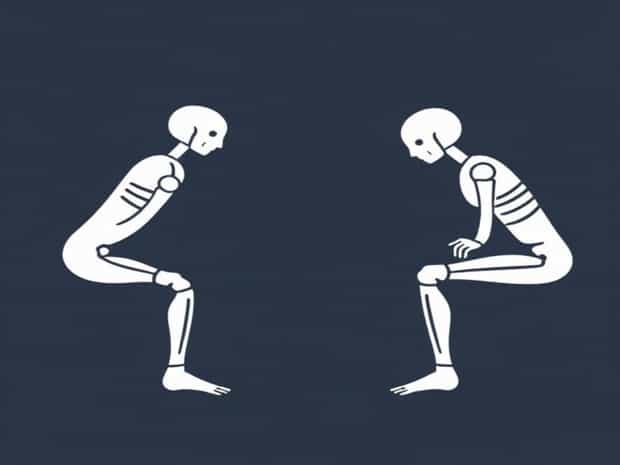
Freely Movable Joints Examples
The human body is an intricate network of bones, muscles, and connective tissues that work together to facilitate movement. Among the most crucial components for mobility are freely movable joints, also known as synovial joints. These joints allow a wide range of movements, providing flexibility, stability, and the ability to perform complex motions. Understanding freely movable joints, their types, and examples is essential for students of anatomy, fitness enthusiasts, and anyone interested in maintaining musculoskeletal health. These joints are fundamental not only for daily activities but also for athletic performance and overall body function.
What Are Freely Movable Joints?
Freely movable joints are specialized structures that connect bones while allowing significant movement. They are characterized by the presence of a joint capsule, synovial fluid, cartilage, and ligaments, all of which work together to reduce friction, absorb shock, and maintain stability. Unlike immovable joints, which restrict movement, or slightly movable joints that allow minimal motion, freely movable joints provide the full range of motion necessary for activities such as walking, running, lifting, and rotating. These joints are vital for the skeletal system, as they balance flexibility with structural integrity.
Anatomy of Freely Movable Joints
The structure of a freely movable joint includes several key components
- Articular CartilageA smooth, slippery layer covering the ends of bones to reduce friction and absorb shock during movement.
- Joint CapsuleA fibrous sac that encloses the joint, providing stability while allowing flexibility.
- Synovial MembraneA thin lining inside the joint capsule that produces synovial fluid for lubrication.
- Synovial FluidA viscous fluid that reduces friction between bones and nourishes cartilage.
- LigamentsStrong connective tissues that connect bones and stabilize the joint while permitting movement.
- TendonsConnect muscles to bones, enabling movement across the joint.
Types of Freely Movable Joints
Freely movable joints are classified based on the type and range of motion they allow. Understanding these types helps identify examples and their functions in the human body.
1. Ball-and-Socket Joints
Ball-and-socket joints allow the greatest range of movement, including rotation, forward and backward motion, and side-to-side movement. The spherical head of one bone fits into a cup-like socket of another bone, providing multi-directional flexibility.
- ExamplesShoulder joint (glenohumeral joint) and hip joint (acetabulofemoral joint).
- FunctionEnable arm and leg movements, such as swinging, rotating, and lifting.
2. Hinge Joints
Hinge joints function similarly to a door hinge, permitting movement primarily in one plane flexion and extension. They are highly stable due to strong ligaments surrounding the joint.
- ExamplesElbow joint (between humerus and ulna) and knee joint (between femur and tibia).
- FunctionFacilitate bending and straightening of arms and legs.
3. Pivot Joints
Pivot joints allow rotational movement around a single axis. One bone rotates within a ring formed by another bone and ligaments, providing rotational mobility.
- ExamplesAtlas and axis joint in the neck (C1 and C2 vertebrae), proximal radioulnar joint in the forearm.
- FunctionEnable head rotation and forearm pronation and supination.
4. Saddle Joints
Saddle joints resemble a rider sitting on a saddle, allowing movement in two planes back-and-forth and side-to-side. They provide stability while permitting a high degree of flexibility.
- ExamplesCarpometacarpal joint of the thumb.
- FunctionFacilitate gripping and opposition of the thumb, essential for fine motor skills.
5. Condyloid (Ellipsoid) Joints
Condyloid joints allow movement in two planes without rotation. The oval-shaped end of one bone fits into a shallow depression of another bone, enabling flexion, extension, abduction, and adduction.
- ExamplesWrist joint (radiocarpal joint), metacarpophalangeal joints of fingers.
- FunctionProvide versatility in hand and finger movements, critical for writing, typing, and grasping objects.
6. Gliding (Plane) Joints
Gliding joints permit sliding or twisting movements between flat or slightly curved bone surfaces. Although the range of motion is limited, these joints are crucial for flexibility and shock absorption.
- ExamplesIntercarpal joints in the wrist, intertarsal joints in the ankle, and joints between vertebrae.
- FunctionAllow subtle adjustments in posture, balance, and alignment of bones.
Functions and Importance
Freely movable joints are essential for performing everyday activities and specialized tasks. They provide the mobility necessary for walking, running, lifting, typing, and many other actions. Additionally, these joints absorb mechanical stress, protect bones from wear and tear, and facilitate coordinated movements. Maintaining healthy joints is crucial for overall musculoskeletal health and preventing conditions such as arthritis, joint stiffness, and mobility loss. Regular exercise, proper nutrition, and avoiding injury contribute to the longevity and functionality of these joints.
Health Considerations
- Maintain flexibility and strength through stretching and resistance exercises.
- Avoid excessive repetitive stress to prevent joint wear and injury.
- Consume a diet rich in calcium, vitamin D, and omega-3 fatty acids for bone and joint health.
- Stay hydrated to ensure optimal synovial fluid function.
- Seek medical advice for joint pain or restricted movement to prevent long-term damage.
Freely movable joints play a fundamental role in human anatomy, providing the flexibility and range of motion necessary for complex and everyday movements. Understanding examples such as ball-and-socket, hinge, pivot, saddle, condyloid, and gliding joints offers insight into the versatility and functionality of the musculoskeletal system. These joints not only enable mobility but also contribute to balance, coordination, and overall quality of life. Prioritizing joint health through exercise, proper nutrition, and mindful activity ensures that these essential components continue to function effectively, supporting both physical performance and daily living.