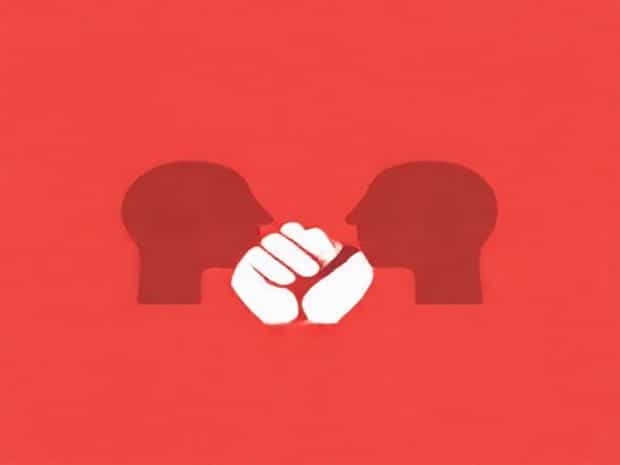
Freedom Of Speech And Expression
Freedom of speech and expression is one of the most essential rights in any democratic society. It allows individuals to voice their opinions, share ideas, and participate in meaningful discussions without fear of censorship or punishment. This principle has been a cornerstone of progress throughout history, encouraging people to challenge injustice, inspire social change, and promote diversity of thought. Without the ability to freely express ourselves, societies risk stagnation, authoritarianism, and the silencing of important voices. Understanding the scope, significance, and limitations of freedom of expression is vital for appreciating how it shapes human interaction and collective growth.
The Meaning of Freedom of Speech and Expression
Freedom of speech and expression refers to the right of individuals to communicate their thoughts, beliefs, and opinions openly. It encompasses not only spoken and written words but also artistic creations, symbolic gestures, and digital communication. This right ensures that people can discuss sensitive or controversial topics, question those in power, and contribute to cultural and political development.
Core Elements of Freedom
- SpeechThe ability to communicate verbally or in writing without undue restriction.
- ExpressionBroader than speech, this includes art, performance, and non-verbal communication.
- Access to InformationThe right to seek, receive, and share information freely.
- ParticipationThe opportunity to engage in debates, protests, and public discussions.
Historical Roots of Free Expression
The idea of freedom of expression can be traced back to ancient civilizations. In ancient Greece, philosophers like Socrates and Aristotle emphasized open dialogue and critical thought. Later, during the Enlightenment in Europe, thinkers such as John Locke and Voltaire argued that free expression was essential for reason and progress. The principle was eventually embedded in key political documents, including the United States Constitution’s First Amendment and the Universal Declaration of Human Rights adopted by the United Nations.
Evolution Across Societies
While many countries today uphold the right to free speech, its interpretation varies. Some nations grant broad protections, while others impose restrictions based on cultural, political, or religious factors. The historical struggle for free expression shows how societies continuously balance liberty with order, often reshaping the meaning of this right according to their values and experiences.
The Importance of Freedom of Speech and Expression
Free speech is more than just the right to talk; it is a foundation for human dignity, democracy, and innovation. When individuals are free to express themselves, they contribute to an environment where truth can be discovered, creativity can flourish, and injustices can be challenged.
Key Benefits
- Encourages democracyCitizens can hold leaders accountable and participate in governance.
- Supports innovationOpen discussion fosters creativity in science, technology, and the arts.
- Protects individual dignityExpression allows people to assert their identity and beliefs.
- Promotes toleranceExposure to diverse opinions can build mutual understanding and respect.
Challenges and Limitations
Although freedom of expression is crucial, it is not absolute. Most societies impose certain restrictions to prevent harm, maintain order, and protect vulnerable groups. The difficulty lies in finding the right balance between protecting free speech and preventing misuse.
Common Restrictions
- Hate speechExpression that incites violence or discrimination against individuals or groups.
- DefamationFalse statements that damage a person’s reputation.
- ObscenityMaterials deemed offensive to public morals.
- National securityLimiting speech that could endanger public safety or state stability.
These limitations highlight the ongoing debate between absolute freedom and responsible expression. While some argue that even offensive speech should be protected, others emphasize the need to safeguard communities from harm.
Freedom of Expression in the Digital Age
The rise of the internet and social media has transformed how people exercise their right to expression. Platforms such as Twitter, Facebook, and YouTube allow millions to share their voices instantly. However, this also introduces new challenges, including the spread of misinformation, cyberbullying, and online censorship.
Opportunities in the Digital Space
Digital platforms have given marginalized communities opportunities to be heard, organize movements, and reach global audiences. Campaigns for social justice, environmental awareness, and human rights have gained momentum thanks to the accessibility of online expression.
Risks in the Digital Environment
At the same time, unregulated online speech can fuel hate campaigns, political manipulation, and false narratives. Governments and technology companies struggle to find a balance between protecting free expression and preventing online harm.
Global Perspectives on Free Speech
Different countries approach freedom of speech and expression in diverse ways. In liberal democracies, the right is generally protected but balanced with regulations against harmful content. In more restrictive regimes, freedom of expression may be curtailed to maintain political control or social harmony. This global variation demonstrates that the principle, while universal in theory, is shaped by local values, laws, and traditions.
Examples of Varied Approaches
- United StatesStrong protections under the First Amendment, with limited restrictions.
- European UnionSupports free expression but enforces strict laws against hate speech.
- Authoritarian StatesOften restrict expression to suppress dissent and control information.
Balancing Freedom and Responsibility
Freedom of speech and expression carries with it a responsibility. Exercising this right wisely means respecting the rights of others, engaging in constructive dialogue, and avoiding harm. It is not only a legal issue but also an ethical one, requiring individuals to use their freedom for positive contributions to society.
Practical Ways to Balance
- Promote respectful dialogue, even when disagreements arise.
- Avoid spreading false or harmful information.
- Defend the rights of others to speak, even if opinions differ.
- Encourage education about media literacy and critical thinking.
Freedom of speech and expression remains one of the most powerful tools for human progress. It empowers individuals, strengthens democracy, and nurtures creativity. Yet, it also brings challenges that require careful navigation, especially in the digital era. The balance between liberty and responsibility is not always easy to achieve, but it is essential for building societies that are open, just, and resilient. By valuing free expression while promoting respect and responsibility, we can ensure that this fundamental right continues to enrich our lives and future generations.