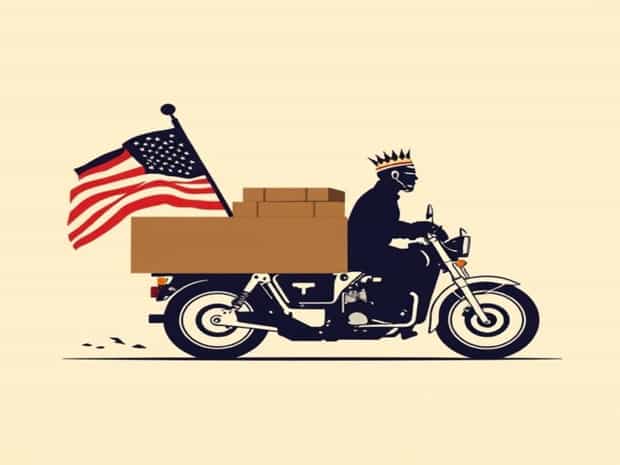
Freedom Convoy Pat King
Pat King emerged as one of the most prominent figures during Canada’s 2022 Freedom Convoy” protests, which began as a demonstration against COVID-19 vaccine mandates for truckers but quickly expanded to encompass broader anti-government sentiments. His role in the movement, characterized by his vocal opposition to public health measures and his use of social media to mobilize supporters, made him a central figure in the controversy surrounding the protests. This topic delves into Pat King’s background, his involvement in the Freedom Convoy, the legal proceedings that followed, and the implications of his actions on Canadian society.
Background and Activism
Born in 1977 in Sault Ste. Marie, Ontario, Patrick James King, commonly known as Pat King, is a Canadian activist with a history of involvement in right-wing movements. Prior to the Freedom Convoy, King was active in various protests, including the “United We Roll” movement in 2019, which advocated for the oil and gas industry and opposed carbon tax policies. He also played a role in the “Wexit” movement, which sought the secession of Western Canadian provinces from the rest of the country. King’s activism has often been characterized by his outspoken views and use of social media platforms to disseminate his messages. His Facebook profile had amassed over 341,000 followers by July 2023, indicating his significant online presence and influence within certain circles.
Role in the Freedom Convoy
The Freedom Convoy protests began in late January 2022, with truckers and their supporters converging on Ottawa to protest against the federal government’s COVID-19 vaccine mandates for cross-border truck drivers. The movement quickly garnered national attention as it expanded to include broader anti-government and anti-mandate messages. Pat King emerged as one of the leading organizers, using his social media platforms to coordinate actions and mobilize supporters. He was involved in planning logistics, organizing rallies, and delivering speeches that resonated with many who felt their freedoms were being infringed upon by government-imposed health measures.
King’s participation in the protests was marked by his provocative rhetoric and calls for civil disobedience. He was known for encouraging demonstrators to remain in Ottawa and continue their protests, despite legal orders to disperse. His actions contributed to the prolonged occupation of downtown Ottawa, which disrupted daily life, local businesses, and government operations. The protests also led to blockades at key border crossings, further escalating tensions between protesters and authorities.
Legal Proceedings and Conviction
Following the conclusion of the Freedom Convoy protests, law enforcement agencies initiated investigations into the activities of key organizers, including Pat King. On February 18, 2022, King was arrested during a police operation aimed at ending the occupation in Ottawa. He was charged with multiple offenses, including mischief, counseling to commit mischief, obstruction of justice, counseling to disobey a court order, and counseling to obstruct police. These charges stemmed from his role in organizing and promoting the protests, as well as his actions during the demonstrations.
King’s trial commenced in November 2023, and on November 22, 2024, he was found guilty on five counts mischief, counseling to commit mischief, and disobeying a court order. He was acquitted on three charges, including intimidation and obstruction of a public officer. In February 2025, King was sentenced to a three-month conditional sentence, which included house arrest, 100 hours of community service at a food bank or men’s shelter, and one year of probation. This sentence was in addition to the nine months he had already served in custody before and during his trial. The Crown had initially sought a 10-year prison sentence, but the court determined that the conditional sentence was more appropriate, considering King’s prior time served and the nature of his offenses.
Implications and Public Reaction
Pat King’s involvement in the Freedom Convoy and his subsequent conviction have sparked widespread debate across Canada. Supporters view him as a champion of individual freedoms and a vocal critic of government overreach, while detractors see him as a promoter of misinformation and a catalyst for civil unrest. The protests themselves highlighted deep divisions within Canadian society regarding public health measures, government authority, and personal liberties.
The legal outcomes of the Freedom Convoy organizers, including Pat King, have also raised questions about the balance between the right to protest and the need to maintain public order. While Canada upholds the right to peaceful assembly, the disruptions caused by the protests led to significant economic and social consequences, prompting discussions about the limits of protest activities and the responsibilities of organizers.
In the aftermath, some of the key figures involved in the Freedom Convoy, such as Tamara Lich and Chris Barber, faced legal challenges and potential prison sentences for their roles in the protests. These cases have further fueled debates about political dissent, accountability, and the legal boundaries of protest in Canada.
Pat King’s role in the Freedom Convoy underscores the complexities surrounding civil disobedience and the exercise of democratic rights in the context of public health crises. His actions and the subsequent legal proceedings serve as a case study in balancing individual freedoms with societal responsibilities. As Canada continues to navigate the challenges posed by the COVID-19 pandemic and its aftermath, the lessons learned from the Freedom Convoy protests will likely influence future discussions on governance, public health policy, and the rights of citizens to express dissent.