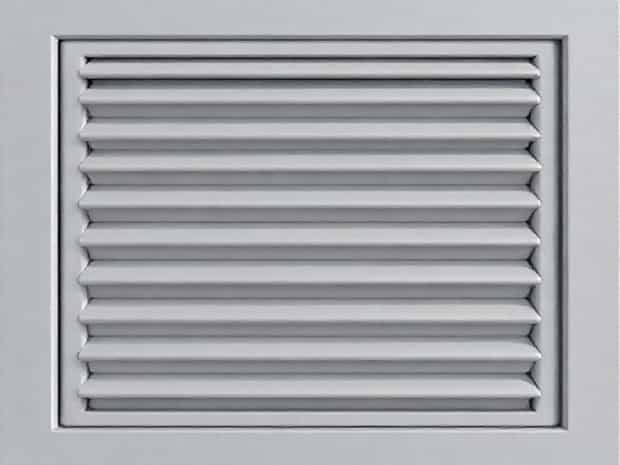
Free Area Of Louver
The free area of a louver is a critical concept in ventilation design, playing a significant role in determining airflow efficiency, pressure loss, and overall system performance. Louvers are architectural and mechanical components that allow air to pass through while preventing the entry of unwanted elements like rain, debris, or sunlight. The free area refers specifically to the portion of the louver that is unobstructed and available for airflow. Understanding this measurement is essential for engineers, architects, and HVAC professionals to ensure that the installed louver meets the airflow requirements without causing excessive pressure drop or energy inefficiency. Proper calculation and selection of louvers directly impact building comfort, energy costs, and the longevity of mechanical systems.
Definition and Importance of Free Area
The free area of a louver is the net open space through which air can flow, expressed as a percentage of the total louver face or as an absolute measurement in square inches or square meters. Unlike the total louver size, which includes blades, frames, and other structural components, the free area focuses only on the unobstructed portion that contributes to airflow. This parameter is vital because it determines how much air can pass through the louver for a given pressure, directly influencing HVAC system efficiency and building ventilation performance.
Factors Affecting Free Area
- Louver Blade DesignThe shape, spacing, and angle of blades affect the free area. Wider spacing and thinner blades generally increase free area.
- Frame SizeThe size of the louver frame reduces the effective opening, lowering the free area percentage.
- Insect or Weather ScreensProtective screens can significantly reduce free area while serving functional purposes like keeping out pests or rain.
- Blade OverlapLouvers often have overlapping blades to prevent water ingress, which can reduce the free area compared to the total louver face.
Calculating Free Area
Accurate calculation of louver free area is essential for designing an efficient ventilation system. The free area can be expressed as a percentage of the total louver face or as an absolute measurement, and it is influenced by blade geometry and spacing. Manufacturers often provide free area specifications, but for custom designs or verification, engineers calculate it using precise measurements and formulas.
Methods of Calculation
- Manufacturer SpecificationsMost louver manufacturers provide free area data for standard models based on airflow testing and blade design.
- Geometric CalculationUsing blade dimensions, spacing, and louver face size, the free area can be calculated using the formulaFree Area = Number of openings à Opening area per blade.
- Testing and SimulationComputational fluid dynamics (CFD) or wind tunnel testing can provide an accurate assessment of free area and airflow characteristics.
Applications of Louver Free Area
The free area of a louver impacts several key areas in building design and mechanical systems. In HVAC systems, it affects airflow rates, pressure drops, and energy efficiency. In architectural applications, it influences ventilation effectiveness, indoor air quality, and the prevention of water ingress. Proper consideration of free area ensures that ventilation openings meet performance requirements without overburdening fans or duct systems, which can lead to higher operational costs.
HVAC Systems
In heating, ventilation, and air conditioning, free area is critical for determining the correct louver size to achieve desired airflow rates. An inadequate free area can cause pressure drop, leading to reduced air movement, increased energy consumption, and potential system strain. Engineers must select louvers with sufficient free area to match the system’s cubic feet per minute (CFM) requirements.
Architectural and Industrial Applications
- Exterior louvers for building facades must balance airflow with weather protection, often requiring calculation of effective free area to ensure natural ventilation.
- Industrial ventilation systems, such as exhaust or intake louvers, rely on accurate free area measurements to maintain environmental control, temperature regulation, and air quality standards.
- Specialized applications like noise reduction or solar shading can influence louver design, potentially reducing free area, which must be accounted for in overall system planning.
Factors to Consider When Selecting Louvers
Selecting the correct louver involves balancing airflow requirements, pressure drop, environmental protection, and aesthetic considerations. The free area is one of the primary factors that engineers evaluate to ensure optimal performance. Oversizing or undersizing the louver can result in inefficiencies or mechanical issues.
Selection Guidelines
- Determine required airflow and corresponding louver size based on system specifications.
- Consider blade type, spacing, and angle to maximize free area while maintaining protection against rain or debris.
- Account for additional restrictions such as screens or filters that reduce effective free area.
- Evaluate pressure drop using free area data to ensure fans or other equipment can handle the load efficiently.
- Ensure compliance with building codes and safety standards related to ventilation and weatherproofing.
Impact on Energy Efficiency
Louver free area directly affects the energy efficiency of mechanical systems. A smaller free area results in higher resistance to airflow, forcing fans or blowers to work harder to maintain the desired flow rate. This increased energy consumption can lead to higher operational costs and increased wear on mechanical components. Conversely, a louver with an appropriate free area allows smooth airflow with minimal pressure drop, enhancing overall system efficiency.
Strategies to Optimize Efficiency
- Select louvers with high free area percentages without compromising weather protection.
- Minimize additional restrictions such as heavy screens or tight mesh when possible.
- Use computational tools to simulate airflow and adjust louver design for maximum efficiency.
- Ensure regular maintenance to prevent blockage or buildup that reduces effective free area.
Maintenance and Considerations
Maintaining the free area of a louver involves regular inspection and cleaning to remove debris, dust, or vegetation that can obstruct airflow. In addition, louvers exposed to harsh weather conditions may require protective coatings or periodic replacement of damaged components. Ensuring that the free area remains consistent over time is essential for maintaining system performance and efficiency.
Maintenance Tips
- Inspect louvers periodically for debris, dirt, or damage.
- Clean louvers gently using water and mild detergent to avoid corrosion or damage.
- Check screens or filters that may reduce free area and clean or replace as needed.
- Monitor airflow and pressure to detect any loss of free area or obstruction issues.
The free area of a louver is a vital parameter that influences airflow, energy efficiency, and system performance in both architectural and mechanical applications. By understanding the factors that affect free area, calculating it accurately, and selecting louvers accordingly, engineers and designers can ensure optimal performance of ventilation systems. Proper attention to louver free area contributes to better indoor air quality, reduced operational costs, and effective protection against environmental elements. Regular maintenance and thoughtful design considerations help preserve the free area over time, making louvers an essential and reliable component in modern building and industrial ventilation solutions.