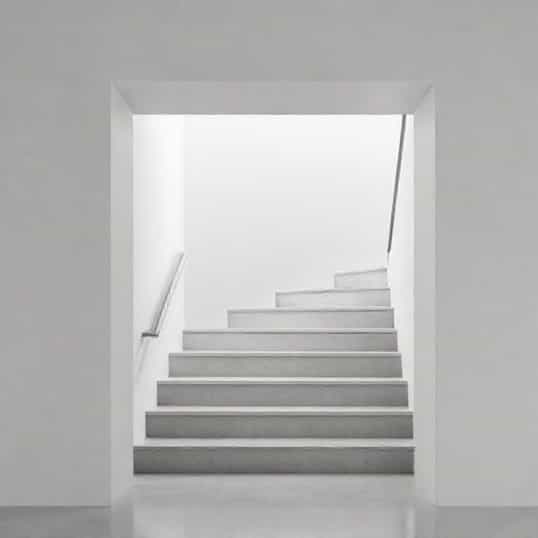
Framing A Stairwell Opening
Framing a stairwell opening is a critical part of residential and commercial construction that ensures both structural integrity and safety. The stairwell opening must be carefully planned and constructed to accommodate the staircase while supporting the surrounding floor and walls. Proper framing prevents sagging, uneven steps, and potential hazards, while also allowing for aesthetic finishes. Understanding the techniques, materials, and measurements involved in framing a stairwell opening is essential for builders, carpenters, and DIY enthusiasts who want to create a safe and visually appealing staircase installation.
Understanding Stairwell Openings
A stairwell opening is the void in a floor where the staircase will be installed. It connects different levels of a building and provides a pathway for vertical movement. The size and placement of the opening are determined by the type of staircase, the height of the floor-to-floor distance, and local building codes. A poorly framed stairwell opening can compromise the staircase’s alignment, cause safety issues, and make it difficult to install handrails and other components properly.
Importance of Proper Framing
Proper framing of a stairwell opening is essential for multiple reasons
- Structural support Ensures the surrounding floor joists and headers carry the load safely.
- Safety Prevents accidents caused by uneven or unstable staircases.
- Compliance Meets local building codes and regulations for minimum width and headroom.
- Ease of installation Provides a precise guide for fitting the staircase, railings, and finishing materials.
Materials Needed for Framing
The materials used to frame a stairwell opening are typically standard lumber, fasteners, and support hardware. Commonly used materials include
- Lumber 2×8, 2×10, or 2×12 joists for floor support.
- Headers Engineered or solid wood beams to span the opening and carry the load.
- Nails or screws High-quality fasteners for securing joists and headers.
- Metal connectors or hangers Optional for added structural support and stability.
Choosing the right size and quality of materials is critical to ensure the stairwell opening remains strong and durable over time.
Steps to Frame a Stairwell Opening
Framing a stairwell opening involves precise measurements, cutting, and assembly. Here is a step-by-step guide
1. Planning and Measuring
Begin by determining the location and size of the stairwell. Measure the floor-to-floor height and the total run of the staircase. Ensure that the opening meets local building codes for width and headroom clearance. Mark the boundaries on the floor using chalk lines or a pencil.
2. Cutting Floor Joists
Once the measurements are established, cut the floor joists to create the opening. Ensure that the cuts are straight and accurate. Depending on the size of the opening, some joists may need to be doubled or reinforced to maintain structural integrity.
3. Installing Headers
Headers are installed perpendicular to the floor joists to support the cut joists around the opening. The header size should match the load requirements, which may vary based on the floor span and building structure. Secure the headers with nails or screws and use metal hangers if additional support is needed.
4. Adding Trimmers and Cripples
Trimmer joists are installed alongside the headers to support the edges of the opening. Cripple joists may be added under the header to transfer weight to supporting walls or beams. Ensure all components are level and flush to prevent any misalignment of the staircase.
5. Reinforcing and Checking Alignment
Once the framing is complete, check the alignment and level of the opening. Reinforce with additional fasteners or braces as necessary. This ensures that the staircase will fit properly and that the floor around the opening remains stable.
Safety Considerations
Framing a stairwell opening requires careful attention to safety. Workers should wear protective gear, including gloves and safety glasses, when cutting and handling lumber. Temporary barriers or covers should be installed over the opening to prevent falls until the staircase is installed. Additionally, ensure that the framing supports the maximum expected load to prevent accidents in the future.
Common Mistakes to Avoid
Several common mistakes can compromise the quality and safety of a stairwell opening
- Incorrect measurements Miscalculating the opening size can result in a staircase that doesn’t fit properly.
- Insufficient support Failing to properly install headers and trimmers can weaken the floor structure.
- Ignoring building codes Non-compliance with local regulations can lead to legal issues and safety hazards.
- Poor alignment Uneven or misaligned framing can cause stairs to be crooked or unsafe.
Finishing the Stairwell Opening
After framing, the stairwell opening should be finished to prepare for the staircase installation. This includes sanding rough edges, adding temporary protective barriers, and marking reference points for stair stringers. Proper finishing ensures that the staircase can be installed accurately and safely, providing a polished look and long-lasting durability.
Tips for a Successful Framing
- Double-check all measurements before cutting any joists.
- Use a level to ensure headers and trimmers are perfectly horizontal.
- Consider using engineered lumber for added strength in high-load areas.
- Consult building codes to verify minimum width and headroom requirements.
- Take time to reinforce corners and edges for maximum stability.
Framing a stairwell opening is a vital step in constructing a safe and functional staircase. Proper planning, accurate measurements, and careful installation of headers, trimmers, and joists ensure that the staircase will be stable and aesthetically pleasing. Attention to safety, adherence to building codes, and reinforcement of critical components prevent accidents and structural issues. By following the correct procedures, builders and DIY enthusiasts can create stairwell openings that are both durable and reliable, supporting a staircase that enhances the overall design and functionality of any building.