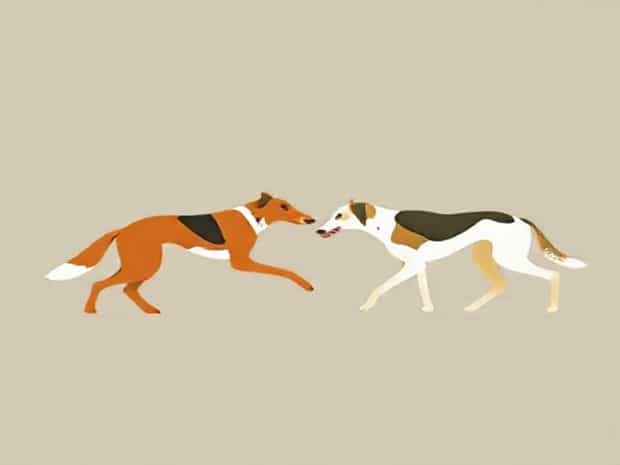
Foxhound Vs Treeing Walker Coonhound
The Foxhound and the Treeing Walker Coonhound are two distinct breeds of hound dogs that have captured the interest of hunters and dog enthusiasts alike. Both breeds share a strong hunting instinct, excellent scenting abilities, and a friendly disposition, yet they differ in appearance, history, and specialized skills. Understanding the nuances between these two breeds can help potential owners, hunters, or dog lovers make informed decisions about which breed suits their lifestyle and needs. From physical characteristics to behavior and hunting style, comparing the Foxhound and Treeing Walker Coonhound reveals the unique qualities that make each breed remarkable in its own right.
Origins and History
Foxhound
The Foxhound, particularly the English Foxhound, has a long and prestigious history dating back to 16th-century England. Developed for fox hunting, this breed was designed to work in packs and cover large distances over diverse terrains. The English Foxhound became renowned for its endurance, stamina, and keen sense of smell, traits that were essential for tracking foxes during hunts that could last for hours. In the United States, the American Foxhound emerged as a distinct variety, maintaining the hunting excellence of its English ancestor while adapting to the expansive landscapes of North America.
Treeing Walker Coonhound
The Treeing Walker Coonhound originated in the United States in the 19th century, primarily from a cross between the English Foxhound, the Walker Hound, and various other coonhounds. Bred specifically for raccoon hunting, this breed excelled in treeing game tracking and cornering raccoons in trees. Over time, the Treeing Walker Coonhound developed a reputation for speed, agility, and a melodious bay that helps hunters locate their dogs from a distance. Its American roots give it a unique combination of endurance and versatility in various hunting conditions.
Physical Characteristics
Size and Build
The Foxhound is a medium to large-sized dog, typically standing 21 to 25 inches at the shoulder and weighing between 65 and 75 pounds. It has a muscular build suited for endurance and long-distance running. The Foxhound’s body is slightly elongated with strong legs, a deep chest, and a balanced frame to support sustained physical activity during hunts.
The Treeing Walker Coonhound is slightly smaller and lighter, usually measuring 20 to 27 inches tall and weighing 50 to 70 pounds. It has a lean, athletic build optimized for speed and agility, allowing it to pursue raccoons efficiently through forests and uneven terrain. Its limbs are strong yet more refined compared to the Foxhound, providing a combination of swiftness and stamina.
Coat and Color
Foxhounds typically have a short, dense coat that offers protection against weather and brush while remaining easy to maintain. Common color patterns include tricolor (black, white, and tan) or bicolor combinations, depending on the variety. Their coat’s functionality is as important as appearance, designed to withstand harsh hunting environments.
Treeing Walker Coonhounds possess a short, glossy coat with striking tricolor patterns predominantly white with black and tan markings. Their coat is smooth and weather-resistant, enabling them to move comfortably through underbrush and inclement weather during hunts. The vibrant coat pattern also provides a distinct, recognizable look that distinguishes them from other coonhounds.
Temperament and Behavior
Foxhound
Foxhounds are known for their friendly, sociable nature. They thrive in pack settings and enjoy companionship, whether with other dogs or humans. While they are gentle and affectionate at home, they possess a strong hunting instinct that surfaces during tracking activities. Foxhounds are energetic, intelligent, and persistent, requiring regular physical exercise and mental stimulation to prevent boredom and destructive behaviors.
Treeing Walker Coonhound
The Treeing Walker Coonhound exhibits a lively, enthusiastic, and intelligent personality. They are highly trainable but may display independent thinking during hunts. Social and affectionate with family members, they enjoy outdoor activities and require ample exercise. Their baying, a distinctive vocal trait, is an important aspect of their communication, particularly during hunting sessions where it helps hunters locate them.
Hunting Skills and Specialization
Foxhound
Foxhounds are exceptional scent hounds, bred to track foxes over long distances. They rely heavily on their acute sense of smell and endurance rather than speed alone. Foxhounds work best in packs, using teamwork to flush out and chase prey. Their hunting style is deliberate and persistent, suited to traditional fox hunting where patience and stamina are key.
Treeing Walker Coonhound
Treeing Walker Coonhounds specialize in raccoon hunting and have an incredible ability to tree game. Their speed and agility allow them to pursue small, nimble animals, while their sharp sense of smell ensures accurate tracking. The breed’s baying helps hunters follow the dog’s progress, and their drive to tree prey is a hallmark of their hunting skill. Unlike Foxhounds, Treeing Walker Coonhounds are often used individually or in small groups rather than large packs.
Training and Exercise Needs
Both breeds require consistent training and abundant physical activity. Foxhounds benefit from long walks, runs, and play sessions that simulate hunting conditions, helping them stay healthy and mentally stimulated. They respond well to positive reinforcement and enjoy social interaction, making early socialization important.
Treeing Walker Coonhounds need vigorous exercise and mental challenges to satisfy their hunting instincts. Structured training and activities such as scent trails, agility courses, and supervised hunting sessions keep them engaged. Their energy levels and natural curiosity demand attentive care and regular physical outlets to prevent boredom.
Health Considerations
- Foxhounds generally have a lifespan of 10 to 13 years and are prone to hip dysplasia, ear infections, and obesity if not exercised properly.
- Treeing Walker Coonhounds also live around 12 to 14 years and may encounter hip dysplasia, ear infections, and certain eye conditions. Proper diet, regular vet visits, and exercise help maintain their health.
Choosing Between the Breeds
Deciding between a Foxhound and a Treeing Walker Coonhound depends on lifestyle, hunting needs, and personal preference. Foxhounds are ideal for those interested in traditional hunting, pack dynamics, and endurance challenges. They are affectionate companions who thrive in social settings but require space and exercise.
Treeing Walker Coonhounds suit hunters focused on raccoon hunting, agility, and speed. They are excellent for active owners who enjoy outdoor adventures and have the patience for consistent training. Their vocal nature and strong hunting instincts make them highly specialized and effective in tracking small game.
While both the Foxhound and Treeing Walker Coonhound share common ancestry and remarkable hunting abilities, they offer distinct characteristics suited to different types of hunters and dog enthusiasts. Understanding the differences in history, physical traits, temperament, hunting style, and exercise needs allows potential owners to make an informed decision. Whether one prefers the endurance and pack hunting of a Foxhound or the speed, agility, and treeing skills of a Treeing Walker Coonhound, both breeds exemplify loyalty, intelligence, and the enduring partnership between humans and hunting dogs. Choosing the right breed ensures a harmonious relationship, effective hunting performance, and a fulfilling companionship for years to come.