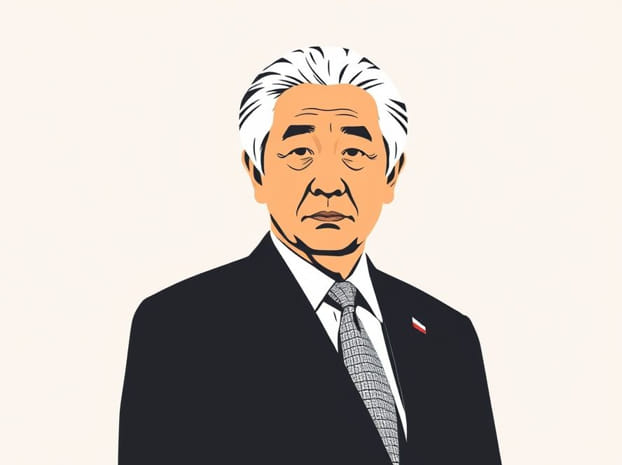
Former Prime Minister Junichiro Koizumi
Junichiro Koizumi, the former Prime Minister of Japan, remains one of the most recognized political figures in modern Japanese history. Serving from 2001 to 2006, he captured the attention of both the Japanese public and international observers with his distinctive leadership style, charismatic presence, and bold reform agenda. Known for his silver hair and unconventional approach, Koizumi’s tenure was marked by major political, social, and economic reforms that shaped Japan’s trajectory in the early 21st century. His legacy continues to spark discussion as people evaluate his influence on Japanese governance, international diplomacy, and domestic transformation.
Early Life and Political Beginnings
Junichiro Koizumi was born in 1942 in Kanagawa Prefecture, into a family with strong political roots. His father and grandfather were both involved in politics, which gave him early exposure to the political arena. Koizumi pursued his education at Keio University, where he studied economics, before furthering his academic experience in the United Kingdom. His early career was shaped by working closely with senior Liberal Democratic Party (LDP) figures, gradually earning a reputation as a dedicated and ambitious politician. By the 1970s, he had already secured his position as a member of the House of Representatives, marking the beginning of his long and influential political journey.
Rise Within the Liberal Democratic Party
Within the LDP, Koizumi was initially regarded as somewhat of an outsider due to his reformist views and unconventional personality. However, he quickly built a reputation as a figure who was unafraid to challenge traditional party norms. He held various ministerial positions in areas such as health and finance, which provided him with the experience and visibility necessary to compete for party leadership. His strong communication skills, public appeal, and persistence set him apart from his contemporaries, helping him rise through the ranks until he was elected Prime Minister in 2001.
Key Reforms During His Tenure
As Prime Minister, Koizumi’s primary focus was reform. His famous slogan, No growth without reform, reflected his determination to modernize Japan’s economy and reduce bureaucratic inefficiency. Among his most significant reforms was the privatization of Japan Post, a massive organization that functioned not only as a postal service but also as a savings and insurance institution. This move was both controversial and groundbreaking, as it represented a shift toward reducing government control in areas that had long been considered untouchable.
- Postal privatizationA landmark policy that reshaped Japan’s financial and administrative systems.
- Economic liberalizationEfforts to reduce government intervention and stimulate private sector growth.
- Administrative reformStreamlining government agencies to improve efficiency and accountability.
Foreign Policy Approach
Koizumi’s leadership was also notable for his active approach to foreign policy. He strengthened Japan’s alliance with the United States, particularly during the post-9/11 era, sending Japanese Self-Defense Forces to Iraq in a non-combat capacity. This decision was controversial domestically but highlighted his willingness to redefine Japan’s role in global security. Additionally, Koizumi sought to maintain diplomatic relations with neighboring countries, although his visits to the Yasukuni Shrine, which honors Japan’s war dead including convicted war criminals, strained ties with China and South Korea.
Public Image and Leadership Style
Junichiro Koizumi was known for his distinctive charisma, often described as more dynamic than the typical Japanese politician. His casual and straightforward communication style resonated with voters, making him one of the few Prime Ministers who consistently enjoyed high approval ratings throughout his tenure. He often broke with the rigid, formal traditions of Japanese politics, projecting an image that was relatable and approachable. This ability to connect with ordinary citizens played a major role in his political success and helped him secure a strong mandate for his reforms.
Controversies and Criticism
Despite his popularity, Koizumi was not free from criticism. His postal privatization plan, while historic, faced strong opposition from within his own party and from citizens concerned about the potential impact on rural communities. His visits to the Yasukuni Shrine drew criticism from both domestic and international observers, who viewed the act as insensitive given Japan’s wartime history. Additionally, some argued that while his reforms were bold, they did not fully resolve Japan’s long-term economic stagnation, leaving future governments to continue grappling with similar issues.
Life After Politics
After stepping down in 2006, Koizumi remained an influential figure, though he largely retired from active politics. He occasionally spoke out on issues of national importance, such as environmental policies and nuclear energy. Following the Fukushima disaster in 2011, Koizumi became an outspoken critic of nuclear power, advocating for a future where Japan shifts to renewable energy sources. This stance further demonstrated his ability to challenge mainstream policies and remain a voice of reform, even outside the prime minister’s office.
Legacy of Junichiro Koizumi
The legacy of former Prime Minister Junichiro Koizumi continues to shape discussions about Japanese politics. He is remembered as a reformist who sought to modernize Japan’s economy and governance, while also pushing boundaries in foreign policy and leadership style. His tenure represented a turning point in how Japanese leaders engaged with both their citizens and the international community. Whether praised for his courage or criticized for his controversies, Koizumi’s impact on Japan remains undeniable.
Key Aspects of His Legacy
- Modernization of the Japanese economy through reform policies.
- A more assertive role for Japan in international security and diplomacy.
- A new model of political communication and public engagement.
- Continued influence on debates about nuclear energy and environmental sustainability.
Former Prime Minister Junichiro Koizumi occupies a unique place in Japanese political history. His combination of reform-driven policies, bold foreign policy decisions, and engaging leadership style set him apart from many of his predecessors and successors. While not without controversy, his impact on Japan’s domestic and international standing was profound. For students of politics, economists, and those interested in global leadership, Koizumi remains a compelling figure whose legacy continues to inform Japan’s path forward. His story reflects not only the challenges of governance but also the enduring power of leadership to inspire change.