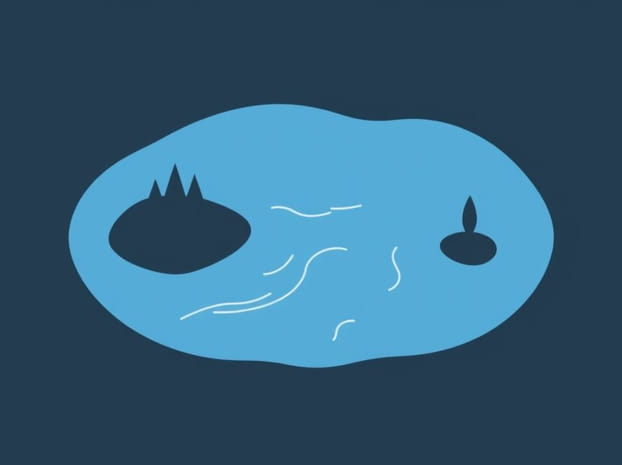
Formation Of Oxbow Lake Diagram
The formation of an oxbow lake is a fascinating natural process that occurs along meandering rivers, showcasing the dynamic interaction between flowing water and the surrounding landscape. Oxbow lakes are crescent-shaped water bodies that form when a wide meander from the main stem of a river is cut off, leaving a free-standing body of water. This process not only illustrates key principles of river dynamics and erosion but also highlights the role of sediment deposition and the power of natural forces over time. Understanding the formation of oxbow lakes provides valuable insight for geographers, environmental scientists, and students studying fluvial processes, as well as for anyone interested in how rivers shape the Earth’s surface.
What is an Oxbow Lake?
An oxbow lake is a U-shaped or crescent-shaped lake that forms when a river meander is abandoned due to natural changes in the river’s course. These lakes are usually found in the floodplains of mature rivers where the gradient is gentle, allowing the river to meander widely. The name oxbow comes from the distinctive curved shape, which resembles the yoke placed around an ox’s neck. Oxbow lakes are typically shallow, nutrient-rich, and support diverse ecosystems, making them important habitats for aquatic and terrestrial species. They also serve as indicators of past river activity and can reveal how rivers evolve over time.
Stages in the Formation of an Oxbow Lake
The formation of an oxbow lake is a step-by-step process involving erosion, deposition, and eventual cutoff of a river meander. Each stage contributes to the transformation of a meander into a separate lake, which can eventually become a wetland or marsh as sediment fills it over time. The main stages are outlined below
Stage 1 Meander Formation
Meanders begin to form in rivers with a gentle gradient and soft banks. Water flows faster on the outer bend of the river, causing erosion, and slower on the inner bend, causing deposition. This combination of erosion and deposition gradually exaggerates the curves of the river. Over time, the bends become more pronounced, creating the characteristic looping pattern. The continual process of erosion on the outer bank and deposition on the inner bank ensures that the meander becomes increasingly curved and elongated.
Stage 2 Erosion and Neck Narrowing
As the meander grows, the neck of the loop the narrow strip of land between the start and end of the meander becomes thinner due to erosion on both sides. The river seeks the shortest path downstream, and high flow events, such as floods, can accelerate the erosion of the neck. This stage is crucial because it sets the stage for the eventual cutoff of the meander. The continuous movement of water and sediment reshapes the landscape, narrowing the neck to the point where the river may breach it during a flood.
Stage 3 Meander Cutoff
The meander is eventually cut off when the river breaks through the neck during a flood or high flow event, creating a new, straighter channel. This cutoff isolates the old meander loop from the main river, forming a free-standing water body. The abandoned meander is now called an oxbow lake. This process can happen quickly during extreme weather events or gradually over time as erosion and deposition slowly reshape the river channel. The cutoff reduces the river’s energy loss along the winding path and creates a stable area for sediment to accumulate.
Stage 4 Formation of the Oxbow Lake
After the cutoff, the oxbow lake forms and retains water, disconnected from the main river except during high water events. Sediment deposition at the ends of the abandoned meander helps seal it off completely, and the lake begins to develop its unique ecological characteristics. Over time, the oxbow lake may become shallower due to silt accumulation, gradually transforming into a wetland or marsh. These stages illustrate the dynamic interplay of erosion, deposition, and water flow that shapes riverine landscapes.
Diagram of Oxbow Lake Formation
A diagram illustrating oxbow lake formation typically shows the sequential stages
- Stage 1Meander begins to form along a gentle river bend.
- Stage 2Erosion and deposition exaggerate the meander and narrow the neck.
- Stage 3River cuts through the neck during a flood, creating a new, straighter channel.
- Stage 4Abandoned meander forms an oxbow lake, isolated from the main river.
Such diagrams are often used in educational materials to help students visualize the dynamic process of meander cutoff and oxbow lake formation.
Factors Influencing Oxbow Lake Formation
Several factors influence the formation and longevity of oxbow lakes
- River GradientGentle slopes allow rivers to meander more freely, facilitating oxbow lake formation.
- Soil and Rock TypeSofter sediments like clay and silt erode more easily, promoting meander development.
- Flooding EventsHigh water levels can accelerate the cutoff process and increase erosion rates.
- VegetationPlant roots can stabilize banks and influence where erosion and deposition occur.
- Human ActivityRiver engineering, dams, and channelization can alter natural meandering and affect oxbow lake formation.
Ecological and Environmental Importance
Oxbow lakes serve as critical habitats for various species. They provide breeding grounds for fish, birds, and amphibians. The slow-moving or stagnant water supports aquatic plants and helps filter sediments and pollutants. Oxbow lakes can also act as floodwater reservoirs, reducing the impact of seasonal flooding on nearby areas. The nutrient-rich waters encourage biodiversity and contribute to the overall health of the river ecosystem. Additionally, oxbow lakes are often appreciated for their aesthetic value and recreational opportunities such as fishing and birdwatching.
Examples of Oxbow Lakes
Many well-known oxbow lakes exist around the world, offering excellent case studies for understanding the process of their formation. Examples include
- Lake Chicot, USAFormed from the Mississippi River, it is one of the largest oxbow lakes in North America.
- Horseshoe Lake, USAAnother oxbow lake formed from the meandering Mississippi River.
- Kaurna Oxbow Lakes, AustraliaFound in South Australia, demonstrating similar formation processes.
- Jadukata Oxbow Lakes, BangladeshFormed in the floodplains of the Jamuna River.
These examples highlight the global prevalence of oxbow lakes and their significance in both ecological and educational contexts.
The formation of oxbow lakes is a fascinating demonstration of the power of water in shaping landscapes. Through the processes of meander development, erosion, deposition, and cutoff, rivers create these unique crescent-shaped lakes that serve as vital habitats for wildlife and as indicators of historical river behavior. Understanding the stages and factors involved in oxbow lake formation, often visualized through diagrams, provides valuable insights for geography, ecology, and environmental management. These lakes, formed naturally over time, not only enrich the ecosystem but also offer aesthetic and recreational value, making them an important feature of riverine landscapes around the world.