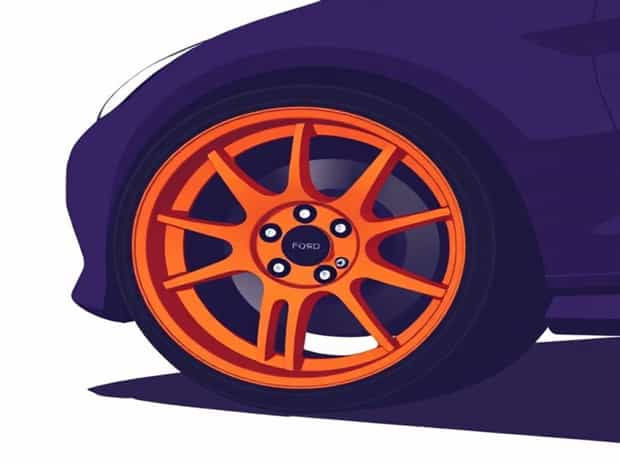
Ford Focus Wheel Fitment
Understanding Ford Focus wheel fitment is essential for car enthusiasts, daily drivers, and anyone looking to upgrade or replace their vehicle’s wheels. Wheel fitment affects not only the aesthetics of the car but also its performance, safety, and handling. Selecting the correct wheel size, bolt pattern, offset, and tire combination ensures a smooth ride and prevents potential issues like rubbing, uneven tire wear, or suspension stress. With multiple generations of the Ford Focus available, each with different specifications, knowing the proper wheel fitment is crucial for both stock replacements and aftermarket modifications.
Importance of Correct Wheel Fitment
Proper wheel fitment ensures that your Ford Focus maintains optimal performance and safety. Incorrect fitment can lead to problems such as reduced handling, increased wear on suspension components, and potential safety risks. By understanding key fitment factors, owners can make informed decisions when purchasing new wheels or tires.
Impact on Vehicle Performance
Wheel size and offset directly affect the vehicle’s performance. Larger wheels can improve handling and appearance but may also add weight, affecting acceleration and fuel economy. Smaller wheels are lighter and more efficient but may not provide the same visual impact or grip. Choosing the right balance between performance, style, and practicality is key.
Impact on Safety
Correct wheel fitment ensures the tires contact the road properly, maintaining traction and stability. Misfit wheels can cause rubbing against the fenders or suspension components, increasing the risk of tire damage or loss of control. Proper fitment reduces the likelihood of accidents and maintains manufacturer safety standards.
Key Factors in Ford Focus Wheel Fitment
When selecting wheels for a Ford Focus, several important specifications must be considered to ensure compatibility and performance.
Wheel Diameter
The wheel diameter, measured in inches, affects both performance and aesthetics. Ford Focus models typically come with stock wheel sizes ranging from 15 inches to 19 inches depending on the trim and year. Upgrading to larger wheels can improve appearance and handling but may require low-profile tires to maintain overall tire diameter and avoid speedometer inaccuracies.
Wheel Width
Wheel width affects tire fitment and contact with the road. Narrow wheels may limit tire options, while excessively wide wheels can cause rubbing or suspension interference. Stock widths usually range from 6.0 inches to 8.0 inches, but aftermarket options allow customization based on driving preferences and vehicle modifications.
Bolt Pattern
The bolt pattern, expressed as the number of lug holes and the distance between them, is crucial for proper mounting. Most Ford Focus models use a 5x108mm bolt pattern, but some early models may vary. Using the correct bolt pattern ensures wheels are securely mounted and evenly distributes the load across all lug nuts.
Offset and Backspacing
Offset refers to the distance between the wheel’s mounting surface and the centerline, affecting how the wheel sits in the wheel well. Positive offset moves the wheel inward, while negative offset moves it outward. Incorrect offset can cause rubbing on suspension components or fenders. Backspacing measures the distance from the mounting surface to the back edge of the wheel, helping maintain proper clearance.
Tire Compatibility
Wheel fitment must align with appropriate tire sizes. Stock tire sizes vary based on trim and year, but common sizes include 195/65R15, 205/55R16, and 235/40R18. Upgrading wheel size requires adjusting tire dimensions to maintain overall diameter, speedometer accuracy, and suspension performance. Using the correct tire profile ensures proper contact with the road and avoids handling issues.
Common Wheel Fitment Options for Ford Focus
Ford Focus owners often consider various wheel options for aesthetic appeal and performance upgrades. Understanding common fitment options helps guide purchasing decisions.
Stock Replacement Wheels
Replacing wheels with stock-size options ensures factory-level fitment and performance. Stock wheels maintain proper offset, bolt pattern, and tire compatibility, making them a reliable choice for everyday driving and warranty compliance.
Aftermarket Wheels
Aftermarket wheels offer customization in style, finish, and performance. Popular sizes for aftermarket upgrades include 17, 18, and 19 inches in diameter. When selecting aftermarket wheels, it is essential to consider offset, width, and tire size to prevent interference with suspension or body components. Aftermarket options may include lightweight alloy wheels for performance or larger diameter wheels for a more aggressive look.
Performance and Track Options
For enthusiasts who take their Ford Focus to the track or off-road environments, performance wheels may include wider widths, reduced weight, or specialized designs for improved braking and handling. Performance wheels are often paired with low-profile or high-grip tires to maximize traction and cornering stability.
Tips for Ensuring Proper Fitment
Ensuring the correct wheel fitment for a Ford Focus requires attention to detail and adherence to specifications. Following these tips can prevent common mistakes and improve overall satisfaction with new wheels.
Consult Manufacturer Specifications
Always refer to Ford’s official specifications for wheel diameter, width, bolt pattern, and offset for your model year and trim. This ensures compatibility with suspension components, brakes, and fenders.
Measure Before Purchase
Use precise measurements for tire diameter, wheel width, and backspacing when considering aftermarket options. Comparing these measurements with the vehicle’s stock dimensions prevents rubbing and interference.
Consider Tire Options
Verify that the selected wheel size allows for compatible tire options. Ensure that the overall tire diameter remains close to stock specifications to maintain speedometer accuracy and proper handling.
Test Fit and Clearance
Whenever possible, test fit wheels before final purchase. Check for fender clearance, suspension interference, and brake caliper clearance to ensure safe and functional installation.
Understanding Ford Focus wheel fitment is critical for maintaining performance, safety, and aesthetics. Factors such as wheel diameter, width, bolt pattern, offset, and tire compatibility all play a role in ensuring proper fitment. Whether choosing stock replacement wheels or aftermarket upgrades, careful consideration of these specifications prevents issues such as rubbing, uneven tire wear, or suspension stress. Proper fitment enhances handling, traction, and ride quality while allowing for style customization. By consulting manufacturer specifications, measuring carefully, and considering performance goals, Ford Focus owners can select the best wheels for their vehicle, ensuring both safety and satisfaction. Proper wheel fitment transforms the driving experience, providing a balance of functionality, performance, and visual appeal that enhances the overall value of the vehicle.