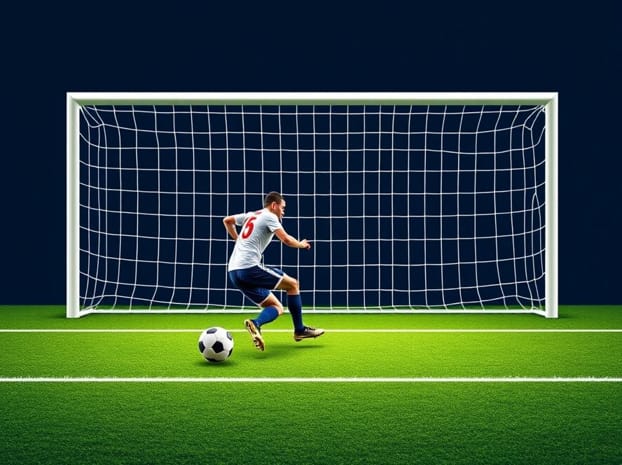
Football Penalty Disconcerting Signals
In football, the penalty kick is one of the most intense and high-pressure moments in the game. The psychological battle between the penalty taker and the goalkeeper often goes beyond physical skills and dives deep into the realm of mental tactics. One intriguing aspect of this duel is the use of disconcerting signals, subtle gestures or actions designed to unnerve the opponent and influence their decision-making. These signals can range from body language, eye movements, or pre-kick behaviors, and they play a significant role in the outcome of penalties, making them a fascinating topic for players, coaches, and enthusiasts alike.
Understanding Disconcerting Signals in Football Penalties
Disconcerting signals refer to intentional or subconscious cues that can impact an opponent’s focus, confidence, or anticipation. In the context of football penalties, these signals are usually employed by either the penalty taker or the goalkeeper. The goal is to disrupt the opponent’s concentration, provoke hesitation, or manipulate their expectations regarding shot direction, timing, or technique. Coaches often emphasize the psychological aspects of penalties, and understanding these signals can give players a competitive edge.
Common Types of Disconcerting Signals
Several strategies are commonly observed during penalty situations. These include
- Body LanguageA confident or exaggerated stance can intimidate the opponent, while subtle fidgeting or hesitation may throw off a goalkeeper.
- Eye MovementsLooking in a particular direction or feigning focus on one side of the goal can mislead the opponent about intended shot placement.
- Pauses and TimingDelaying the run-up or varying the pace can disrupt the goalkeeper’s timing and make it difficult to anticipate the shot.
- Verbal CuesSome players use sounds, muttered words, or calls to distract or unsettle the goalkeeper.
- Gestures and Hand MovementsHand signals or small movements can be interpreted by the opponent, influencing their choices under pressure.
The Role of Psychology in Penalty Kicks
Football penalties are as much a mental challenge as a physical one. The pressure of performing in front of thousands of spectators, the stakes of the match, and the expectation to succeed all contribute to heightened stress levels. Disconcerting signals leverage this psychological pressure, aiming to induce doubt, hesitation, or overthinking. Studies in sports psychology suggest that even minor distractions or ambiguous signals can significantly alter a player’s accuracy and decision-making during critical moments.
Goalkeepers and Disconcerting Signals
Goalkeepers often use disconcerting signals to gain an advantage. Some of the techniques include
- Movements Along the Goal LineSlight shuffling or leaning can give a false impression of readiness or influence the taker’s shot choice.
- GesturingRaising hands or making subtle gestures can be distracting.
- Eye Contact and StaringLocking eyes with the penalty taker can create psychological pressure.
- Verbal DistractionsSoft murmurs or shouting to disrupt concentration.
These signals require careful balance. Overuse or exaggeration may backfire and provide additional information to the penalty taker.
Penalty Takers and Counter-Signals
Penalty takers also use disconcerting signals to influence the goalkeeper. Techniques include
- Run-Up VariationsAdjusting stride length or angle can create uncertainty.
- Feigning Shot DirectionLooking or body positioning can mislead the goalkeeper.
- Deliberate PausesSlight hesitation before striking can force premature dives.
- Confidence SignalsExuding calm and confidence to psychologically overpower the goalkeeper.
Successful execution of these signals often requires practice, precision, and awareness of the opponent’s tendencies.
Examples from Professional Football
Professional football offers numerous examples of disconcerting signals in action. Elite players and goalkeepers routinely integrate psychological tactics into penalty routines. For instance, some forwards vary their approach or gaze intentionally to mislead top goalkeepers, while renowned goalkeepers like Manuel Neuer and Gianluigi Buffon have been observed using subtle body movements and gestures to unnerve penalty takers. Match analysis shows that awareness and anticipation of these signals often determine the success rate in high-stakes games.
Training for Psychological Advantage
Coaches increasingly emphasize mental training alongside physical preparation for penalties. Drills often include simulating high-pressure scenarios, practicing disconcerting signals, and learning to read the opponent’s cues. Video analysis of past penalties can also help players recognize habitual behaviors and anticipate tactics. Understanding the psychological dynamics of penalties is crucial for both takers and goalkeepers, as it improves composure, decision-making, and the ability to respond under stress.
Ethical Considerations and Fair Play
While disconcerting signals are a legitimate aspect of psychological strategy, they must align with the rules and spirit of fair play. Actions that cross into unsportsmanlike behavior, such as excessive shouting, physical intimidation, or deception outside the legal framework, are penalized. Players are encouraged to develop mental strategies that challenge opponents within the boundaries of sportsmanship, focusing on subtle and lawful cues rather than manipulative or aggressive tactics.
Disconcerting signals in football penalties represent a fascinating interplay between psychology and skill. The subtle cues, whether from the penalty taker or the goalkeeper, can significantly influence the outcome of a critical moment in a match. Understanding and utilizing these signals requires practice, awareness, and a deep appreciation for the psychological aspects of football. As players and coaches continue to refine these strategies, the mental duel in penalty situations remains one of the most compelling and unpredictable elements of the sport, demonstrating that football is as much a game of the mind as it is of physical ability.