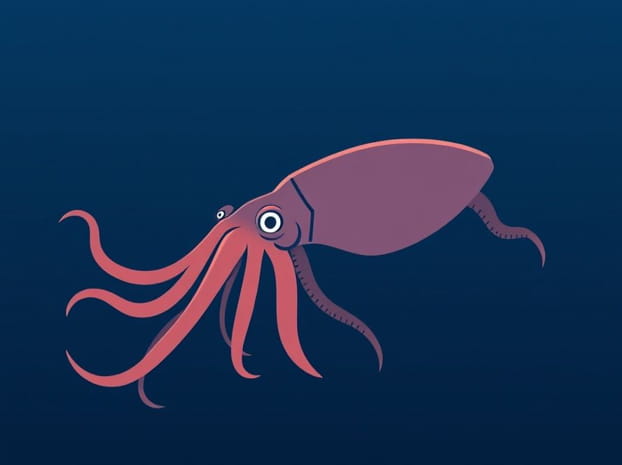
Footage Of Colossal Squid
Footage of the colossal squid has fascinated scientists, ocean enthusiasts, and the general public due to the mysterious and almost mythical nature of this deep-sea creature. Colossal squids, known for their immense size, bioluminescent features, and deep-ocean habitat, have long been the subject of speculation and study. Capturing real footage of these elusive animals offers an unprecedented glimpse into their behavior, anatomy, and ecological role, allowing researchers to learn more about one of the ocean’s most enigmatic predators.
Introduction to the Colossal Squid
The colossal squid, scientifically namedMesonychoteuthis hamiltoni, inhabits the deep, cold waters of the Southern Ocean surrounding Antarctica. Unlike its more familiar cousin, the giant squid, the colossal squid has a heavier, more robust body, equipped with large hooks on its tentacles and a beak strong enough to tackle formidable prey. Estimated to reach lengths of up to 14 meters and weighing nearly half a ton, this squid is one of the largest invertebrates on Earth. Footage of the colossal squid in its natural environment provides invaluable insights that were previously unattainable due to the extreme depths at which it lives.
Challenges in Capturing Footage
Recording footage of the colossal squid is exceptionally challenging because it lives at depths ranging from 500 to 2,000 meters, where light barely penetrates and pressure is immense. Researchers rely on remotely operated vehicles (ROVs) equipped with high-resolution cameras, low-light sensors, and robotic arms to capture images and videos without disturbing the squid. The rarity of such footage makes each recording highly valuable for scientific study and public education. Even brief glimpses of the squid in motion can reveal feeding behavior, swimming patterns, and interactions with other deep-sea species.
Behavior Observed in Footage
Footage of the colossal squid has shown that, despite its enormous size, it is an agile predator capable of swift movements. The squid uses its eight arms and two longer tentacles to grasp and immobilize prey, which primarily consists of large fish and other squid species. The presence of hooks on the tentacles allows it to maintain a secure hold on slippery or struggling prey. Observations from deep-sea footage also indicate that the colossal squid may use bioluminescent organs to attract prey or communicate, a fascinating adaptation for life in near-total darkness.
Interactions with Other Species
Colossal squids are known to interact with other predators in the deep ocean. Footage has captured them engaging in encounters with sperm whales, their primary natural predator. These interactions are often violent, with evidence of scars and wounds found on both squid and whale specimens. Observing these behaviors in real time helps scientists understand predator-prey dynamics in deep-sea ecosystems and sheds light on the ecological balance of the Southern Ocean. Additionally, footage has occasionally revealed interactions with other squid species, fish, and scavengers, highlighting the complex network of life in the deep sea.
Anatomical Insights from Footage
High-quality footage allows researchers to study the colossal squid’s anatomy in ways that preserved specimens cannot. The videos reveal the squid’s large, muscular mantle, which enables powerful propulsion, and the remarkable size of its eyes the largest in the animal kingdom adapted for detecting faint bioluminescent signals in deep water. Tentacle hooks and the beak structure are also clearly visible in footage, providing insights into feeding mechanics and predation strategies. Such observations help scientists refine their understanding of the squid’s physiology and its adaptations for life at extreme depths.
Scientific and Educational Value
Footage of the colossal squid serves both scientific and educational purposes. For researchers, it provides real-time data on movement patterns, behavior, and environmental preferences, which are difficult to obtain through traditional specimen collection alone. For educators and the general public, the videos offer a tangible connection to a creature previously known mostly through folklore and limited physical specimens. Publicly available footage has inspired documentaries, research projects, and media coverage that raise awareness about deep-sea biodiversity and the importance of ocean conservation.
Technological Advances in Deep-Sea Filming
Capturing footage of elusive creatures like the colossal squid requires cutting-edge technology. Modern ROVs and submersibles are equipped with high-definition cameras, LED lighting systems designed for low-light environments, and maneuverable arms for gentle specimen interaction. Advances in deep-sea imaging technology have made it possible to record the squid’s behavior without disrupting its natural environment. Additionally, 3D imaging and mapping techniques are now used to analyze movement and body structure in unprecedented detail, providing a clearer picture of life in the deep ocean.
Implications for Conservation
Documenting the colossal squid through footage has important conservation implications. Observing their natural behavior helps identify critical habitats, migration patterns, and interactions with other species. This information is essential for developing conservation strategies aimed at protecting these deep-sea ecosystems from human threats such as fishing, climate change, and pollution. Increased public awareness generated by footage can support policy decisions and funding for further research, ensuring the protection of these rare and enigmatic creatures for future generations.
Public Fascination and Cultural Impact
Footage of the colossal squid has captured the imagination of the public worldwide, fueling interest in deep-sea exploration and marine biology. The squid’s enormous size, unusual appearance, and mysterious lifestyle make it a compelling subject for documentaries, news reports, and educational programs. Its depiction in media often emphasizes both awe and curiosity, inspiring fascination with the ocean’s unexplored depths. By bringing the colossal squid into view, footage helps bridge the gap between human understanding and the largely hidden world of deep-sea life.
Tips for Observing Colossal Squid Footage
- Watch documentaries or research footage from credible sources to ensure accurate representation.
- Pay attention to behavior patterns, such as tentacle movement, swimming speed, and hunting techniques.
- Observe interactions with other deep-sea species to understand ecological relationships.
- Consider the environmental conditions, including pressure, temperature, and light levels, to appreciate the adaptations of the squid.
- Use footage as a learning tool for biology, marine ecology, and evolutionary studies.
Footage of the colossal squid offers a rare and invaluable glimpse into the life of one of the ocean’s most enigmatic predators. From its enormous size and specialized anatomy to its elusive behavior and deep-sea adaptations, the squid captures both scientific and public fascination. These videos provide critical information for research, education, and conservation, helping us understand the complexity and richness of deep-sea ecosystems. As technology continues to advance, the ability to document and study colossal squid in their natural habitat will expand, revealing even more about this mysterious and awe-inspiring creature of the deep ocean.