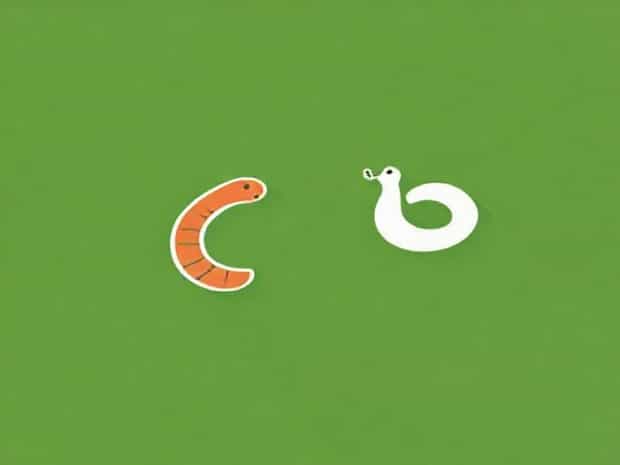
Flatworm And Roundworm Difference
Flatworms and roundworms are two distinct groups of worms that play significant roles in ecosystems and human health. Understanding the differences between these two types of worms is essential for students, researchers, and anyone interested in biology or parasitology. Flatworms, also known as Platyhelminthes, are generally flattened, soft-bodied organisms, while roundworms, or Nematodes, are cylindrical and more rigid. Despite both being invertebrates, they exhibit significant differences in anatomy, physiology, reproduction, and ecological roles. Studying these differences helps in identifying them accurately in scientific research and in understanding their impact on humans, animals, and the environment.
Overview of Flatworms
Flatworms belong to the phylum Platyhelminthes and are characterized by their flattened, ribbon-like bodies. They can be found in aquatic environments, moist terrestrial habitats, and as parasites in other organisms. Flatworms include free-living species such as planarians as well as parasitic species like tapeworms and flukes. Their simple body structure lacks a true body cavity, and they have no specialized respiratory or circulatory systems. Instead, flatworms rely on diffusion for gas exchange and nutrient distribution. Despite their simplicity, flatworms exhibit bilateral symmetry and a basic nervous system that allows them to respond to environmental stimuli effectively.
Key Features of Flatworms
- Body Dorsoventrally flattened with bilateral symmetry.
- Digestive System Incomplete or absent; some parasitic forms absorb nutrients directly from hosts.
- Circulatory and Respiratory Systems Absent; diffusion occurs through body surface.
- Nervous System Simple, with a pair of cerebral ganglia and longitudinal nerve cords.
- Reproduction Hermaphroditic, capable of both sexual and asexual reproduction.
Overview of Roundworms
Roundworms belong to the phylum Nematoda and have elongated, cylindrical, and unsegmented bodies. They are highly diverse and can inhabit soil, freshwater, marine environments, and the bodies of plants and animals as parasites. Roundworms possess a pseudocoelom, a body cavity that provides space for organ development and movement. Unlike flatworms, roundworms have a complete digestive system with a distinct mouth and anus, allowing for more efficient nutrient absorption. Many roundworms are free-living, playing a vital role in nutrient cycling, while others are parasitic, causing diseases in humans, livestock, and plants.
Key Features of Roundworms
- Body Cylindrical, elongated, and unsegmented with bilateral symmetry.
- Digestive System Complete, with a mouth, intestine, and anus.
- Circulatory and Respiratory Systems Absent; nutrients and gases transported via pseudocoelomic fluid.
- Nervous System More developed than flatworms, with a nerve ring and longitudinal nerve cords.
- Reproduction Separate sexes (dioecious) in most species, with internal fertilization.
Differences in Body Structure
The most noticeable difference between flatworms and roundworms lies in their body shape and structure. Flatworms are dorsoventrally flattened, which increases their surface area relative to volume and facilitates diffusion of oxygen and nutrients. In contrast, roundworms are cylindrical and maintain a pseudocoelom that provides structural support and allows for more complex organ development. Flatworms are typically soft-bodied and flexible, whereas roundworms possess a tough, flexible cuticle that protects them from harsh environments and digestive enzymes in hosts.
Summary of Body Differences
- Flatworms Flattened, soft-bodied, no body cavity (acoelomate).
- Roundworms Cylindrical, elongated, with pseudocoelom (pseudocoelomate).
- Flatworms Limited movement, rely on cilia or muscular contractions.
- Roundworms Greater mobility due to hydrostatic pressure in pseudocoelom and longitudinal muscles.
Digestive System Differences
Flatworms generally have an incomplete digestive system or, in the case of some parasitic species, no digestive system at all. Nutrients are absorbed directly through the body surface. Roundworms, however, have a complete digestive system that allows for continuous processing of food. This fundamental difference impacts how each group obtains and processes nutrients, which is closely tied to their lifestyles. Free-living flatworms can feed on small invertebrates, while parasitic flatworms rely entirely on host resources. Roundworms’ complete digestive system supports more complex diets and active movement.
Reproductive Differences
Reproduction in flatworms and roundworms differs significantly. Most flatworms are hermaphrodites, possessing both male and female reproductive organs, allowing for sexual and asexual reproduction. Some flatworms can regenerate body parts, effectively reproducing asexually. Roundworms, in contrast, are mostly dioecious, with separate male and female individuals. They reproduce sexually with internal fertilization, and many roundworm species produce large numbers of eggs to ensure survival in diverse environments. These reproductive strategies reflect adaptations to their habitats and lifestyles, particularly for parasitic species.
Parasitic vs. Free-Living Lifestyles
Both flatworms and roundworms include free-living and parasitic species, but the prevalence and impact of parasitism differ. Many flatworms, such as tapeworms and flukes, are obligate parasites that rely entirely on host organisms for survival. Roundworms also include parasitic species, such as Ascaris and hookworms, but free-living forms are abundant in soil and aquatic environments. Parasitic flatworms often exhibit specialized adaptations like suckers and hooks to attach to hosts, while roundworms’ protective cuticle helps them survive harsh conditions within hosts and in the environment.
Ecological Roles and Importance
Flatworms and roundworms play essential roles in ecosystems. Free-living flatworms are predators or scavengers, helping control populations of smaller invertebrates. Parasitic flatworms influence host population dynamics and can impact ecosystems indirectly. Roundworms are key decomposers and nutrient recyclers in soil, aiding plant growth and soil health. Parasitic roundworms can affect human and animal health, highlighting their medical and veterinary importance. Understanding the differences between these two groups helps in ecological studies, disease management, and environmental conservation.
Ecological Contributions
- Flatworms Predator and scavenger roles, maintaining ecological balance.
- Roundworms Soil aeration and nutrient recycling, supporting plant growth.
- Parasitic species Influence host populations, relevant in medical and veterinary contexts.
The differences between flatworms and roundworms are substantial, spanning body structure, digestive systems, reproductive strategies, and ecological roles. Flatworms are flattened, acoelomate organisms that often rely on diffusion and exhibit hermaphroditic reproduction, while roundworms are cylindrical, pseudocoelomate organisms with a complete digestive system and separate sexes. These distinctions affect their habitats, movement, feeding strategies, and interactions with other organisms. Understanding these differences is crucial for biology education, ecological research, and managing the impact of parasitic species on humans, animals, and agriculture. By recognizing the characteristics of each group, one can appreciate the diversity and adaptations of these fascinating invertebrates in both natural and controlled environments.