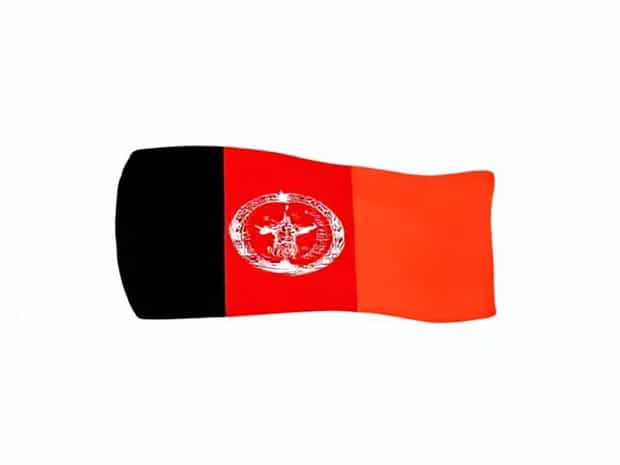
Flag Of Afghanistan New
The flag of Afghanistan has gone through many transformations throughout its history, reflecting the country’s shifting political, cultural, and social landscapes. In recent years, the introduction of the new flag has sparked global attention and debate. The design and symbolism of the Afghanistan flag are not only about aesthetics but also about identity, sovereignty, and representation on the world stage. For Afghans, the national flag carries deep meaning, and every change reflects a significant chapter in their collective journey. Understanding the new flag of Afghanistan requires a look into its history, symbolism, and the debates surrounding its acceptance.
Historical Background of the Afghanistan Flag
Afghanistan has one of the most complex flag histories in the world, with over 20 different designs since the early 20th century. Each regime or government that came to power introduced a new version of the flag to represent its ideology and authority. Some designs featured traditional Islamic symbols, while others emphasized national identity or modern statehood. The frequent changes made the Afghan flag a symbol of political turbulence as much as national pride.
The previous versions often included elements such as mosques, coats of arms, and Islamic inscriptions, alongside different color patterns. The black, red, and green tricolor became one of the most recognizable designs associated with Afghanistan, representing struggle, bloodshed, and hope. However, with the change of government in 2021, the new flag was adopted, shifting the symbolism once again.
Design of the New Flag of Afghanistan
The new flag of Afghanistan is simple yet powerful in its symbolism. The design consists of a plain white background with a black inscription of the Islamic declaration of faith, also known as the Shahada. This simplicity marks a stark departure from the more elaborate tricolor versions of the past, which included detailed emblems and symbols of state authority.
- White FieldRepresents purity, peace, and religious devotion.
- Black ShahadaThe Islamic declaration, There is no god but Allah, and Muhammad is His Prophet, symbolizes Afghanistan’s identity as an Islamic nation.
This minimalist design underlines the emphasis on faith and unity under religion rather than political or national symbolism. It aligns Afghanistan with other countries that use religious texts as part of their national flags.
Symbolism of the New Flag
The flag of Afghanistan new design has several layers of symbolism that resonate both locally and internationally
- Faith Above AllThe Shahada highlights the central role of Islam in the identity of Afghanistan.
- Peace AspirationThe white background is seen as a symbol of peace, though its interpretation varies depending on political perspective.
- SimplicityUnlike previous complex designs, the simplicity of this flag suggests a return to basic principles of identity.
Comparison with Previous Flags
The new Afghanistan flag stands in contrast with the older tricolor flag that featured black, red, and green stripes with a central emblem. While the old flag represented historical struggle, bloodshed for independence, and the hope for future prosperity, the new version focuses on religious unity. This shift demonstrates a reorientation from national symbolism toward ideological representation.
In comparison
- The tricolor was associated with the Republic of Afghanistan and international recognition.
- The new white flag with the Shahada is tied closely to Islamic governance and identity.
Controversy and Debate
The adoption of the new Afghanistan flag has been met with mixed reactions. On one hand, supporters see it as a strong declaration of national and religious unity. On the other, critics argue that the removal of national symbols such as the tricolor and coat of arms diminishes Afghanistan’s broader identity beyond religion. Internationally, the new flag has not been universally recognized, as many institutions and events continue to use the previous tricolor design as the symbol of Afghanistan.
These conflicting perspectives highlight the complexity of national symbolism. A flag is not just a piece of cloth but a representation of collective identity, and in Afghanistan’s case, it remains a point of negotiation between past, present, and future.
International Recognition and Use
Currently, the flag of Afghanistan new design is used domestically and by the current governing authorities. However, international organizations, sporting bodies, and diplomatic events often still rely on the previous tricolor flag. This creates confusion and highlights the tension between internal acceptance and global recognition. Until there is consensus or broader diplomatic agreement, Afghanistan may continue to face challenges in how its identity is represented abroad.
The Role of Flags in National Identity
Flags are powerful symbols that represent more than territory they embody values, beliefs, and collective pride. For Afghanistan, the frequent changes in its national flag reveal the country’s ongoing struggle with stability and governance. Each version has carried with it hopes for peace, sovereignty, and identity, but also reminders of conflict and division. The new flag, while clear in its religious message, is still being debated as to whether it can serve as a unifying symbol for all Afghans.
Public Perception of the New Flag
Afghan citizens have diverse opinions on the new flag. Some view it as a true representation of Afghanistan’s religious foundation, while others miss the tricolor design that connected them to a broader national identity. For many, the issue is not just about design but about what the flag represents in daily life security, governance, and international standing. This diversity of opinion means that the flag will continue to be a subject of discussion in Afghan society.
Impact on Afghan Culture and Identity
The flag is deeply tied to culture, ceremonies, and national pride. With the introduction of the new flag, changes are seen in public buildings, schools, and official events. However, cultural identity is complex, and while the flag is a visible marker, Afghan traditions, languages, and heritage extend beyond the flag itself. The challenge lies in whether the new design can encompass all aspects of Afghan identity in the long term.
Future of the Afghanistan Flag
The question of the Afghanistan flag’s future remains open. History shows that national symbols in Afghanistan are often temporary, shifting with political changes. Whether the new white flag will endure or eventually be replaced by another design depends on the country’s political trajectory and international recognition. What is certain is that the flag will remain a deeply symbolic and contested part of Afghanistan’s story.
The flag of Afghanistan new design is more than a piece of fabric; it represents ideology, identity, and the evolving narrative of the Afghan nation. Its simplicity conveys a strong message of religious unity, but at the same time, it has sparked debate about inclusivity, representation, and international recognition. For Afghans, the flag continues to be a symbol of their turbulent yet resilient journey, and its future significance will depend on how the nation defines itself in the years to come.
Word count ~1030