Five Effects Of Veld Fires
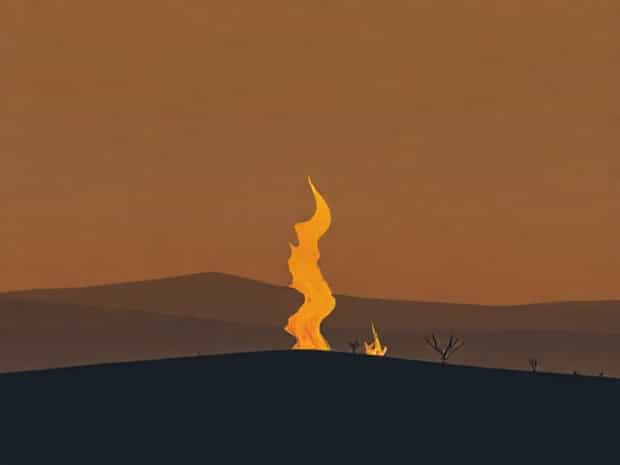
Veld fires, often referred to as wildfires or grassland fires, are uncontrolled fires that occur in open fields, savannas, or grasslands. These fires can spread rapidly due to dry conditions, wind, and combustible vegetation. Veld fires are a significant environmental and social concern because of their far-reaching impacts on ecosystems, human health, property, and the economy. Understanding the effects of veld fires is crucial for implementing prevention strategies, mitigating damage, and raising awareness about fire management practices. The consequences of veld fires extend beyond immediate destruction, affecting both natural habitats and human communities in multiple ways.
Effect 1 Environmental Degradation
One of the most immediate effects of veld fires is environmental degradation. Fires destroy vegetation, reduce biodiversity, and alter natural habitats. The intense heat from a veld fire can eliminate native plant species, which affects the animals that rely on them for food and shelter. Repeated fires can also change the composition of ecosystems, favoring fire-resistant species over more vulnerable ones. Soil quality may be compromised as well, with nutrients burned away and the soil structure damaged, leading to erosion and reduced fertility.
Impact on Biodiversity
Veld fires can have devastating effects on biodiversity. Small animals, insects, and birds may be killed or displaced during fires. Habitats are destroyed, and recovery can take years, particularly for species that depend on specific vegetation types. Some species may even face local extinction if fires occur too frequently or in areas that serve as critical breeding grounds.
Effect 2 Air Pollution and Health Hazards
Veld fires release large amounts of smoke, particulate matter, and toxic gases into the atmosphere. This pollution can have serious health consequences for people living in nearby areas. Inhaling smoke from veld fires can cause respiratory problems, aggravate asthma, and lead to eye irritation. Vulnerable populations, such as the elderly, children, and individuals with preexisting health conditions, are at higher risk of severe health effects. In addition to direct smoke inhalation, pollutants from fires can contribute to long-term air quality issues, impacting both human and animal health.
Contribution to Climate Change
Besides immediate health hazards, veld fires contribute to climate change by releasing carbon dioxide and other greenhouse gases into the atmosphere. The destruction of vegetation also reduces the Earth’s capacity to absorb carbon, further exacerbating global warming. Large-scale fires can have a cumulative impact, increasing the frequency and intensity of heatwaves, droughts, and other climate-related phenomena.
Effect 3 Economic Losses
Veld fires can result in significant economic losses for communities and governments. Agricultural lands are often affected, with crops destroyed and livestock killed. This not only impacts farmers’ income but also affects food supply chains and local economies. Property damage, including homes, fences, and infrastructure, can be extensive. The cost of firefighting efforts, emergency response, and recovery further adds to the financial burden.
Impact on Tourism and Employment
In regions where tourism is a key industry, veld fires can deter visitors, damage tourist facilities, and disrupt activities such as safaris or hiking. This loss of revenue can lead to unemployment and affect businesses that rely on tourism. Additionally, the destruction of natural landscapes may reduce the attractiveness of these areas, impacting long-term tourism potential.
Effect 4 Displacement of Human and Animal Populations
Veld fires often force people and animals to evacuate affected areas. Communities near grasslands may face temporary or permanent displacement, leading to disruption in daily life and social stress. Evacuation can result in loss of personal belongings, temporary shelters, and sometimes even fatalities if people cannot escape in time.
Impact on Wildlife
Wildlife faces severe disruption during veld fires. Animals may be injured, killed, or forced into new territories where competition for resources is higher. The destruction of natural habitats can lead to long-term consequences, affecting reproductive success and population stability. Some species may migrate to safer areas, creating ecological imbalances and increasing human-wildlife conflicts in surrounding regions.
Effect 5 Soil Degradation and Water Resource Impact
Veld fires significantly affect soil health and water resources. The heat from fires can burn the top layer of soil, removing organic matter and essential nutrients. This makes the soil less fertile and more prone to erosion by wind or rain. In addition, the loss of vegetation reduces the soil’s ability to retain water, increasing runoff and reducing groundwater recharge. These effects can lead to longer-term environmental challenges, including desertification and reduced agricultural productivity.
Impact on Rivers and Streams
When soil erosion occurs after veld fires, sediments are washed into rivers and streams, which can affect water quality. Sedimentation can harm aquatic life, reduce water clarity, and impact communities relying on these water sources for drinking, irrigation, or livestock. The combination of soil and water degradation further amplifies the environmental consequences of veld fires.
Veld fires have far-reaching and multifaceted effects on the environment, human health, the economy, wildlife, and natural resources. Environmental degradation, air pollution, economic losses, displacement, and soil and water impacts are among the primary consequences of these uncontrolled fires. Understanding the five effects of veld fires is essential for raising awareness about prevention, proper fire management, and environmental conservation. Communities, governments, and environmental organizations must work together to implement strategies that minimize the occurrence of veld fires and mitigate their impacts, ensuring the protection of ecosystems, human lives, and livelihoods.