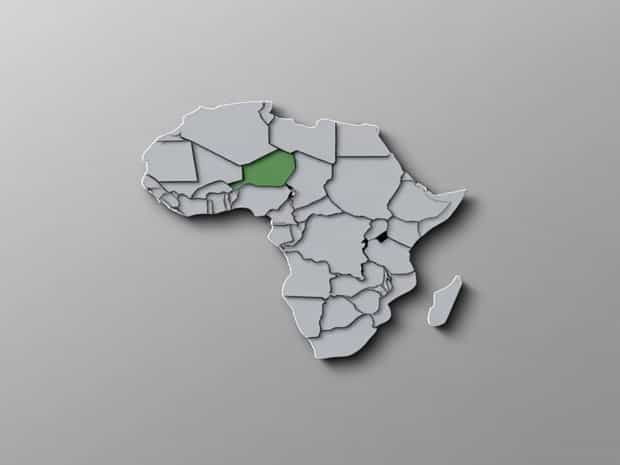
Five Anglophone Countries In Africa
Africa is a continent with remarkable linguistic and cultural diversity, yet English plays a significant role in uniting many of its nations. Several countries where English is an official or widely spoken language are often referred to as Anglophone countries. These nations have unique colonial histories, vibrant societies, and growing economies, but they also share similarities due to the adoption of English in administration, education, and international communication. Exploring five Anglophone countries in Africa offers insight into their history, culture, governance, and global influence.
Nigeria
Nigeria is the most populous Anglophone country in Africa, with over 200 million people. English is the official language, a legacy of British colonial rule, and it is used in government, business, and higher education. However, Nigeria is also home to more than 500 indigenous languages, making it one of the most linguistically diverse nations in the world.
The role of English in Nigeria is significant because it acts as a unifying medium in a country with diverse ethnic groups such as the Hausa, Yoruba, and Igbo. Nigeria’s economy, which is among the largest in Africa, benefits from English as a common language in trade, technology, and diplomacy. Its rich literary tradition, featuring global figures such as Chinua Achebe and Wole Soyinka, has also helped to solidify Nigeria’s place as a cultural leader among Anglophone nations in Africa.
Key Features of Nigeria as an Anglophone Country
- Official language English
- Ethnic diversity supported by English as a neutral medium
- Strong influence in African literature, music, and film
- Major role in African Union and international diplomacy
Ghana
Ghana is another prominent Anglophone country in Africa, known for being the first sub-Saharan nation to gain independence from colonial rule in 1957. English serves as the official language, facilitating communication across more than 70 local languages. Ghana’s colonial past under the British Empire left a strong legacy of English in education and governance.
The country is well-regarded for its political stability and democratic practices, making it a model for governance among African nations. The widespread use of English has also contributed to Ghana’s appeal as a destination for international trade and investment. Furthermore, the country’s cultural heritage, from traditional festivals to highlife music, thrives alongside modern influences, with English often acting as the bridge between local and global culture.
Key Features of Ghana as an Anglophone Country
- English is the language of instruction in schools and universities
- Stable political environment that attracts global partnerships
- Blend of traditional culture with modern global trends
- Strategic role in West African trade and diplomacy
Kenya
Kenya, located in East Africa, is another key Anglophone country. English, alongside Swahili, is an official language and is widely used in education, government, and business. Kenya’s colonial past under Britain deeply shaped its administrative and legal systems, making English a lasting feature of its national identity.
The country is known for its vibrant economy, fueled by agriculture, technology, and tourism. Nairobi, the capital city, has developed into a hub for international organizations and multinational companies. English is often the language of international business meetings and conferences held in Kenya. Beyond the economy, Kenya’s cultural identity, wildlife conservation, and contributions to athletics also attract global attention, with English serving as the medium through which Kenya presents itself to the world.
Key Features of Kenya as an Anglophone Country
- English and Swahili as official languages
- Nairobi as a hub for global organizations
- Strong educational system where English dominates higher learning
- International recognition in sports, tourism, and diplomacy
Uganda
Uganda is a landlocked East African country where English is the official language. Like its neighbors, Uganda’s use of English is rooted in its colonial history under Britain. It is widely spoken in administration, business, and education. In addition to English, Swahili is gaining importance as a regional language for trade and communication within the East African Community.
English plays a central role in Uganda’s national development. The education system, from primary schools to universities, relies on English as the language of instruction. This has enabled Ugandan graduates to engage in international employment and scholarship opportunities. Uganda’s literature and arts also reflect its Anglophone heritage, adding to its global cultural presence.
Key Features of Uganda as an Anglophone Country
- English as the foundation of education and governance
- Growing role of English in global trade and regional cooperation
- Diverse cultural expressions with English as a medium of communication
- Participation in African and global diplomacy using English
South Africa
South Africa stands out as one of the most complex Anglophone countries in Africa. Although it recognizes 11 official languages, English is the most widely used in business, politics, and international relations. The country’s colonial and apartheid history contributed to the prominence of English in its institutions and society.
English in South Africa functions as a bridge language among communities with different mother tongues. It is the dominant language in higher education and is a crucial tool for global communication. South Africa’s diverse economy, from mining to financial services, relies heavily on English in international trade. Moreover, the country’s contributions to literature, science, and sports are often expressed through English, giving it a prominent place in global affairs.
Key Features of South Africa as an Anglophone Country
- English widely used despite multiple official languages
- Prominent role in business, politics, and international trade
- Educational institutions with global recognition using English
- Cultural diversity represented through English-language media
Shared Importance of English in Anglophone Africa
Although each of these five countries Nigeria, Ghana, Kenya, Uganda, and South Africa has its own cultural and linguistic diversity, English serves as a unifying factor. It bridges ethnic and regional differences, enhances international cooperation, and provides access to global networks in education, business, and governance. The prominence of English in these countries reflects not only their colonial history but also their aspirations for global participation in the modern era.
The five Anglophone countries in Africa each demonstrate how English has become more than just a colonial legacy; it is a vital part of their national identity and international presence. From Nigeria’s literary giants to South Africa’s diverse global contributions, English continues to shape education, governance, and culture. As these nations move forward, English will remain a key tool in their development, connecting Africa to the wider world while preserving their unique cultural identities.