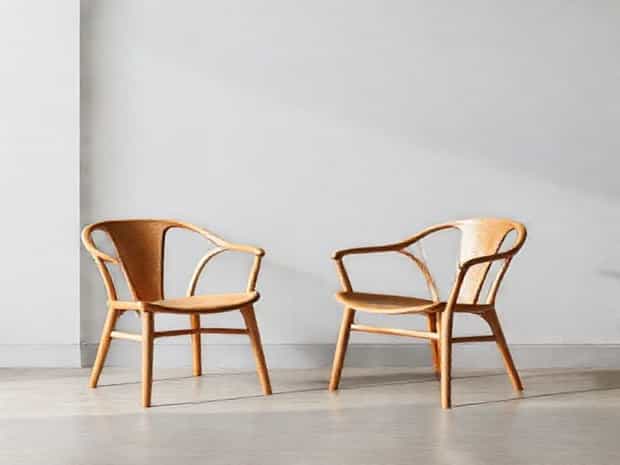
Fischel Bentwood Chairs History
Among the many iconic pieces of furniture that shaped European design, Fischel bentwood chairs stand out as an important chapter in the history of craftsmanship and industrial production. These chairs, with their graceful curves and lightweight yet sturdy structure, became a symbol of affordable elegance in the late 19th and early 20th centuries. They were produced as part of a larger movement that popularized bentwood furniture across Europe and beyond, competing with the well-known Thonet brand while carving out their own place in design history. Today, collectors and enthusiasts still admire Fischel bentwood chairs for their timeless charm, historic value, and enduring functionality.
The Origins of Fischel Bentwood Chairs
The story of Fischel bentwood chairs begins in the late 1800s, when David Gabriel Fischel established his furniture company in Niemes, a town that was then part of the Austro-Hungarian Empire. Inspired by the groundbreaking techniques developed by Michael Thonet, Fischel adopted the process of steaming and bending beechwood to create lightweight chairs with elegant lines. This technique allowed for mass production without sacrificing durability, making the chairs more accessible to a broader audience.
The Rise of Bentwood Furniture
Bentwood furniture represented a revolution in the way chairs and tables were made. Traditional woodworking required carving or joining multiple pieces of wood, which was time-consuming and expensive. By contrast, bentwood methods used heat and steam to curve wood into strong, fluid shapes. This allowed for the creation of chairs that were not only practical but also visually striking. Fischel chairs embodied these principles, offering simple designs that could be manufactured in large numbers while retaining a sense of craftsmanship.
Fischel and the Influence of Thonet
It is impossible to discuss Fischel bentwood chairs without mentioning the influence of Thonet. Michael Thonet was the pioneer of bentwood furniture, and his designs became globally recognized. However, Fischel developed his own variations, often making chairs that were slightly more affordable but still of excellent quality. The competition between manufacturers like Thonet and Fischel helped spread the popularity of bentwood furniture across cafés, restaurants, and homes throughout Europe.
Characteristics of Fischel Bentwood Chairs
Graceful Curves
The most recognizable feature of Fischel bentwood chairs is their curved frames. The backrests and legs often had elegant, sweeping lines that were both functional and decorative.
Lightweight and Durable
Despite their delicate appearance, these chairs were remarkably strong. The bentwood process created furniture that could withstand daily use in cafés and dining spaces without losing its shape.
Simple yet Versatile Design
Fischel chairs were available in a variety of styles, from basic café chairs to more elaborate designs with decorative details. Their simplicity allowed them to blend into both casual and formal interiors.
Popularity in Cafés and Public Spaces
During the late 19th and early 20th centuries, bentwood chairs became a staple of European cafés. Their light weight made them easy to move, and their durability ensured they could withstand constant use. Fischel bentwood chairs in particular became widely used in restaurants, hotels, and social clubs, where they contributed to the casual elegance of public life. For many people, the sight of bentwood chairs became inseparable from the culture of café society.
Export and Global Reach
Like other bentwood furniture makers, Fischel expanded beyond the borders of the Austro-Hungarian Empire. The chairs were exported across Europe and even to other continents, where they were welcomed as modern, stylish, and affordable pieces. Their ease of transport was another advantage because bentwood furniture was relatively lightweight and could be shipped efficiently, Fischel chairs found markets in both urban centers and smaller towns worldwide.
Design Variations and Styles
Over time, the Fischel company introduced a range of chair designs to cater to different markets. Some of the most notable variations included
- Café ChairsSimple round seats with curved backs, ideal for restaurants and coffeehouses.
- ArmchairsEnhanced versions with added armrests for comfort and prestige.
- Decorative ChairsFeaturing intricate bentwood loops and patterns, appealing to more elegant interiors.
- Child-Sized ChairsScaled-down versions that brought bentwood furniture into family homes.
Fischel’s Role in Furniture History
Although Thonet remains the most famous name associated with bentwood chairs, Fischel holds an important place in the story. The company provided high-quality alternatives that broadened access to this style of furniture. Fischel bentwood chairs also showcased how industrial techniques could combine with artistry to create timeless designs. Their legacy highlights the balance between affordability, mass production, and beauty that defined a key period in furniture history.
Collecting Fischel Bentwood Chairs Today
In the modern era, vintage Fischel chairs have become highly collectible. Enthusiasts appreciate them not only for their beauty but also for their historic significance. Many antique dealers and collectors look for identifying marks, such as labels or stamps, that indicate a chair’s authenticity. While some pieces are restored for everyday use, others are preserved as decorative items that tell the story of design innovation in the 19th and early 20th centuries.
Why They Remain Timeless
The continued interest in Fischel bentwood chairs demonstrates their timeless quality. Their lightweight build, elegant form, and adaptability mean they fit seamlessly into both vintage-inspired and modern interiors. Whether used in a dining room, a café, or as a decorative accent, these chairs retain their charm and functionality more than a century after they were first produced.
The history of Fischel bentwood chairs reflects a broader transformation in furniture making during the industrial age. Born in the Austro-Hungarian Empire, these chairs combined the practicality of mass production with the elegance of timeless design. They became fixtures of cafés and homes across Europe and beyond, competing with Thonet while developing their own identity. Today, Fischel bentwood chairs are celebrated as symbols of a bygone era, admired for their craftsmanship and appreciated as pieces of living history. Their story reminds us that good design can be both functional and beautiful, standing the test of time for generations to enjoy.