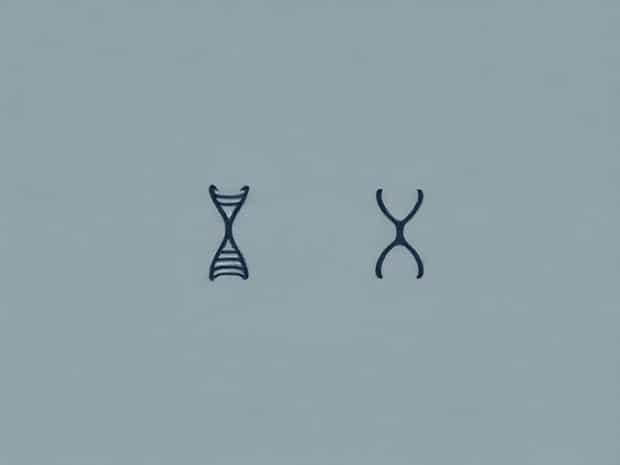
First Stage Of Mitosis Chromosomes Condense
Mitosis is a vital process in the life cycle of eukaryotic cells, allowing for growth, tissue repair, and asexual reproduction. The process is highly organized and occurs in several stages, each with specific events that ensure accurate division of genetic material. The first stage of mitosis, known as prophase, is particularly significant because it marks the beginning of the visible organization of chromosomes. During this stage, the chromosomes condense from a loose, thread-like structure into distinct, compact entities that can be accurately segregated later in cell division. Understanding the first stage of mitosis, including chromosome condensation, is essential for students, researchers, and anyone interested in cellular biology.
Overview of Mitosis
Mitosis is the process by which a single cell divides to produce two genetically identical daughter cells. It ensures that each daughter cell receives an exact copy of the parent cell’s DNA. The entire process is divided into several stages prophase, metaphase, anaphase, and telophase, with interphase preceding mitosis to prepare the cell for division. Among these stages, prophase is the first and involves critical changes within the nucleus that prepare the cell for the later stages of mitosis.
Prophase The First Stage of Mitosis
Prophase begins with the condensation of chromatin, the uncoiled form of DNA found in the nucleus during interphase. This condensation is necessary because the long DNA molecules need to be compacted into manageable structures that can move efficiently within the cell. The resulting chromosomes become visible under a light microscope, appearing as distinct rod-like structures. Each chromosome at this stage consists of two sister chromatids joined at a central region called the centromere.
Chromosome Condensation
Chromosome condensation is a complex process involving several molecular mechanisms. Histone proteins, which help package DNA, play a critical role in this process. As condensation progresses, the DNA coils tightly around histones, and additional structural proteins help further compact the chromosomes. Condensation not only makes chromosomes visible but also protects DNA from damage during mitosis and ensures accurate segregation to daughter cells.
Other Events in Prophase
- Spindle Apparatus FormationThe mitotic spindle, composed of microtubules, begins to form from the centrosomes. These spindle fibers will later attach to the centromeres of chromosomes to pull sister chromatids apart.
- Nuclear Envelope BreakdownThe nuclear envelope gradually disintegrates, allowing spindle fibers to access chromosomes. This is essential for the subsequent alignment of chromosomes during metaphase.
- Nucleolus DisappearanceThe nucleolus, responsible for ribosomal RNA synthesis, fades during prophase, signaling the cell’s shift from growth to division.
Importance of Chromosome Condensation
Condensation of chromosomes during prophase is crucial for several reasons
- Prevents DNA DamageCompacted chromosomes are less susceptible to breakage or entanglement as they move within the cell.
- Facilitates SegregationDistinct, condensed chromosomes can be more easily manipulated by the spindle apparatus, ensuring equal distribution of genetic material.
- Enhances Visibility for StudyCondensed chromosomes can be observed under a microscope, allowing scientists to study chromosomal structures and identify abnormalities.
Molecular Mechanisms Behind Condensation
Several proteins and enzymes regulate chromosome condensation. Condensins are key protein complexes that help organize chromatin into tightly packed structures. Cohesins, another set of proteins, keep sister chromatids together until the appropriate phase of mitosis. Additionally, topoisomerases play a role in resolving supercoiling and tangling of DNA strands, ensuring smooth condensation. Together, these molecular components orchestrate the orderly compaction of DNA during prophase.
Timing and Regulation
The timing of prophase and chromosome condensation is tightly regulated by the cell cycle. Cyclin-dependent kinases (CDKs) and other regulatory proteins ensure that condensation occurs only after DNA replication in interphase. Any errors in regulation can lead to incomplete condensation, missegregation of chromosomes, or genomic instability, which are often linked to diseases such as cancer.
Observing Chromosome Condensation in the Laboratory
Chromosome condensation can be observed using various microscopy techniques. Light microscopy allows visualization of condensed chromosomes in stained cells. Fluorescence microscopy, using DNA-specific dyes such as DAPI, provides more detailed images and helps researchers track chromosomal dynamics throughout mitosis. Laboratory experiments using model organisms like onion root tips or cultured mammalian cells are common for studying prophase and chromosome behavior.
Practical Applications
- Medical ResearchUnderstanding chromosome condensation helps in studying genetic disorders and cancer biology.
- Cell Biology EducationObserving prophase in classroom settings aids students in grasping fundamental concepts of cell division.
- Genetic AnalysisCondensed chromosomes are essential for karyotyping, a technique used to detect chromosomal abnormalities.
The first stage of mitosis, prophase, is marked by the condensation of chromosomes, a critical event that sets the stage for accurate cell division. This process transforms loose chromatin into compact, visible chromosomes, ensuring they can be segregated efficiently to daughter cells. Prophase also involves the formation of the spindle apparatus, breakdown of the nuclear envelope, and disappearance of the nucleolus. Molecular mechanisms involving condensins, cohesins, and topoisomerases orchestrate this complex process, while regulatory proteins ensure proper timing. Understanding prophase and chromosome condensation provides foundational knowledge for studying genetics, cell biology, and medical research, making it a pivotal concept in the life sciences.