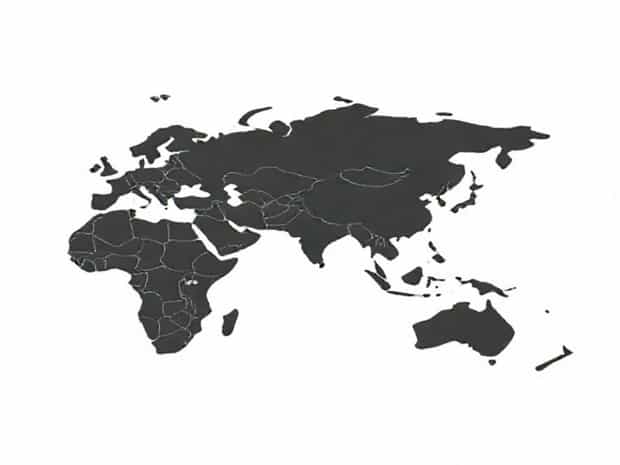
First Polluted Country In The World
The question of the first polluted country in the world is not easy to answer, because pollution has existed for centuries in different forms. Long before the industrial age, ancient civilizations struggled with waste disposal, smoke, and water contamination. However, when people today talk about the first polluted country in the world, they often mean the earliest nation to experience widespread industrial pollution that harmed both the environment and human health. Understanding this history helps us see how pollution evolved from local issues to global challenges that demand international cooperation.
Defining the Concept of the First Polluted Country
When we consider the idea of the first polluted country in the world, it is important to set some definitions. Pollution can refer to air, water, or soil contamination, and it can be caused by industry, agriculture, or human settlements. Historically, the country most often cited as the first heavily polluted nation is the United Kingdom, particularly during the Industrial Revolution. Yet, there are also arguments that ancient civilizations like Rome or China faced pollution on significant scales long before modern industry emerged.
Ancient Civilizations and Early Pollution
Pollution did not start with factories and machines. In fact, early human societies already created environmental impacts that could be considered pollution.
- RomeThe city of Rome had major sanitation challenges. Waste often accumulated in streets, and the Tiber River became contaminated by human sewage and garbage.
- Ancient ChinaCoal was burned for heating as early as 200 BC in China, producing smoke and soot that polluted the air in populated areas.
- Medieval CitiesIn Europe during the Middle Ages, open sewers and lack of waste management systems created unsanitary conditions, leading to pollution-related diseases.
While these examples were significant, they were mostly localized. The true large-scale national pollution crisis started during the Industrial Revolution.
The United Kingdom as the First Polluted Country
The United Kingdom is often described as the first polluted country in the world because of the rapid industrialization that began in the late 18th century. The burning of coal to power steam engines, factories, and homes created thick smog that blanketed cities like London, Manchester, and Birmingham. This pollution was not only an environmental problem but also a public health crisis.
Industrial Revolution and Air Pollution
Coal was the main source of energy during the Industrial Revolution. The massive consumption of coal released enormous amounts of smoke, soot, and sulfur dioxide into the atmosphere. The sky above British cities often turned dark, and residents complained of choking air. This gave rise to the term London Fog,” which was not natural fog but a mix of smoke and moisture.
Water Pollution in Rivers
Industrial waste and untreated sewage were dumped into rivers, causing widespread water pollution. The River Thames became notorious for its foul smell and toxic conditions. In the summer of 1858, an event known as the “Great Stink” occurred, when the river’s pollution became unbearable and forced Parliament to take action on sewage management.
Health Effects on Population
Respiratory illnesses, lung diseases, and premature deaths were common in industrial cities. Children and factory workers were especially vulnerable. The combination of poor housing, smoke-filled air, and contaminated water made life in 19th-century Britain extremely difficult for the working class.
Other Early Polluted Nations
While the United Kingdom is usually considered the first polluted country in the world, other nations soon followed as industrialization spread.
- United StatesBy the late 19th century, American cities like Pittsburgh and Chicago were covered in industrial smoke. Steel production and rapid urbanization created similar problems to those seen in Britain.
- GermanyAs one of the leading industrial powers of Europe, Germany also experienced severe air and water pollution in its industrial hubs.
- JapanDuring its modernization in the late 19th and early 20th centuries, Japan saw rapid industrial pollution, which later contributed to infamous environmental disasters such as the Minamata disease in the mid-20th century.
Evolution of Environmental Awareness
The recognition of pollution as a national crisis in the United Kingdom set the stage for early environmental reforms. After the Great Stink, the government invested in sewer systems, and later laws were introduced to reduce smoke emissions. These early steps showed that pollution could be controlled with the right policies and technologies.
Modern Perspectives on Pollution
Today, when people think of the most polluted countries, nations like India, China, and Pakistan often come to mind due to their high levels of air pollution. However, historically, it was the United Kingdom that became the first to experience pollution at a scale that affected an entire country during the Industrial Revolution. This makes Britain an important case study in understanding how societies can both cause and attempt to solve environmental crises.
Lessons from the First Polluted Country
The experience of the United Kingdom provides valuable lessons for modern nations facing pollution challenges
- Industrial Growth vs. EnvironmentEconomic progress can come at a severe environmental cost if not managed carefully.
- Public HealthPollution directly impacts health, making it not only an environmental issue but also a medical one.
- Policy InterventionStrong laws and regulations are essential for reducing pollution and protecting citizens.
- Technological InnovationAdvances in cleaner energy and waste management are crucial for sustainable development.
The first polluted country in the world is often identified as the United Kingdom, largely due to the environmental consequences of the Industrial Revolution. While earlier civilizations had their own struggles with pollution, it was Britain that first experienced large-scale industrial pollution affecting air, water, and public health. This historical reality reminds us that pollution is not a new phenomenon but a challenge deeply connected to human progress. As modern nations continue to industrialize, the lessons from the past highlight the importance of balancing growth with sustainability. By looking back at the history of the first polluted country, the world can move forward with greater awareness of the need to protect both people and the planet.