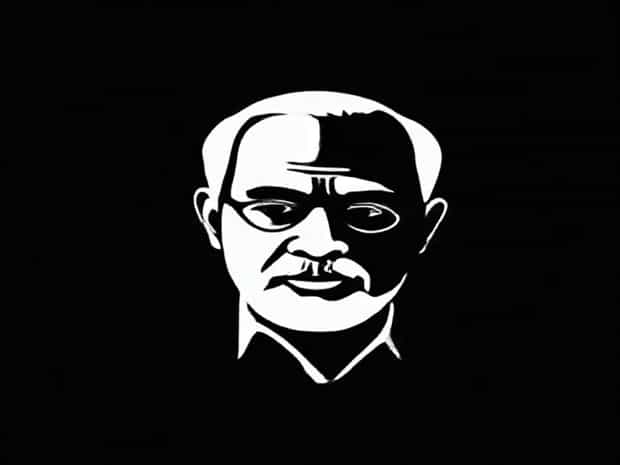
First Indian Magsaysay Award Winner
The Magsaysay Award, often referred to as Asia’s Nobel Prize, has recognized numerous outstanding individuals for their exceptional contributions to society, governance, and public service. Among the early recipients of this prestigious award, India has had a remarkable presence, with individuals whose work has not only transformed their communities but also inspired future generations. Understanding who the first Indian Magsaysay Award winner was offers a window into the historical context, social impact, and enduring legacy of the award in India. It also sheds light on the values and principles that guided the early recipients in promoting integrity, service, and leadership across the country.
Understanding the Magsaysay Award
Before diving into the identity and achievements of the first Indian recipient, it is essential to understand the significance of the Magsaysay Award. Established in 1957 in honor of Ramon Magsaysay, the former President of the Philippines, the award was designed to recognize individuals in Asia who demonstrate exceptional integrity, courage, and commitment to public service. The award spans multiple categories including government service, public service, community leadership, journalism, literature, and creative arts.
The award seeks to celebrate individuals who bring transformative change to society, often under challenging circumstances. Over the decades, it has grown into one of Asia’s most prestigious recognitions, with recipients whose contributions have had far-reaching effects across nations.
The First Indian Magsaysay Award Winner
India’s first Magsaysay Award winner was Vinoba Bhave, a prominent social reformer, and close associate of Mahatma Gandhi. He received the award in 1958, just a year after the award’s inception. Vinoba Bhave was widely celebrated for his pioneering work in the field of land reform and rural development, particularly through the Bhoodan Movement, which he initiated to encourage landowners to voluntarily donate a portion of their land to landless farmers.
Vinoba Bhave and the Bhoodan Movement
The Bhoodan Movement, also known as the Land Gift Movement,” was initiated by Vinoba Bhave in 1951. The movement aimed at addressing social inequality by persuading wealthy landowners to donate a small percentage of their land to poor and landless farmers. Vinoba traveled extensively across India, walking from village to village, spreading his message of nonviolence, social justice, and equitable distribution of resources.
His efforts were rooted in Gandhian principles, emphasizing voluntary action, moral persuasion, and selfless service to society. Vinoba’s approach was unique because it sought to create change not through coercion or legislation alone but through personal conviction and community involvement. This movement eventually resulted in the donation of thousands of acres of land to those in need, directly improving the lives of countless rural families.
Impact of Vinoba Bhave’s Work
Vinoba Bhave’s contributions extended far beyond land reform. His philosophy influenced social activism, education, and rural development across India. Through the Magsaysay Award, his work gained international recognition, highlighting the importance of grassroots initiatives in solving societal problems. By acknowledging his efforts, the award not only honored Bhave but also brought global attention to India’s social reform movements during the mid-20th century.
Social and Cultural Significance
The recognition of Vinoba Bhave as the first Indian Magsaysay Award winner carried profound social and cultural significance. It demonstrated that the principles of nonviolence, voluntary service, and community engagement were not only locally impactful but also globally inspirational. His recognition encouraged other social reformers in India to pursue projects aimed at societal improvement, reinforcing the idea that dedicated individuals could bring transformative change even in challenging conditions.
Legacy of the First Indian Recipient
Vinoba Bhave’s legacy continues to inspire generations of social activists, policymakers, and ordinary citizens. The principles he championed equity, compassion, and ethical leadership remain relevant in today’s context of social inequality and rural development challenges. The recognition by the Magsaysay Award set a benchmark for future Indian recipients, emphasizing the importance of sustained commitment to societal welfare, ethical conduct, and community-driven solutions.
Subsequent Indian Winners
Following Vinoba Bhave, many other Indians have received the Magsaysay Award in various fields, further cementing India’s place in the history of this prestigious recognition. These winners have made contributions ranging from rural development and education to journalism, governance, and human rights. The Magsaysay Award’s acknowledgment of Indian leaders has helped showcase the nation’s commitment to social change and ethical public service.
Why the Award Matters Today
Understanding the importance of the Magsaysay Award in India helps contextualize the enduring value of public service and social reform. Recognitions like these encourage individuals to pursue meaningful contributions, provide role models for society, and highlight the impact that ethical and dedicated leadership can have on communities. The first Indian recipient, Vinoba Bhave, exemplifies how individual action, guided by strong moral principles, can lead to widespread positive change.
Educational and Inspirational Value
The Magsaysay Award, through recipients like Vinoba Bhave, offers educational value by demonstrating practical applications of social reform theories. Students, activists, and policymakers can study these contributions to understand effective strategies for community engagement, problem-solving, and leadership. The award also serves as an inspiration, motivating future leaders to prioritize social good over personal gain.
The story of the first Indian Magsaysay Award winner is not merely about recognition but about the embodiment of values such as integrity, dedication, and social responsibility. Vinoba Bhave’s work in the Bhoodan Movement showcased how grassroots initiatives can effectively address societal challenges and create lasting change. His legacy continues to influence modern social reformers and leaders, reinforcing the idea that thoughtful, compassionate, and committed action can transform communities and inspire nations. The Magsaysay Award, by honoring such individuals, plays a vital role in promoting ethical leadership and community service across Asia, making it an enduring symbol of excellence and dedication.