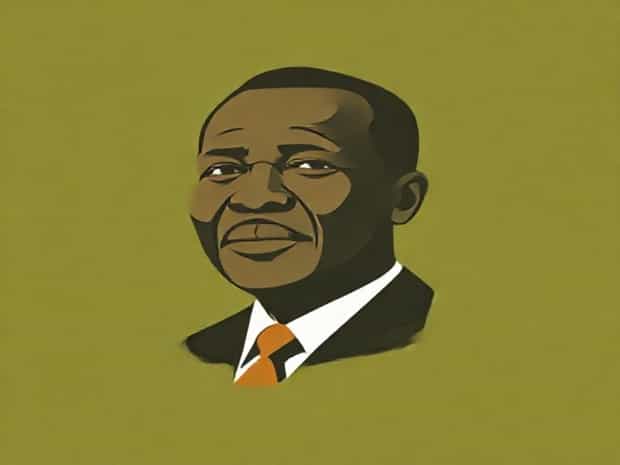
First Hutu President Of Rwanda
The history of Rwanda is marked by deep ethnic divisions between the Hutu and Tutsi communities, which have shaped the nation’s political landscape for decades. One of the most significant milestones in Rwandan history was the rise of the first Hutu president, a moment that symbolized a major shift in political power. This transition was the result of a complex interplay of social, economic, and political factors that culminated in the end of Tutsi-dominated leadership and the beginning of Hutu-led governance. Understanding the context and implications of this presidency provides crucial insight into Rwanda’s modern history and the events that followed.
Historical Background of Rwanda
Before the rise of the first Hutu president, Rwanda was under a Tutsi monarchy for centuries. The Tutsi elite held significant political, social, and economic power, while the majority Hutu population was largely marginalized. European colonization, particularly by Belgium, further entrenched these divisions by implementing identity cards and administrative systems that reinforced ethnic hierarchies. During the colonial period, Tutsis were favored for leadership positions, while Hutus were primarily assigned to agricultural labor and local administration, deepening societal inequities.
Colonial Influence and Ethnic Tensions
- Belgian colonizers formalized ethnic classifications and privileged Tutsis.
- Hutu resentment grew as social and political exclusion persisted.
- Missionary education often focused on elite Tutsi children, reinforcing divisions.
- Economic disparities contributed to tensions between the two groups.
The Rise of Hutu Political Movements
In the 1950s, political movements advocating for Hutu rights and representation began to emerge. Hutu intellectuals and leaders started to challenge Tutsi dominance, calling for social reform and political inclusion. Newspapers and political parties, such as the Parmehutu (Party of the Hutu Emancipation Movement), played a significant role in mobilizing the Hutu majority and raising awareness about longstanding inequalities. These movements were influenced both by internal pressures and the changing global landscape, including the wave of decolonization sweeping across Africa.
Key Developments Leading to Hutu Leadership
- Formation of political parties promoting Hutu emancipation.
- Mobilization of rural populations in support of social and political reform.
- Growing international support for majority rule and decolonization.
- Increased tension and occasional violence between Hutu and Tutsi communities.
Election of the First Hutu President
In 1961, after a period of civil unrest and political negotiations, Rwanda held elections that ultimately led to the rise of the first Hutu president. This historic election marked the end of centuries of Tutsi dominance and the beginning of a Hutu-led government. The new president represented the aspirations of the majority Hutu population and sought to restructure Rwandan society in a way that addressed historical inequities. His rise to power was met with both enthusiasm among Hutus and concern from Tutsis who feared marginalization and persecution.
Significance of the Presidency
- Symbolized the shift of political power to the Hutu majority.
- Served as a catalyst for social and political reforms favoring Hutus.
- Heightened ethnic tensions as Tutsis faced restrictions and violence.
- Laid the groundwork for future conflicts and eventual genocide.
Impact on Rwandan Society
The ascension of the first Hutu president brought significant changes to Rwandan society. Policies were implemented to increase Hutu representation in government, education, and civil service. Land reforms and social programs aimed to empower the Hutu majority, while the Tutsi population experienced restrictions and, in some areas, persecution. The shift in power also affected regional politics, as neighboring countries observed Rwanda’s transformation with interest, influencing the broader dynamics of East African politics during the decolonization period.
Social and Political Changes
- Hutu individuals gained greater access to education and government positions.
- New policies aimed at redistributing wealth and land from Tutsis to Hutus.
- Heightened surveillance and control over Tutsi communities.
- Ethnic tensions escalated, leading to episodes of violence and displacement.
Long-Term Consequences
While the election of the first Hutu president was initially celebrated as a victory for majority rule, it also set the stage for decades of ethnic tension and conflict. The exclusion and persecution of Tutsis during this period contributed to cycles of resentment and violence. This period of Hutu dominance eventually culminated in the tragic Rwandan genocide of 1994, when extremist elements within the Hutu population orchestrated a mass killing of Tutsis. Understanding the rise of the first Hutu president is therefore essential to comprehending the broader historical trajectory that led to both social transformation and catastrophic conflict in Rwanda.
Legacy of the First Hutu President
- Redefined political power and ethnic representation in Rwanda.
- Inspired both reforms and resentment that shaped subsequent generations.
- Provided context for the eventual rise of extremist movements.
- Remains a critical historical figure in studies of ethnic politics in Africa.
The election of the first Hutu president of Rwanda represents a pivotal moment in the country’s history, marking the shift from Tutsi dominance to Hutu political leadership. This transition was shaped by centuries of ethnic stratification, colonial policies, and emerging political movements advocating for Hutu rights. While the presidency brought opportunities for social reform and greater inclusion of the Hutu majority, it also intensified ethnic tensions that would have devastating consequences in later decades. Understanding this period is crucial for analyzing Rwanda’s complex political history and the factors that influenced both progress and conflict in the nation’s journey toward modern statehood.