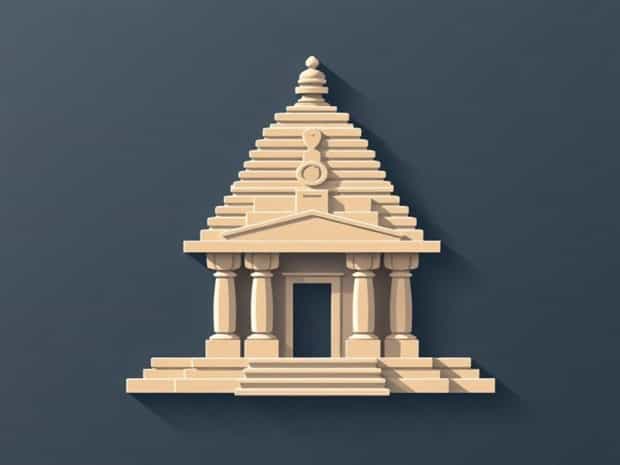
First Dravidian Style Temple
The first Dravidian style temple marks a significant milestone in the history of South Indian architecture, reflecting the cultural, religious, and artistic evolution of the region. Dravidian architecture, characterized by its pyramid-shaped towers, intricately carved stone pillars, and elaborate sculptures, developed over centuries in the southern part of India. The earliest temples laid the foundation for later grand temple complexes that became centers of worship, learning, and social activity. These early structures not only served religious purposes but also showcased the ingenuity and craftsmanship of the Dravidian civilization, blending functional design with artistic expression. Exploring the origins and features of the first Dravidian style temple helps us understand the historical context, architectural innovations, and spiritual significance of these remarkable monuments.
Historical Background of Dravidian Architecture
Dravidian architecture evolved primarily in the southern Indian states of Tamil Nadu, Karnataka, Andhra Pradesh, and Kerala. The style is distinguished by its emphasis on stone construction, intricate carvings, and monumental scale. Early temples in this style were influenced by local traditions, including wood and brick constructions, gradually transitioning to stone as resources and techniques improved. These temples were built not only for worship but also as symbols of political power, cultural identity, and artistic excellence. The earliest examples date back to the Pallava period, around the 7th century CE, although certain elements of Dravidian architecture may have roots in earlier prehistoric structures and cave temples.
Pallava Dynasty Contributions
- Patronage of temple construction and stone sculpting techniques.
- Development of rock-cut and structural temples in Mahabalipuram.
- Integration of religious symbolism with architectural innovation.
- Influence on subsequent Chola, Pandya, and Vijayanagara temple designs.
The First Dravidian Style Temple
The first Dravidian style temple is widely regarded as the rock-cut temples of Mahabalipuram built during the reign of Pallava kings. These temples, also known as rathas or monolithic shrines, were carved directly out of granite boulders and represent some of the earliest examples of fully realized Dravidian architectural features. The Shore Temple, built in the early 8th century CE, is one of the most famous surviving examples. It demonstrates the transition from simple rock-cut shrines to complex structural temples with pyramidal vimanas (towers) and intricately decorated exteriors. These early temples set the stage for the grand stone temple complexes that flourished under the Cholas and other South Indian dynasties.
Key Features of Early Dravidian Temples
- Vimana Pyramid-shaped tower above the sanctum, often richly sculpted.
- Mandapa Pillared hall for congregational worship and ceremonies.
- Garbhagriha Sanctum sanctorum housing the main deity.
- Intricate carvings Depictions of gods, goddesses, mythological stories, and floral patterns.
- Monolithic construction Some temples carved from a single rock or constructed using large stone blocks.
Architectural Innovations in the First Temples
Early Dravidian temples demonstrated remarkable architectural innovations. The use of durable granite ensured longevity, while precise stone carving techniques allowed for detailed iconography. Architects developed proportional layouts based on Vastu Shastra, an ancient Indian system of design and construction. The alignment of the temple with cardinal directions, placement of deities, and creation of mandapas for rituals reflect a sophisticated understanding of geometry, space, and spiritual symbolism. The Shore Temple, for instance, combines aesthetic appeal with structural stability, standing resilient against centuries of coastal weathering.
Rock-Cut vs. Structural Temples
- Rock-cut temples were carved from existing boulders or cliffs, providing both strength and artistic expression.
- Structural temples involved assembling large stone blocks, allowing for larger complexes and multi-tiered towers.
- Transition between rock-cut and structural styles illustrates the evolution of construction techniques and temple layouts.
- Both methods emphasized alignment, proportion, and iconographic detail to serve religious and aesthetic purposes.
Religious and Cultural Significance
The first Dravidian style temples were not merely architectural achievements; they played central roles in religious and cultural life. Temples served as hubs for worship, festivals, and education, promoting the practice of Hinduism while supporting art, music, and dance. The intricate carvings and sculptures often depicted scenes from epics like the Ramayana and Mahabharata, educating devotees and preserving mythological traditions. These temples symbolized divine presence on earth, providing a sacred space for rituals and spiritual contemplation, while also reflecting the wealth and influence of ruling dynasties.
Community and Societal Role
- Centers for religious gatherings, festivals, and ritual observances.
- Support for arts and crafts through patronage of sculptors, painters, and musicians.
- Educational hubs for philosophy, scriptures, and traditional sciences.
- Symbols of political power and cultural identity for local rulers and dynasties.
Legacy and Influence
The first Dravidian style temples laid the foundation for centuries of temple architecture in South India. Later dynasties, particularly the Cholas, expanded upon these designs, building monumental complexes such as the Brihadeeswarar Temple in Thanjavur. The features developed in early Dravidian temples vimanas, mandapas, and ornate carvings became standard elements in subsequent temple architecture. These temples continue to influence modern design and attract scholars, historians, and tourists, preserving cultural heritage and demonstrating the enduring appeal of Dravidian artistry.
Influence on Later Temples
- Chola temples adopted and enhanced pyramidal vimanas and expansive mandapas.
- Pandya and Vijayanagara dynasties introduced towering gopurams and elaborate entrance gateways.
- Integration of temple complexes with water tanks, gardens, and festival halls.
- Enduring inspiration for modern architecture, restoration projects, and cultural tourism.
The first Dravidian style temple represents a significant moment in South Indian history, combining religious devotion with architectural innovation. These early temples, particularly the rock-cut shrines of Mahabalipuram, established the principles of design, proportion, and ornamentation that defined Dravidian architecture for centuries. They served not only as centers of worship but also as cultural hubs, supporting art, education, and community life. Understanding these temples provides insight into the technological, artistic, and spiritual achievements of early South Indian civilizations. Their legacy continues to inspire and educate, demonstrating the enduring significance of the first Dravidian style temples in India’s cultural and architectural history.