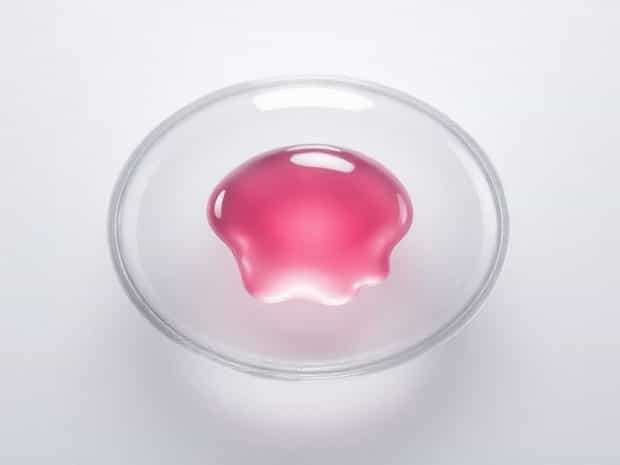
Fills The Cell With A Jellylike Substance
Every cell in the human body and in all living organisms contains a substance that fills the interior space, providing structure, support, and a medium for various cellular activities. This jellylike substance, commonly known as cytoplasm, is a fundamental component of both plant and animal cells. Understanding its composition, function, and importance is essential for students, researchers, and anyone interested in cell biology, as it plays a central role in maintaining life at the microscopic level.
What is Cytoplasm?
Cytoplasm is a thick, jellylike substance that occupies the space between the cell membrane and the nucleus in eukaryotic cells. It is composed mainly of water, proteins, salts, and various organic molecules. Cytoplasm serves as the medium in which cellular organelles are suspended, allowing them to perform their specific functions efficiently. In prokaryotic cells, which lack a defined nucleus, cytoplasm fills the entire interior of the cell and hosts all the cellular machinery.
Composition of Cytoplasm
The cytoplasm is primarily made up of the following components
- WaterMakes up about 70-80% of the cytoplasm and acts as a solvent for chemical reactions.
- ProteinsStructural proteins and enzymes that facilitate various cellular processes.
- Salts and ionsEssential for maintaining osmotic balance and supporting enzyme function.
- OrganellesStructures such as mitochondria, endoplasmic reticulum, and Golgi apparatus are suspended within the cytoplasm.
- Small moleculesNutrients, waste products, and signaling molecules that participate in metabolic activities.
Functions of the Jellylike Substance in Cells
The cytoplasm performs a variety of critical functions that are essential for the survival and efficiency of the cell. Its jellylike consistency allows organelles to remain suspended, preventing them from colliding or sinking to the bottom of the cell while facilitating movement and transport within the cell.
Supports Cellular Structures
Cytoplasm provides a supportive framework for organelles, maintaining their position within the cell. The cytoskeleton, a network of protein filaments embedded within the cytoplasm, helps maintain the cell’s shape, supports organelle placement, and allows for intracellular transport. This structural support is crucial for processes such as cell division, movement, and maintaining overall cellular integrity.
Medium for Chemical Reactions
Many vital biochemical reactions occur within the cytoplasm, including glycolysis, protein synthesis, and lipid metabolism. The water-rich environment allows enzymes and substrates to diffuse easily, facilitating rapid and efficient chemical reactions. The cytoplasm ensures that these reactions occur in a controlled and organized manner, enabling the cell to function properly and respond to changes in its environment.
Transport of Materials
The cytoplasm acts as a transport medium for materials within the cell. Nutrients, ions, and molecules move through the cytoplasm to reach organelles where they are needed. This transport can occur through simple diffusion, facilitated diffusion, or active transport, depending on the concentration gradients and energy requirements. The cytoplasmic streaming observed in some plant cells is another example of how the cytoplasm aids in distributing substances throughout the cell.
Protection and Cushioning
The jellylike consistency of cytoplasm provides a cushioning effect that protects delicate organelles from mechanical shocks or damage. This is particularly important in animal cells that may be exposed to external forces or movement. By absorbing and distributing mechanical stress, the cytoplasm ensures that organelles remain functional and intact.
Storage of Essential Substances
Cytoplasm also serves as a storage site for essential molecules such as amino acids, sugars, and ions. These stored molecules can be mobilized when the cell requires energy or building blocks for growth, repair, or reproduction. The cytoplasm ensures that these resources are readily available, supporting cellular metabolism and overall homeostasis.
Specialized Cytoplasmic Structures
Within the cytoplasm, there are specialized structures that enhance the efficiency of cellular functions. These include
- RibosomesResponsible for protein synthesis, ribosomes float freely in the cytoplasm or attach to the rough endoplasmic reticulum.
- MitochondriaOften referred to as the powerhouse of the cell, mitochondria produce energy in the form of ATP through cellular respiration.
- Endoplasmic Reticulum (ER)The ER facilitates protein and lipid synthesis and provides a transport network within the cytoplasm.
- Golgi ApparatusProcesses, packages, and distributes proteins and lipids, working closely with the cytoplasmic transport system.
- Lysosomes and PeroxisomesInvolved in digestion and detoxification of cellular waste, suspended in the cytoplasm for accessibility.
Role in Cellular Communication
The cytoplasm is not just a passive medium; it actively participates in cellular signaling. Many signal transduction pathways involve cytoplasmic proteins that relay messages from the cell surface to the nucleus. This allows the cell to respond appropriately to external stimuli, coordinate growth, and trigger programmed cell death when necessary. Cytoplasmic signaling ensures that cells function in a coordinated manner within tissues and organs.
Impact on Health and Disease
Proper cytoplasmic function is essential for maintaining cellular health. Disruptions in cytoplasmic activities can lead to diseases, such as metabolic disorders, neurodegenerative conditions, and infections. For example, defects in cytoplasmic transport proteins can impair the movement of vital molecules, leading to cellular dysfunction. Studying cytoplasmic dynamics provides valuable insights into disease mechanisms and potential therapeutic interventions.
In summary, the jellylike substance that fills the cell, known as cytoplasm, is a crucial component of all living cells. It supports cellular structures, facilitates chemical reactions, enables material transport, protects organelles, and participates in signaling pathways. The cytoplasm is indispensable for maintaining life, ensuring that every cell can perform its functions efficiently and respond to changes in its environment. Understanding the role of cytoplasm provides a fundamental insight into cellular biology and underscores the intricate design that sustains life at the microscopic level.