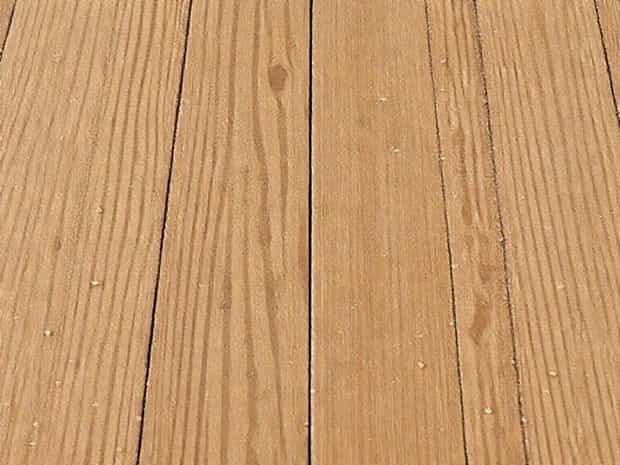
Filling Floorboard Gaps With Sawdust
Filling floorboard gaps with sawdust is an effective and cost-efficient method for homeowners and DIY enthusiasts who want to restore the appearance and functionality of wooden floors. Over time, wood naturally expands and contracts due to humidity changes, leading to small gaps between floorboards. These gaps can collect dust, dirt, and debris, reduce energy efficiency, and even cause uneven surfaces. Using sawdust as a filler combined with wood glue or other binding agents allows for a seamless repair that matches the wood’s natural color and texture. Understanding the process, materials, and best practices ensures a durable and visually appealing finish that prolongs the life of your flooring.
Understanding Floorboard Gaps
Floorboard gaps are common in older homes or areas with significant seasonal humidity changes. These gaps can range from tiny cracks to wider spaces that become noticeable when walking on the floor. Addressing these gaps is important not only for aesthetics but also for maintaining the structural integrity of the floor and preventing further damage caused by dirt accumulation or moisture infiltration.
Causes of Gaps
- Wood ShrinkageWood naturally shrinks as it loses moisture, especially during dry seasons or in heated indoor environments.
- Installation IssuesImproper spacing during installation can lead to uneven gaps over time.
- Temperature and Humidity FluctuationsSeasonal changes can cause wood to expand and contract, increasing the visibility of gaps.
- Wear and TearRegular foot traffic and weight from furniture can slightly shift floorboards, creating small spaces between planks.
Materials Needed for Filling Floorboard Gaps
Filling gaps with sawdust requires a few key materials to ensure a durable and visually cohesive repair. Selecting the right type of wood and binding agent is essential for achieving the best results.
Sawdust
Sawdust is collected from sanding or cutting wood and can be sourced from the same type of wood as your floorboards to ensure color and texture matching. Using matching sawdust helps create a seamless finish that blends naturally with the existing floor.
Wood Glue or Adhesive
Mixing sawdust with wood glue or a suitable adhesive creates a paste that can be pressed into gaps and allowed to harden. This mixture ensures the filler adheres properly to the floorboards and remains stable over time. High-quality wood glue is preferred because it dries clear and provides a strong bond.
Sandpaper and Cleaning Tools
After the filler dries, sanding the area smooth is crucial for a uniform surface. Fine-grit sandpaper is typically used to avoid scratching the surrounding wood. A vacuum or soft brush is also necessary to remove any debris before and after filling the gaps.
Step-by-Step Process to Fill Floorboard Gaps
Following a systematic approach ensures a professional-looking result when filling floorboard gaps with sawdust.
1. Prepare the Floor
Start by cleaning the gaps thoroughly using a vacuum or soft brush to remove dirt, dust, and debris. This ensures proper adhesion of the sawdust mixture and prevents uneven surfaces. If necessary, lightly sand the edges of the gaps to create a smooth surface for the filler.
2. Mix Sawdust and Glue
Combine sawdust with wood glue in a small container to form a thick paste. The consistency should be similar to peanut butter, allowing it to be pressed into the gaps without dripping. Using sawdust from the same wood type ensures the color blends seamlessly with the existing floorboards.
3. Apply the Filler
Press the sawdust and glue mixture firmly into each gap using a putty knife or similar tool. Ensure the filler completely fills the space, slightly overfilling to account for shrinkage as the glue dries. Work systematically along the floorboards to maintain consistency.
4. Remove Excess Filler
After filling the gaps, remove excess paste from the surface of the floorboards with a damp cloth or scraper. Be careful not to remove material from the gaps themselves. This step prevents unnecessary sanding later and reduces the risk of damaging surrounding wood.
5. Allow to Dry
Let the sawdust and glue mixture dry completely according to the glue manufacturer’s instructions. Drying times can vary depending on the type of adhesive used, humidity, and temperature. Full curing ensures a stable and durable filler.
6. Sand the Surface
Once the filler is dry, lightly sand the filled areas with fine-grit sandpaper to create a smooth, level surface. This helps the repair blend seamlessly with the surrounding floorboards. After sanding, vacuum or wipe the floor to remove all dust and debris.
7. Finish and Protect
Apply a suitable wood finish, stain, or sealant to match the existing floorboards. This step enhances the appearance, protects the filler, and maintains the longevity of the repair. A finish consistent with the floor’s original treatment ensures the repair is virtually invisible.
Tips for Best Results
- Use sawdust from the same wood species as your floor to achieve a natural color match.
- Test the sawdust and glue mixture on a small, hidden area first to check for color compatibility.
- Work in small sections to ensure precise application and minimize errors.
- Maintain proper ventilation while using glue and finishes to ensure safety and faster drying.
- Regularly inspect and maintain filled gaps to prevent future shrinkage or separation.
Advantages of Using Sawdust for Floorboard Gaps
Filling floorboard gaps with sawdust is cost-effective, environmentally friendly, and customizable. Sawdust is often a byproduct of woodworking, making it an economical choice. Additionally, mixing it with glue allows homeowners to create a filler that matches their specific flooring, providing a professional and long-lasting repair without the need for commercial fillers or extensive floor replacement.
Filling floorboard gaps with sawdust is a practical and efficient solution for maintaining the beauty and functionality of wooden floors. By understanding the causes of gaps, selecting appropriate materials, and following a systematic application process, homeowners can achieve seamless repairs that blend naturally with existing floorboards. Proper preparation, attention to detail, and finishing techniques ensure durability and aesthetic appeal, making sawdust an excellent choice for gap-filling projects. Whether in older homes with seasonal shrinkage or high-traffic areas prone to wear, this method provides a reliable, cost-effective, and visually satisfying solution for wooden floor maintenance.