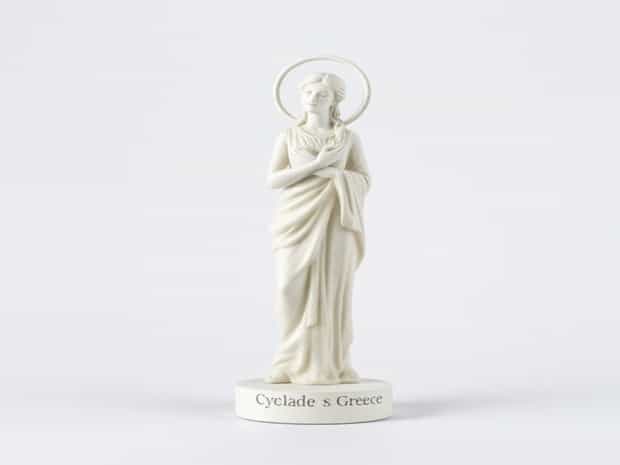
Figurine Of A Woman From Syros Cyclades Greece
The Cycladic civilization, which thrived in the Aegean islands during the Early Bronze Age, produced some of the most intriguing and enigmatic artworks of ancient Greece. Among these are the famous figurines of women from Syros in the Cyclades, which continue to fascinate historians, archaeologists, and art enthusiasts alike. These small, marble sculptures are renowned for their minimalist design, elegant proportions, and symbolic significance, reflecting the cultural, religious, and artistic values of the Cycladic people. Studying these figurines offers a glimpse into the daily life, spiritual beliefs, and aesthetic sensibilities of an ancient civilization that flourished over four thousand years ago.
Historical Context of the Cycladic Figurines
The Cycladic civilization emerged around 3200 BCE and lasted until approximately 2000 BCE, with Syros being one of its central hubs. The islands were home to thriving communities engaged in maritime trade, agriculture, and craft production. During this period, the Cycladic people developed a distinctive artistic style, particularly visible in their creation of marble figurines. These figurines were primarily found in graves, suggesting a connection to funerary practices and beliefs in the afterlife. Scholars believe that these figurines served both religious and symbolic functions, acting as offerings or representations of deities, ancestors, or protective spirits.
Characteristics of the Syros Cycladic Female Figurines
- Material Typically carved from fine-grained white marble sourced locally on the islands.
- Form Simplified, abstract shapes with smooth surfaces and minimal detailing.
- Posture Most figurines are depicted in a reclining or folded-arm position, often lying flat on their backs.
- Proportions Long necks, elongated torsos, and stylized features such as folded arms or geometric indications of facial elements.
- Decoration Occasionally painted with red or black pigments to highlight eyes, hair, or clothing patterns.
The aesthetic of these figurines emphasizes abstraction and geometric form over naturalistic representation, giving them a timeless and universal quality that continues to inspire modern artists and designers.
Symbolism and Function
The figurines of women from Syros have sparked extensive debate regarding their intended purpose and meaning. Archaeologists suggest that these sculptures may have been connected to fertility, religious worship, or social identity. The consistent depiction of female forms implies that women held symbolic importance in Cycladic society, possibly as figures of fertility, motherhood, or protection. The placement of these figurines in graves indicates a belief in their role as companions or guardians for the deceased, ensuring a safe journey into the afterlife.
Religious and Cultural Significance
Many scholars argue that the figurines represent a goddess or maternal figure, reflecting the Cycladic people’s veneration of female deities. The abstract and minimalist style may have been intentional, focusing attention on the symbolic essence rather than individual characteristics. The figurines’ small size and portability allowed them to be placed in domestic shrines or personal graves, further emphasizing their connection to both private devotion and communal ritual practices.
Artistic Techniques and Craftsmanship
The creation of a Syros Cycladic female figurine required skill and precision. Artisans worked with marble using simple tools such as chisels, abrasive stones, and drills to achieve smooth surfaces and precise forms. The delicate execution of proportions, especially the elongated limbs and folded arms, demonstrates advanced understanding of human anatomy and aesthetic balance. In some instances, pigments were applied to accentuate specific features, though most of the original coloring has faded over millennia. The combination of technical skill, artistic vision, and symbolic intent makes these figurines remarkable achievements of early European art.
Influence on Modern Art
The abstract and minimalist qualities of Cycladic figurines have profoundly influenced modern artists, including Pablo Picasso and Constantin BrâncuÈi. The emphasis on simplified forms, geometric shapes, and elegant proportions resonates with the principles of modern sculpture and design. Museums and art historians often highlight the connection between these ancient works and contemporary art movements, showing how the aesthetic sensibilities of a small Aegean civilization continue to shape global artistic expression.
Discovery and Archaeological Study
The first systematic excavations of Syros and other Cycladic islands began in the late 19th and early 20th centuries. Archaeologists uncovered numerous graves containing marble figurines, pottery, and other grave goods, shedding light on the burial practices and cultural life of the Cycladic people. These discoveries helped establish typologies of Cycladic art, categorizing figurines by posture, style, and period. The Syros figurines, often classified as canonical examples of folded-arm female forms, became key references for studying Early Cycladic art and its evolution over time.
Conservation and Museum Collections
Many Syros Cycladic female figurines are now preserved in major museums around the world, including the National Archaeological Museum in Athens, the Metropolitan Museum of Art in New York, and the British Museum in London. Conservation efforts focus on preventing further deterioration of the marble, preserving traces of original pigment, and documenting stylistic features for research purposes. These figurines continue to attract scholarly attention and public fascination, offering insights into ancient craftsmanship, aesthetics, and cultural values.
Interpreting the Figurines Today
While much about the Syros Cycladic female figurines remains enigmatic, modern scholarship emphasizes their significance as both artistic and cultural artifacts. They provide a window into the Early Bronze Age, reflecting the religious beliefs, social structures, and aesthetic ideals of the Cycladic people. Through careful study and interpretation, researchers continue to explore questions about gender roles, symbolic meaning, and the intersection of art and ritual in ancient Greece.
The figurines of women from Syros in the Cyclades stand as enduring symbols of ancient artistic achievement and cultural expression. Their abstract beauty, technical mastery, and symbolic depth illustrate the sophistication of the Cycladic civilization and its lasting influence on art history. By examining these artifacts, we gain a richer understanding of early Greek society, its spiritual beliefs, and its remarkable contributions to the development of European art. The legacy of these small marble sculptures continues to inspire, educate, and captivate audiences, bridging millennia and connecting the past to the present.