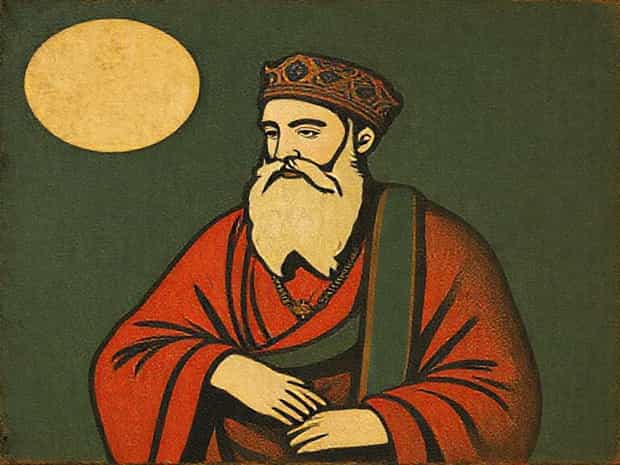
Famous Painter Of The Safavid Era
The Safavid era, which lasted from 1501 to 1736, marked a significant period in Persian history known for its cultural, architectural, and artistic achievements. Among these accomplishments, painting flourished as a distinct and influential art form that reflected the sophistication and elegance of the Safavid court. Famous painters of the Safavid era contributed to the development of Persian miniature painting, manuscript illustration, and royal portraiture, leaving a legacy that continues to influence art today. Their works combined intricate detail, vibrant colors, and poetic storytelling, making Safavid painting a crucial part of world art history.
The Safavid Court and Artistic Patronage
The Safavid dynasty established its capital in Isfahan, which became a thriving center of art, architecture, and literature. The court encouraged artists, poets, and scholars, creating an environment that valued creativity and refinement. Patronage played a vital role in shaping the artistic output of the era, as royal support allowed painters to experiment with new techniques and themes. Manuscripts commissioned by the Shah often featured lavish illustrations that required collaboration among calligraphers, painters, and binders. The result was a harmonious blend of text and image that embodied the aesthetic ideals of the Safavid period.
Characteristics of Safavid Painting
Safavid paintings are renowned for their exquisite attention to detail, rich color palettes, and complex compositions. Common themes included courtly life, historical events, epic poetry, and religious narratives. Artists often depicted figures with delicate facial expressions and intricate clothing patterns, highlighting both realism and stylization. Nature, including gardens, rivers, and animals, played an essential role in the compositions, reflecting the Persian appreciation for beauty and harmony. The interplay of architectural elements, landscapes, and human figures demonstrated the painter’s skill in balancing multiple components within a confined space, creating a sense of depth and narrative.
Famous Painters of the Safavid Era
Several painters from the Safavid era are remembered for their exceptional contributions to Persian art. One prominent figure is Reza Abbasi, who worked in the late 16th and early 17th centuries. He is best known for his individual portrait miniatures, which often depicted elegant young men or women in intimate, expressive poses. Reza Abbasi’s work marked a departure from the large, collaborative manuscript illustrations that dominated earlier Safavid painting, emphasizing personal expression and refined technique. His influence extended beyond his lifetime, shaping the stylistic evolution of Persian miniature painting.
Behzad and the Legacy of Miniature Painting
Another significant painter associated with the Safavid period is Kamal-ud-Din Behzad, although his career began slightly earlier, his influence permeated the Safavid artistic milieu. Behzad was known for elevating miniature painting to unprecedented levels of sophistication, combining vivid colors, complex compositions, and psychological depth in his figures. His innovative approach inspired many Safavid artists who continued to develop miniature painting as a highly esteemed art form. Manuscripts illustrated under his influence, such as the Shahnameh and other poetic works, became iconic representations of Persian artistic excellence.
Techniques and Materials
Safavid painters employed various techniques and materials that contributed to the distinctive quality of their works. Water-based pigments were carefully prepared to achieve vivid, lasting colors. Gold and silver were often used to highlight details and enhance the visual impact of illustrations. Brushes made from fine animal hairs allowed for precise, delicate strokes, essential for rendering intricate patterns and facial features. Artists also mastered layering techniques, which enabled them to create subtle shading, depth, and texture. The meticulous preparation of paper, often burnished to create a smooth surface, further enhanced the luminosity and refinement of Safavid paintings.
Manuscript Illustration and Collaboration
Illustration of manuscripts was a major focus of Safavid painters. These projects often involved collaborative work, with different specialists contributing to calligraphy, painting, and binding. The resulting manuscripts were not only functional texts but also luxurious art objects, showcasing the collective skill of multiple artists. Famous Safavid manuscripts include illustrated versions of Ferdowsi’s Shahnameh, Jami’s Haft Awrang, and Nizami’s Khamsa. The careful integration of text and imagery created a harmonious narrative experience, highlighting the interplay between literature and visual art in Persian culture.
Influence and Legacy
The influence of Safavid painters extended well beyond their own era. Their approach to composition, color, and detail informed later Persian art, as well as the art of neighboring regions. The delicate depiction of human figures, the stylized treatment of nature, and the narrative complexity of miniature painting became hallmarks of Persian artistic tradition. Safavid paintings also influenced European artists who encountered Persian manuscripts through trade and diplomacy, contributing to the broader exchange of artistic ideas across continents. Today, these works are highly valued in art collections and continue to inspire contemporary artists around the world.
Notable Works and Collections
Many masterpieces from the Safavid era are preserved in museums and private collections globally. Reza Abbasi’s individual miniatures, often featuring solitary figures with subtle gestures, are prized for their elegance and refinement. Manuscripts illustrated by Safavid workshops, including epic narratives and poetic works, are celebrated for their intricate compositions and rich detail. Collections in the British Museum, the Metropolitan Museum of Art, and Tehran’s National Museum of Iran showcase some of the finest examples of Safavid painting, allowing viewers to appreciate the technical mastery and aesthetic sophistication of this remarkable period in art history.
Challenges in Preserving Safavid Paintings
Preserving Safavid paintings presents several challenges due to the delicate nature of paper, pigments, and gold leaf. Exposure to light, humidity, and temperature fluctuations can lead to fading, discoloration, or deterioration of materials. Conservation efforts require specialized knowledge and techniques to maintain the integrity of these works. Museums and collectors must balance access with protection, using controlled environments and careful handling to ensure that these treasures survive for future generations. The preservation of Safavid paintings is essential for maintaining a tangible connection to the cultural and artistic achievements of the Safavid era.
Modern Appreciation and Study
Scholars and art historians continue to study Safavid painting to understand its historical context, techniques, and stylistic developments. Research into individual painters, workshops, and manuscript production sheds light on the social, cultural, and political factors that shaped artistic output. Exhibitions, publications, and academic programs promote awareness and appreciation of Safavid art, highlighting its significance within the broader history of world art. Contemporary artists also draw inspiration from Safavid techniques, motifs, and compositions, demonstrating the enduring relevance of this artistic heritage.
The Safavid era represents a pinnacle of Persian painting, characterized by elegance, precision, and narrative richness. Famous painters such as Reza Abbasi and the legacy of Behzad exemplify the artistic excellence of the period, blending intricate detail with expressive figures and imaginative compositions. Their contributions to miniature painting, manuscript illustration, and courtly art established standards of beauty and sophistication that influenced generations of artists. Through careful study, preservation, and exhibition, Safavid paintings continue to captivate audiences, offering a window into the cultural, aesthetic, and intellectual achievements of one of Persia’s most remarkable eras. These works remain a testament to the enduring power of visual storytelling and the creativity fostered under royal patronage in the Safavid court.