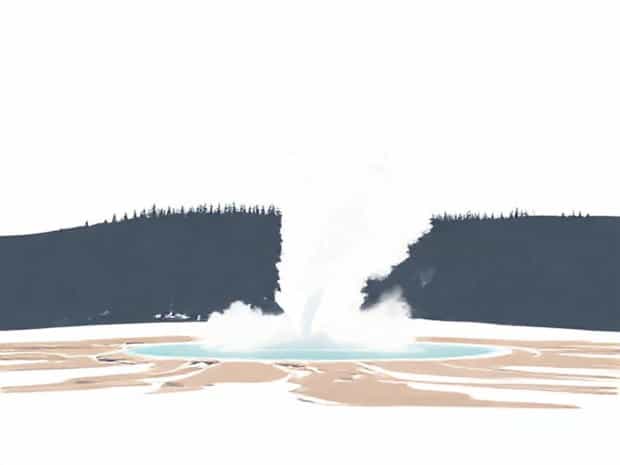
Famous Geyser In Yellowstone
Yellowstone National Park, located primarily in Wyoming, is home to one of the most remarkable geothermal areas in the world, featuring a wide array of hot springs, mudpots, fumaroles, and geysers. Among these geothermal wonders, the famous geysers stand out as spectacular natural attractions that draw millions of visitors every year. These geysers erupt periodically, shooting boiling water and steam high into the air, offering a dramatic display of nature’s power. Studying and visiting these geysers provides insight into volcanic activity, hydrothermal dynamics, and the unique ecosystems that thrive in extreme environments. Understanding the most famous geyser in Yellowstone and its characteristics enhances appreciation of this iconic natural landmark.
Introduction to Geysers in Yellowstone
Geysers are geothermal features that erupt intermittently, propelled by underground water heated by magma. Yellowstone sits atop a massive volcanic hotspot, which provides the heat necessary for geyser activity. The park contains over 500 active geysers, making it the largest concentration of geysers in the world. These eruptions are fueled by a combination of underground water, heat, and unique plumbing systems beneath the surface. While many geysers are smaller or less predictable, some have gained fame for their size, frequency, and reliability, becoming key highlights for visitors and researchers alike.
How Geysers Work
- Rainwater and snowmelt seep into underground reservoirs.
- Water comes into contact with hot rocks heated by magma chambers.
- Pressure builds as water reaches temperatures above its boiling point.
- Eventually, water and steam are expelled forcefully through vents in the surface.
- After eruption, the geyser gradually refills and reheats for the next eruption cycle.
Old Faithful Yellowstone’s Most Famous Geyser
Old Faithful is arguably the most famous geyser in Yellowstone National Park and one of the most well-known geysers in the world. It has gained international recognition due to its highly predictable eruptions and impressive display. First named by early explorers for its regularity, Old Faithful erupts approximately every 90 minutes, although the interval can vary depending on underground conditions. The height of the eruption ranges from 30 to 55 meters (100 to 180 feet), creating a breathtaking spectacle that attracts tourists from all over the globe.
Characteristics of Old Faithful
- Average eruption height 30-55 meters (100-180 feet).
- Duration typically 1.5 to 5 minutes.
- Frequency roughly every 60 to 110 minutes.
- Volume erupts thousands of gallons of boiling water each time.
- Reliable and predictable, earning its name Old Faithful.
Historical Significance
Old Faithful has been a key symbol of Yellowstone since the park’s establishment in 1872, the first national park in the world. Early visitors were fascinated by its regular eruptions and included detailed observations in expedition reports. The geyser became an emblem of the park’s geothermal wonders and helped promote Yellowstone as a destination for nature tourism. Over the years, scientists have studied Old Faithful to understand geothermal processes, including how underground water reservoirs and pressure influence eruption intervals and volume.
Other Notable Geysers in Yellowstone
While Old Faithful is the most famous, Yellowstone boasts several other geysers that are notable for their size, power, and visual appeal. These geysers demonstrate the diversity of geothermal activity in the park and contribute to its global significance as a geologically active area.
Steamboat Geyser
- The tallest geyser in the world, capable of eruptions exceeding 90 meters (300 feet).
- Eruption intervals are irregular, ranging from days to years.
- Produces massive water columns and impressive steam plumes.
- Named for the sound of escaping steam resembling a steamboat whistle.
Castle Geyser
- Known for its large cone formation, resembling a medieval castle.
- Eruptions occur approximately every 10 to 12 hours.
- Produces both water and a significant steam phase.
- Offers a striking visual and auditory experience for visitors.
Grand Geyser
- One of the largest predictable geysers in Yellowstone.
- Eruption height can reach 70 meters (230 feet).
- Occurs roughly every 7 to 15 hours, depending on underground conditions.
- Often accompanied by other smaller geysers in the Upper Geyser Basin.
Visiting Yellowstone Geysers
Observing geysers in Yellowstone is a highlight for visitors, offering a unique opportunity to witness natural geothermal forces. Boardwalks and viewing platforms allow safe access to geyser basins, protecting both visitors and delicate geothermal features. Park rangers provide educational programs, explaining the science behind eruptions, safety guidelines, and the importance of preserving these features. Predictable geysers like Old Faithful make it easier for visitors to plan their visits, while the irregular eruptions of Steamboat Geyser offer a sense of awe and unpredictability.
Tips for Visitors
- Check eruption predictions for reliable geysers like Old Faithful.
- Wear comfortable shoes and clothing suitable for walking on boardwalks and trails.
- Bring binoculars or cameras for observing distant geysers safely.
- Respect safety barriers and signage to avoid hazards from hot water and steam.
- Visit early in the morning or late afternoon to avoid crowds and enjoy optimal lighting for photography.
Scientific and Environmental Importance
Geysers like Old Faithful are not only tourist attractions but also important subjects for scientific study. Geologists, hydrologists, and ecologists study geysers to understand volcanic activity, geothermal dynamics, and ecological interactions. Geysers provide insight into underground water systems, mineral deposits, and heat flow from Earth’s interior. Monitoring geysers also helps detect changes in geothermal activity, which can be critical for understanding volcanic hazards and maintaining environmental balance in Yellowstone.
Research Applications
- Studying geothermal reservoirs and underground water movement.
- Monitoring mineral deposition and chemical changes in water.
- Understanding eruption patterns for prediction and hazard assessment.
- Exploring microbial ecosystems that thrive in extreme heat and acidity.
- Contributing to broader knowledge of volcanic and geothermal processes worldwide.
The famous geysers in Yellowstone, particularly Old Faithful, represent some of the most iconic natural wonders in the world. Their dramatic eruptions, striking formations, and ecological significance make them valuable for both tourism and scientific research. Observing geysers allows visitors to witness the raw power of geothermal activity, while studies of these features provide insights into volcanic systems and natural processes. From the predictable display of Old Faithful to the towering eruptions of Steamboat Geyser, Yellowstone’s geysers continue to inspire awe, education, and conservation efforts, cementing their status as a must-see feature of one of the world’s most celebrated national parks.