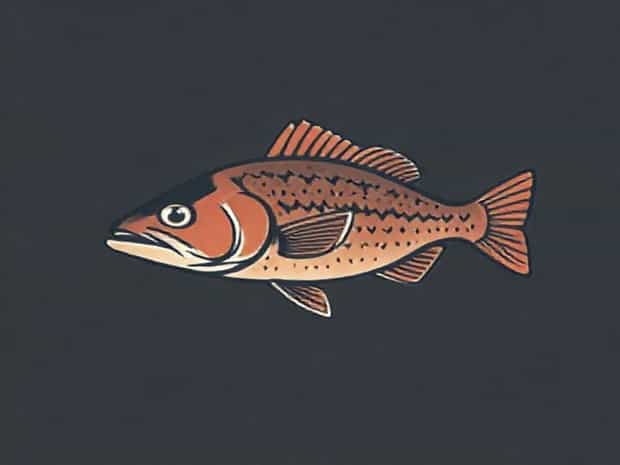
Fallfish Vs Creek Chub
The freshwater streams and rivers of North America are home to a variety of small fish species that are often mistaken for one another due to their similar appearances and habitats. Among these, the fallfish and the creek chub are two common species that anglers, biologists, and nature enthusiasts frequently encounter. Both species belong to the minnow family, Cyprinidae, and share overlapping ranges, but they exhibit notable differences in size, behavior, and ecological roles. Understanding these differences is essential for accurate identification, effective fishing strategies, and the study of freshwater ecosystems.
Overview of Fallfish
The fallfish, scientifically known asSemotilus corporalis, is one of the largest members of the minnow family in North America. Adult fallfish can reach lengths of up to 15 inches, though most are typically between 8 and 12 inches long. They are characterized by their robust, elongated bodies, olive-brown backs, and silvery sides. A distinguishing feature is the broad, forked tail and a large, slightly upturned mouth that facilitates their omnivorous feeding habits. Fallfish are known for their energetic swimming patterns and tendency to leap from the water when startled or during feeding.
Habitat and Distribution
Fallfish prefer cool, clear streams and rivers with moderate to fast flow. They often inhabit pools and runs near riffles, where oxygen levels are high and food is abundant. This species is widespread in eastern and central North America, ranging from the Hudson Bay basin down to the mid-Atlantic states. Fallfish are tolerant of varying water conditions but tend to avoid heavily polluted or excessively warm waters. Their presence often indicates a healthy freshwater ecosystem with good water quality.
Diet and Behavior
Fallfish are omnivorous, feeding on a mix of insects, small crustaceans, algae, and plant material. Juveniles tend to feed on zooplankton and aquatic invertebrates, while adults may shift to larger prey items, including small fish. They are active during the day and often seen swimming near the surface or midwater. Fallfish are also known for their schooling behavior, particularly when foraging, which provides protection from predators and enhances feeding efficiency. During the spawning season in spring, males develop bright orange fins and construct nests in shallow gravel areas, similar to other minnows, to attract females.
Overview of Creek Chub
The creek chub, orSemotilus atromaculatus, is another small freshwater fish that shares habitats with the fallfish but differs in several notable ways. Creek chubs are smaller, generally ranging from 4 to 8 inches in length, though some individuals may grow slightly larger. Their bodies are more slender, with a darker lateral stripe extending from the head to the tail. Creek chubs have a smaller, downward-facing mouth adapted for bottom-feeding. They are highly adaptable and can thrive in a variety of freshwater environments, from small brooks to larger rivers and even some man-made ponds.
Habitat and Distribution
Creek chubs are highly versatile in their habitat preferences. They inhabit shallow, slow-moving sections of streams and rivers but can also occupy deeper pools and quiet backwaters. Their distribution overlaps significantly with that of fallfish, extending throughout much of eastern North America. Creek chubs are particularly common in areas with abundant vegetation or woody debris, which provides cover from predators. Their adaptability allows them to survive in both pristine and moderately impacted waters.
Diet and Behavior
Creek chubs are omnivorous bottom feeders, consuming insects, larvae, small invertebrates, and detritus. They are opportunistic feeders, taking advantage of whatever food sources are available in their environment. Creek chubs are less aggressive than fallfish and typically remain near the substrate, although they may occasionally swim to midwater to feed. During spawning, males build gravel nests similar to fallfish, but these are often smaller and less conspicuous. Creek chubs are social fish, forming loose groups for feeding and protection, but they do not exhibit the strong schooling behavior observed in fallfish.
Key Differences Between Fallfish and Creek Chub
While fallfish and creek chub share many ecological similarities, several characteristics help differentiate them
- SizeFallfish are generally larger, often exceeding 10 inches, whereas creek chubs typically remain under 8 inches.
- Body ShapeFallfish have a more robust, elongated body with a broader tail, while creek chubs are slender with a distinct lateral stripe.
- Mouth PositionFallfish have a slightly upturned mouth suited for midwater feeding, while creek chubs have a downward-facing mouth for bottom feeding.
- BehaviorFallfish exhibit active schooling and surface feeding, whereas creek chubs tend to remain near the substrate and feed more cautiously.
- Habitat PreferenceFallfish prefer moderate to fast-flowing streams, while creek chubs are more versatile, occupying slow-moving and backwater areas.
Ecological Roles
Both species play important roles in freshwater ecosystems. Fallfish contribute to controlling insect populations and serve as prey for larger fish, birds, and other predators. Creek chubs help recycle nutrients by feeding on detritus and small invertebrates, supporting the food web in smaller streams. Both species also serve as indicators of water quality, with healthy populations often reflecting well-balanced aquatic environments. Understanding their roles helps biologists assess ecosystem health and manage freshwater habitats effectively.
Fishing and Angling Considerations
For anglers, distinguishing between fallfish and creek chub can impact fishing strategies. Fallfish are more aggressive and may strike larger lures, making them an exciting target for sport fishing. Creek chubs, being smaller and more bottom-oriented, are often used as bait for larger predatory fish like bass or trout. Knowledge of their feeding habits and habitat preferences improves the likelihood of success when targeting either species. Additionally, recognizing the differences helps prevent misidentification, which is crucial for conservation and maintaining sustainable fish populations.
Conservation Status
Neither fallfish nor creek chub is currently considered endangered or threatened. Both species are widespread and resilient, adapting well to a variety of freshwater habitats. However, habitat degradation, pollution, and the introduction of invasive species can negatively affect local populations. Protecting stream quality, maintaining natural vegetation, and avoiding excessive alteration of riverbanks help ensure that both fallfish and creek chub continue to thrive. Responsible angling practices also contribute to long-term population stability.
- Fallfish are larger, more robust, and feed actively in midwater, while creek chubs are smaller and bottom-feeding.
- Both species inhabit freshwater streams and rivers but prefer slightly different microhabitats.
- Fallfish exhibit schooling behavior and surface activity, whereas creek chubs are more solitary near the substrate.
- Both species are ecologically important, contributing to food webs and water quality indicators.
- Anglers can target fallfish for sport fishing and use creek chubs as bait for larger fish.
In summary, while fallfish and creek chub share similar habitats and belong to the same family, they are distinct species with unique characteristics. Fallfish stand out for their size, active midwater behavior, and schooling tendencies, whereas creek chubs are smaller, more bottom-oriented, and versatile in habitat preferences. Both species play valuable roles in freshwater ecosystems, supporting biodiversity and serving as indicators of environmental health. Understanding their differences enhances recreational fishing, ecological studies, and conservation efforts, ensuring that these important members of North America’s freshwater fish community are appreciated and managed effectively.