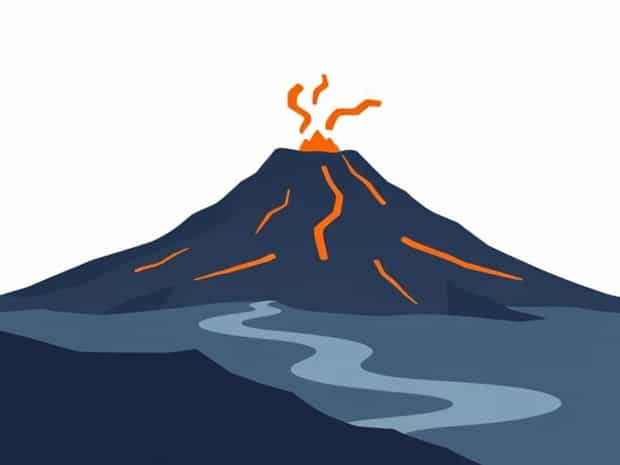
Facts About Volcanic Eruptions
Volcanic eruptions are among the most powerful and dramatic natural events on Earth, capturing human fascination for centuries. They occur when magma, gases, and other materials escape from beneath the Earth’s crust, creating spectacular displays of fire, smoke, and molten rock. These eruptions are not only visually striking but also have significant impacts on the environment, human life, and the planet’s climate. Understanding the facts about volcanic eruptions helps scientists predict their behavior, manage hazards, and study the geological forces shaping our world. Volcanoes can form in various regions, including subduction zones, rift valleys, and hotspots, each contributing to the diversity of eruption styles and consequences.
What Causes Volcanic Eruptions?
Volcanic eruptions are primarily caused by the movement of molten rock, known as magma, from the Earth’s interior to the surface. Magma rises due to differences in density between it and the surrounding solid rock. As it ascends, gases dissolved in the magma expand, increasing pressure within the magma chamber. When this pressure exceeds the strength of the overlying rock, an eruption occurs, expelling lava, ash, and volcanic gases. Tectonic activity, including the collision and separation of plates, plays a crucial role in where and how volcanoes erupt. For instance, subduction zones often produce explosive eruptions due to the high gas content in magma, while hotspot volcanoes may exhibit more fluid lava flows.
Types of Volcanic Eruptions
Volcanic eruptions can vary greatly in intensity and form, depending on magma composition, gas content, and tectonic settings. Some of the main types include
- Effusive eruptionsCharacterized by slow-moving lava flows, typically found in shield volcanoes like Mauna Loa in Hawaii.
- Explosive eruptionsHighly violent eruptions that release ash, pumice, and gas into the atmosphere, often occurring at stratovolcanoes such as Mount St. Helens.
- Phreatomagmatic eruptionsThese occur when magma interacts with water, producing steam explosions and fine ash, commonly seen in crater lakes or underwater volcanoes.
- Strombolian eruptionsModerate bursts of lava and gas, creating small lava fountains, named after Stromboli Volcano in Italy.
- Vulcanian eruptionsShort, violent explosions ejecting dense ash clouds and volcanic bombs, typical in arc volcanoes.
Interesting Facts About Volcanic Eruptions
Volcanic eruptions exhibit fascinating features and have widespread effects. One remarkable fact is that volcanic ash can travel thousands of kilometers, affecting air travel, agriculture, and even climate. For example, the 2010 eruption of Eyjafjallajökull in Iceland caused massive disruption to European air traffic. Another fact is that eruptions release gases like carbon dioxide, sulfur dioxide, and water vapor, which can influence weather patterns and contribute to temporary global cooling. Lava flows, although slower than explosions, can destroy infrastructure and alter landscapes for centuries.
Volcanic Hazards
Volcanoes pose numerous hazards to humans, animals, and the environment. These hazards include
- Lava flowsMolten rock can incinerate buildings, roads, and vegetation, posing direct threats to life and property.
- Pyroclastic flowsFast-moving clouds of hot gas, ash, and rock that can travel over 100 kilometers per hour, extremely dangerous to anyone in their path.
- Volcanic ashFine ptopics that can collapse roofs, damage machinery, contaminate water supplies, and disrupt transportation.
- LaharsVolcanic mudflows composed of water, ash, and debris that can bury communities downstream.
- Volcanic gasesHarmful emissions like carbon dioxide and sulfur dioxide can cause respiratory problems and environmental damage.
Notable Volcanic Eruptions in History
Throughout history, volcanic eruptions have shaped human civilization and the natural world. Some notable examples include
- Mount Vesuvius (79 AD)Its eruption buried the cities of Pompeii and Herculaneum under ash and pumice, preserving them for centuries.
- Mount Tambora (1815)Produced the Year Without a Summer due to massive sulfur emissions that lowered global temperatures.
- Mount St. Helens (1980)A catastrophic eruption in the United States that drastically altered the surrounding landscape.
- Krakatoa (1883)Generated a massive tsunami and ash clouds affecting climate and causing widespread devastation in Indonesia.
Volcanic Benefits
While eruptions are often destructive, they also provide benefits. Volcanic soil is highly fertile due to minerals released during eruptions, supporting agriculture in regions like Java, Indonesia, and parts of Italy. Additionally, volcanic regions are rich in geothermal energy, providing renewable energy sources for local communities. Lava flows can create new land, and volcanic landscapes attract tourism, supporting local economies. Volcanoes also play a crucial role in Earth’s carbon cycle and the formation of new geological features.
Volcanology Studying Eruptions
Volcanologists study volcanic eruptions to understand their causes, predict future activity, and mitigate hazards. Techniques include monitoring seismic activity, gas emissions, ground deformation, and thermal imaging. Early warning systems and evacuation plans are essential for saving lives in volcanic regions. Advances in technology, such as satellite imaging, have improved the ability to track ash plumes and lava flows, allowing authorities to respond more effectively.
How to Stay Safe During Volcanic Eruptions
Safety measures are vital in regions prone to volcanic eruptions. Recommendations include
- Staying informed through local authorities and monitoring systems.
- Having an emergency plan and evacuation route ready.
- Keeping emergency supplies such as masks, water, and food.
- Staying indoors during ashfall and avoiding low-lying areas prone to lahars.
- Following guidelines for long-term safety in areas affected by volcanic activity.
Volcanic eruptions are a powerful reminder of the dynamic forces shaping our planet. They provide awe-inspiring natural phenomena while posing significant risks to life and property. Understanding the facts about volcanic eruptions including their causes, types, hazards, and benefits helps communities prepare and adapt to these events. Historical eruptions demonstrate the global impacts of volcanic activity, from climate change to societal disruption. Meanwhile, ongoing research in volcanology continues to enhance prediction, mitigation, and safety measures. By studying and respecting the power of volcanoes, humans can live more safely alongside these incredible geological features, harness their benefits, and minimize the risks they pose to our environment and societies.
From molten lava flows to explosive pyroclastic events, volcanic eruptions are complex and varied natural events that shape both landscapes and human history. Awareness, preparedness, and scientific understanding are essential for managing the risks and appreciating the unique contributions volcanoes make to the Earth’s geological and ecological systems.